Being a vehicle owner means being responsible for a whole list of factors. One of the most important is keeping your vehicle registration current. More than just a document in your glove compartment or a sticker on your license plate, vehicle registration is official proof two crucial things:
Use eTags© to Quickly Complete Your DMV Service. Renewals, Title Transfers and More, All Online!
- That your car has been registered with the state’s DMV
- That it has been authorized to drive on public roads.
Despite its importance, it can be easy to miss a registration renewal deadline. Life circumstances like hectic schedules, mail piling up, moving house and just plain old forgetfulness can end up in folks letting their registration expire without even realizing it.
In this article, we’ll explore why keeping vehicle registration up to date is critical for every vehicle owner.
10 Reasons to Keep Your Registration Up to Date
-
Vehicle Registration Is Required by Law
One of the most obvious reasons to maintain current vehicle registration is that it is legally required in nearly all states.
When you buy a vehicle – from a dealership or a private seller – you must register it with your state’s motor vehicle agency if you plan to drive it. Registration creates an official record that connects the vehicle to its registered owner and authorizes it for operation it on public roads.
A typical registration process usually involves:
- Showing proof of vehicle ownership.
- Submitting a registration application.
- Paying any registration fees and taxes.
- Providing proof of local insurance if applicable.
- Passing any required inspections or emissions tests.
Once registration is complete, owners will be issued documentation and license plates. In some states, they will also receive registration decals or stickers.
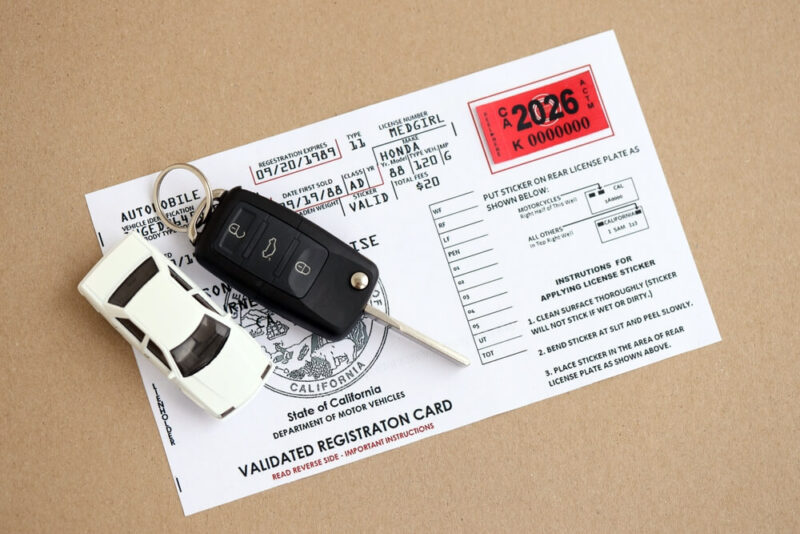
It’s important to note that registration requirements differ from state to state. Some territories require yearly renewal, while others have two-year or multiple years registration time frames. Renewal expiration dates, grace periods, fees, and documentation also vary.
For example, the state of Maryland offers one, two, and three-year registration periods, while Florida offers annual and biennial registration options for many vehicles.
-
Avoid Traffic Tickets and Unnecessary Penalties
Driving with expired registration can end up in citations, fines, extra administrative fees.
Remember that in many states, police officers are allowed to request registration information during a traffic stop or another enforcement relating to a vehicle. If you’re driving with expired registration, you may be issued a ticket even if you haven’t broken any other traffic laws.
Late registration renewals can also get pricey.
For example, there is no grace period for missed renewal deadlines in California. In fact, late penalties in the Golden State are based on how long payment has been overdue. The longer you wait, the higher the fees increase. Of course, policies, fees, and renewal processes are different depending on where you live.
It’s a smart idea to stay on top of your registration expiration date. Doing so helps you avoid:
- Citations.
- Late fees.
- Administrative costs.
- Lapses in legal driving time.
- Possible hurdles when renewing registration.
The best way to avoid any issues with registration renewal is to get the task done with ample time before your current cycle expires.
-
Ensure Your Vehicle is Road Legal
A driver’s license and insurance alone do not automatically make your vehicle legally authorized to drive. These two elements serve different purposes:
- Your driver’s license is your permission to operate a vehicle.
- Your insurance means financial protection in case of covered losses and liabilities.
Your vehicle registration, on the other hand, is proof that the vehicle itself is registered with state authorities. Meaning, driving with only a license and insurance does not make up for expired vehicle registration.

-
Keep Vehicle Ownership and Registration Records Accurate
Up to date vehicle registration means state agencies can maintain current records of cars operating within their jurisdictions.
Some of the important identifying information these records contain is:
- Vehicle identification number (VIN).
- License plate number.
- Registered owner information.
- Vehicle make, model, and year.
- Registration status and expiration date.
These details can be expecially essential when moving to a different state, transferring ownership, (selling, donating, gifting or buying a vehicle), replacing license plates, or updating personal information.
For instance, if you move to another state, chances are you’ll have to register your vehicle in the new territory within a specific time frame. Generally, holding onto your previous state’s registration will not meet your new state’s requirements.
Additionally, when selling, gifting, or donating a vehicle, having the necessary title and registration paperwork helps track the transfer of ownership clearly.
Clean, current vehicle records can help avoid administrative obstacles and make any vehicle-related transactions simpler.
-
Avoid Insurance and Registration Compliance Issues
In many states, vehicle registration and auto insurance go hand in hand.
Although the specific conditions vary, most states demand active, local, qualifying insurance coverage to register or renew registration.
Failing to provide proof of a current auto insurance policy can result in:
- Registration suspension
- Financial penalties
- Other administrative consequences
For example, Ohio requires vehicle owners sign a Proof of Financial Responsibility Statement before they can renew any expiring registration.
The same holds true in Florida: qualifying proof of insurance is necessary to secure initial or renewed registration.
It is critical to understand that registration and insurance are two separate, but related obligations. Renewing your registration does not renew your insurance coverage, and maintaining an active insurance policy does not renew your vehicle registration.
To avoid any issues, always be sure to keep both elements active and current.

-
Be Prepared for Traffic Stops and Other Vehicle Transactions
In many states, drivers are required to carry or be able to show proof of current registration when requested by a law enforcement officer.
Having your documents easily accessible can be useful for:
- Traffic stops and inspections.
- Replacing a lost, damaged, or stolen license plate.
- Replacing registration documents.
- Transferring vehicle ownership.
- Certain insurance or administrative tasks.
If your registration card has been lost, damaged, or stolen, you should request a replacement through your state motor vehicle agency or an authorized service provider as soon as possible.
It’s also a smart move to verify the information on your registration card when you get it. Wrong addresses, owner details, or vehicle information can lead to unwanted delays when engaging in future transactions. Review the info and contact the appropriate agency if any corrections are needed.
-
Make Moving and Ownership Transfer Simpler
When moving to a different state, most DMVs require new residents to obtain local vehicle registration soon after establishing residency. Because laws vary from state to state, the timeframe can depend on a number of factors. Be sure to check with your state’s motor vehicle agency to confirm the deadline and specifications for transferring out-of-state registration.
Bear in mind that you may also need to update your title, secure local insurance, complete vehicle inspections and/or emissions testing, as well as pay any applicable fees before registration can be issued.
By keeping your car’s registration documents current and organized prior to moving, these transitions naturally roll out more smoothly.
Pro tip: Research the DMV requirements in your new location before you move. It’s best to not assume that your previous registration will satisfy the rules of your new state.

-
Avoid Obstacles When Selling or Buying a Used Car
Vehicle registration is extremely important when purchasing or selling a used car.
While the certificate of title is the main form of proof for establishing legal ownership, registration documents matter in terms of clarifying the vehicle’s registration status and connecting it to official state records.
When buying a car, checking registration and title details can help you spot any potential paperwork issues before going proceeding with a transaction.
When selling a car, it’s important to complete the necessary transfer paperwork, as it helps show that a vehicle has changed ownership.
It’s important to note that registration and title documents are not interchangeable: a registration card does not establish ownership the way that a title does. Both are required during a transfer of ownership. Therefore, keeping both elements up to date and accessible means that buying and selling a vehicle can be more straightforward.
-
Registration Renewals Mean Meeting State Requirements
Renewing your registration is not just about the paperwork. It’s also a chance to be sure your car meets any relevant requirements. Depending on your state of residence, a renewal may mean more than just paying a fee.
Before a renewal can be completed, some states require:
- Emissions testing
- Safety inspections
- Proof of insurance
- Resolution of outstanding administrative issues
For example, the California DMV may require certain vehicles to pass a smog check before renewal is permitted.
Of course, these requirements vary by territory and are subject to change, so it’s a good idea to check your state’s current guidelines before commencing the renewal process.
-
Registration Renewal is Easier Online
Probably one of the most common reasons for postponing a registration renewal is the hassle of in-person DMV transactions.
Luckily, many states across the U.S. now offer the option to renew online. This means that eligible persons can complete the task without the appointments, lines, and wait time of visiting a DMV branch.
Online registration services amplify convenience and allow vehicle owners to:
- Submit renewal applications electronically.
- Pay registration fees online.
- Review transaction details.
- Receive email and text updates about their order.
- Obtain registration documents or replacement items, depending on the service and state.
At eTags, we’re proud to offer vehicle registration renewals online in the following states:
Click any of the state links to proceed directly to our registration renewal pages. And when you renew with eTags, we will send you timely reminders before your registration expires, so you never need to worry about missing a deadline again!
Keep in mind that eTags also provides many other services such as replacement plates and stickers/decals, duplicate titles, title and registration transfers, specialty plates, and more. Visit our eTags homepage to explore how we can help make your vehicle transactions simpler.

Tips for Keeping Your Vehicle Registration Current
Staying on top of vehicle registration doesn’t have to stress you out. A few easy habits can mean meeting deadlines on time and avoiding unnecessary expenses.
Consider these practical tips:
- Know Your Expiration Date
Check your registration card (and license plate decal, if applicable) to see when your current registration expires. Some states use a particular expiration date, not just the month displayed on your plate.
- Set Renewal Reminders
Put your registration expiration date on your calendar with enough time allotted beforehand to complete any required paperwork or inspections.
- Keep Your Address Current
Ensure that your local DMV has your current mailing address so you don’t miss any critical renewal notices or other vehicle-related correspondence.
- Get Your Inspections Early
If your vehicle needs emissions testing or inspection before renewal, schedule those appointments well before your registration expires.
- Keep Your Registration Documents Accessible
Make it easy to reach for your registration while in your car. Use the glovebox, console, or other secure area to store important documents.
- Use a Reliable Renewal Resource
Consider using eTags (or your state’s official DMV website) to simplify your renewal process online.
- Remember All Your Vehicles
Don’t forget motorcycles, trailers, RVs or other cars. Registration expirations can vary from one vehicle types to another.
Why Keeping Vehicle Registration Current Matters
Current, valid registration helps keep your vehicle legally authorized for use on public roads, maintains accurate state records, and helps avoid unwanted citations, late fees, and administrative hurdles.
Remember, if you’re an eligible vehicle owner in California, Connecticut, Florida, Maryland, or New York, you can access eTags’ convenient online registration renewal and other title and tag services quickly and easily online. And if at any point you need assistance, don’t hesitate to reach out to us. Because as always, at eTags, we’re here to help!