It’s a fact no one can refute: driving an automobile requires attention, awareness, and the ability to make quick, safe decisions. Nevertheless, life these days presents a whole host of distractions behind the wheel. But not to despair – most hindrances can be overcome by changing a few habits. In this handy eTags article, we’ll list the different types of driving distractions and go over the best ways how to avoid them. Ready to experience a smoother, more focused ride? Lets go…
Use eTags© to Quickly Complete Your DMV Service. Renewals, Title Transfers and More, All Online!
What Is a Driving Distraction?
A driving distraction is anything at all that removes your attention from operating a vehicle. Distractions can impact your vision/sight, hands/tactility, mind/concentration, or a combination of all of these. Learning to recognize these impediments is the first key factor in cultivating safer driving habits.
-
Visual Distractions
Visual distractions happen any time your eyes stray from the road.
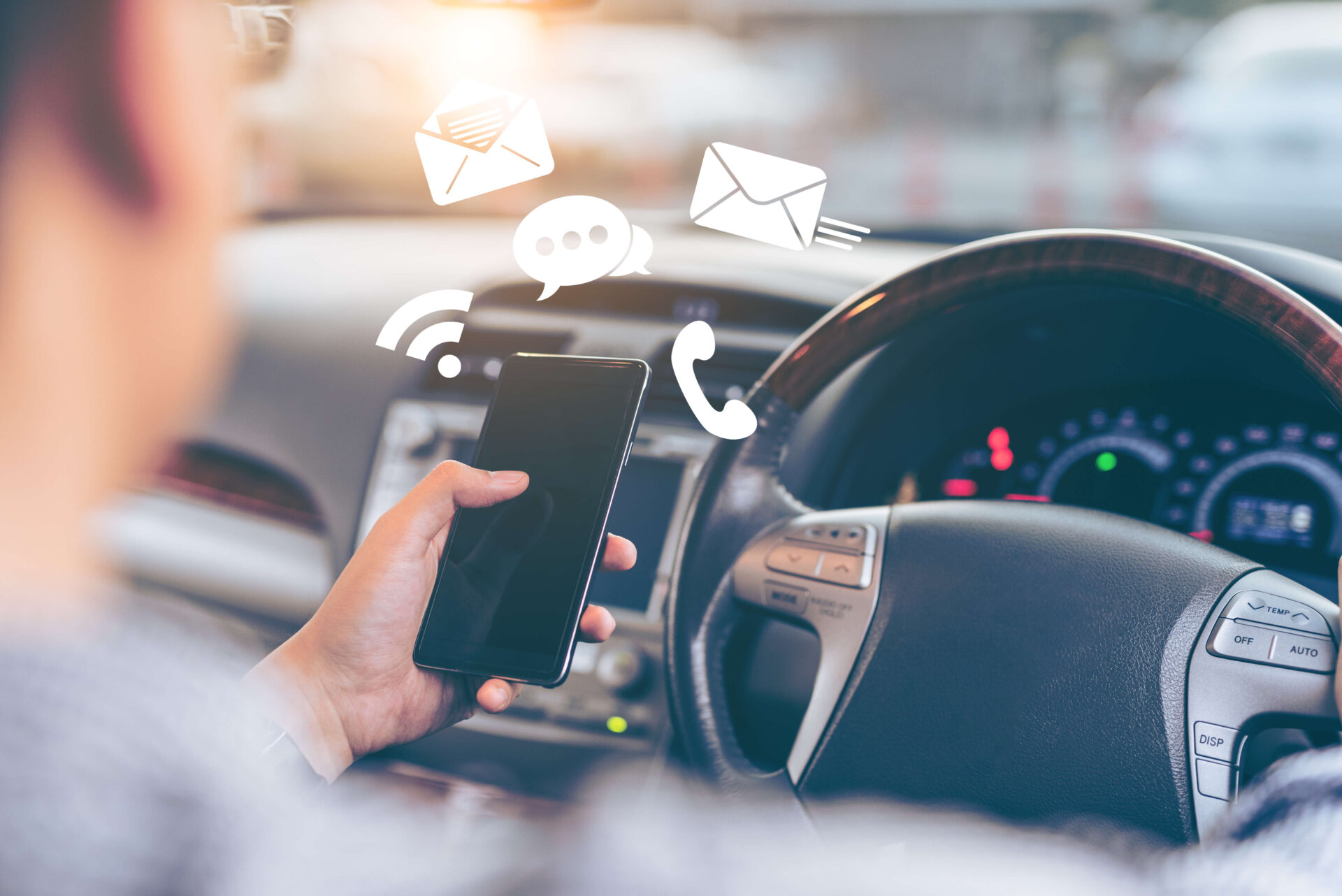
Examples of visual interferences include:
- Reading any kind of message on your phone or dash infotainment panel
- Studying a map or GPS for too long
- Checking social media notifications
- Turning to look at passengers
- Staring at roadside occurrences or billboards
How to Mitigate Visual Distractions
- Arrange navigation before beginning your trip and set it to speak directions aloud
- Avoid using or looking at your phone while driving.
- Use voice-guided assistance whenever possible.
- Pull over if you need to take a call or look at a message.
-
Manual Distractions
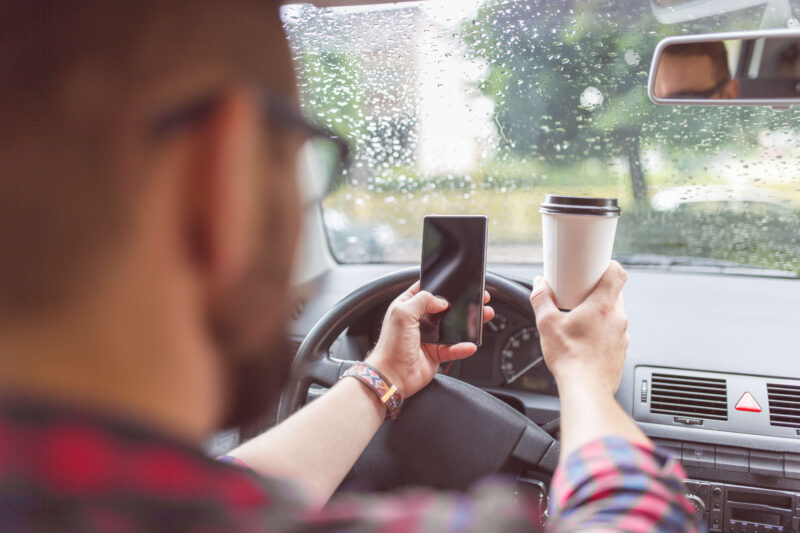
A manual distraction is any time your hands leave the steering wheel.
This can mean:
- Eating or drinking
- Fiddling with vehicle controls
- Reaching for something
- Holding a mobile phone
- Putting on makeup or grooming

How to Stay Away from Manual Distractions
- Set mirrors, temperature, and music before beginning a trip.
- Keep items you might need in easy-to-access spots for when you’re parked.
- Eat before or after driving.
- Always opt for hands-free features when available.
-
Cognitive Distractions
A cognitive distraction is when your mind is not fully present on driving.
This could look like:
- Daydreaming
- Experiencing stress
- Having an intense conversation
- Worrying or planning
- Feeling tired

How to Prevent Cognitive Distractions
- Take some time to ease your mind before getting in the car.
- Save the intense conversations for a different time.
- Make a list of tasks to reduce mental overwhelm.
- Rest well before long trips.
-
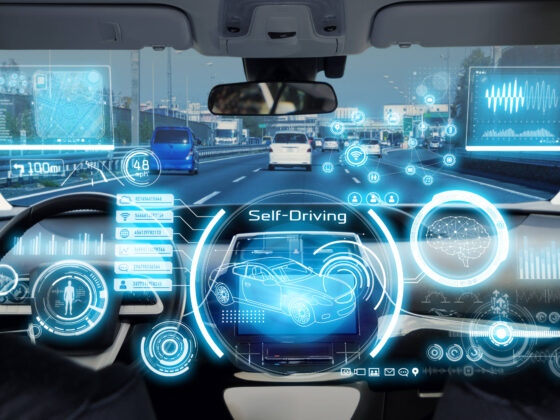
Technology-Related Distractions
While much vehicle technology is created for driver convenience, it can also lead to distraction.
Common examples include:
- Touchscreen infotainment systems
- Mobile apps
- Smartwatch notifications
- In-car entertainment

How to Steer Clear of Technology Distractions
- Set your phone to “Do Not Disturb While Driving”
- Get to know your vehicle’s technology before driving
- Use voice commands whenever possible
- Keep infotainment interaction to a minimum while the vehicle is moving.
Habits That Make for Safer Driving
Avoiding the trap of driving distractions doesn’t mean you have to make massive changes. Little tweaks to your routine can make a notable impact on your level of focus on the road.
Helpful habits to consider:
- Know your route ahead of time
- Keep your vehicle clean and organized
- Put your phone on silent/driving mode
- Take breaks and rest during long drives
- Stay alert and aware during every trip
Final Thoughts
While driving distractions are a daily part of life, they don’t have to detract from or impair an enjoyable driving experience. Getting to know the visual, manual, cognitive, and technology-related hurdles can help you make better choices behind the wheel. A little preparation, awareness, and focus makes every journey safer, more comfortable, and efficient.