
Advanced Driver-Assistance Systems (ADAS) are leading driving into the future. Technologies like automatic braking and lane-keeping assist these are helping make cars smarter, safer, and simpler to drive. In this article, we’ll talk about how ADAS is transforming the experience of driving and what these systems mean for the days and years ahead.
Use eTags© to Quickly Complete Your DMV Service. Renewals, Title Transfers and More, All Online!
What Is ADAS?
ADAS generally indicates to a group of technologies purpose-made to ensure vehicle safety by via accident avoidance. These safety systems combine radar with sensors, and cameras to keep an eye on the road and help drivers with actions like braking, steering, and accelerating.
ADAS elements often found in vehicles include:
- Automatic Emergency Braking
- Lane Departure Warning
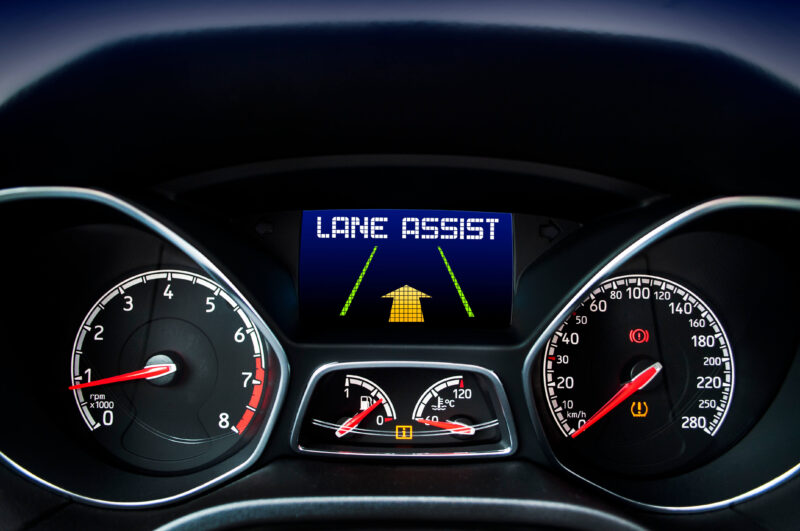
- Lane-Keeping Assist
- Adaptive Cruise Control
- Blind-Spot Monitoring
It’s important to note that these features are designed to support the driver, rather than replace human skill, reactivity, and intuition. The goal of ADAS is to supply real-time notifications and move into preventive action if necessary. Meaning, ADAS is used to lower the chances of accidents resulting from human error.
How ADAS is Improving Road Safety
ADAS was created to make driving safer. Because most car accidents are caused by human error – be it distracted driving, underestimating a turn, or responding too late, ADAS technology heps mitigates the possibility of these mistakes by acting as an extra element of protection.
For instance:
- Automatic Emergency Braking: able to detect obstacles in front of the vehicle and will apply the brakes if it senses that a collision is about to happen.
- Lane-keeping Assist: this technology works to prevent drivers from unintentionally drifting out of their lane.
When systems like these are present, ADAS-ready cars, trucks, and SUVs are less apt to end up in accidents. This is particularly true for rear-end fender benders or side-swipe events.
How ADAS is Reducing Driver Fatigue
Long-haul trips and the gas-brake monotony of heavy traffic can be both physically and mentally exhausting. Enabling features like Adaptive Cruise Control and Traffic Jam Assist can help share the burden of these kinds of drives. Here’s how:
- Adaptive Cruise Control: automatically adjusts the speed of the vehicle and maintains a safe distance from the car in front. It also decreases the need to constantly brake and accelerate, which makes highway driving a lot smoother.
- Traffic Jam Assist: helps navigate through challenging traffic. The system can help adapt both speed and steering, allowing drivers to go hands-off on the wheel for short periods of time.
It’s important to remember that while these features do remove some stress from driving, ADAS should not be seen as a substitute for full alertness at the wheel. Always stay aware and ready, particularly in difficult driving climates.

Getting to Know ADAS
ADAS systems are created to be user-friendly. But, like all technology, they do need some getting used to. Many drivers initially can feel overwhelmed or annoyed by alerts like lane departure warnings or automatic steering interventions. That said, these features are built to react immediately, especially in times when a driver’s own reflexes might not be quick enough.
In order to fully benefit from ADAS, it’s a good move to learn about how each system works and then go about using them as they were meant to be used. Getting to know your car’s ADAS technologies and limitations can also help you steer clear of over-depending on them.
How to Maintain ADAS
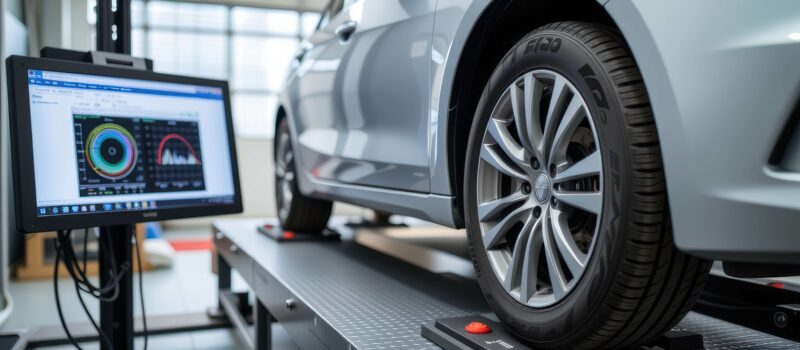
When it comes to ADAS, maintenance means calibration. For effective system function, it’s essential that the vehicle’s sensors and cameras are properly calibrated. Anything from a minor accident to a windshield replacement, or even some small repairs can impact the alignment of these components. The next time your car is in the shop, ask if ADAS calibration is needed.
Final Thoughts
Properly calibrated and used Advanced Driver-Assistance Systems can make our roads safer and our driving less stressful. For seasoned drivers and new car buyers alike, understanding ADAS technology is an integral part of making informed decisions about your next ride. As ADAS technology continues to advance, we can look forward to even more safety features and higher percentages of automation unfolding.