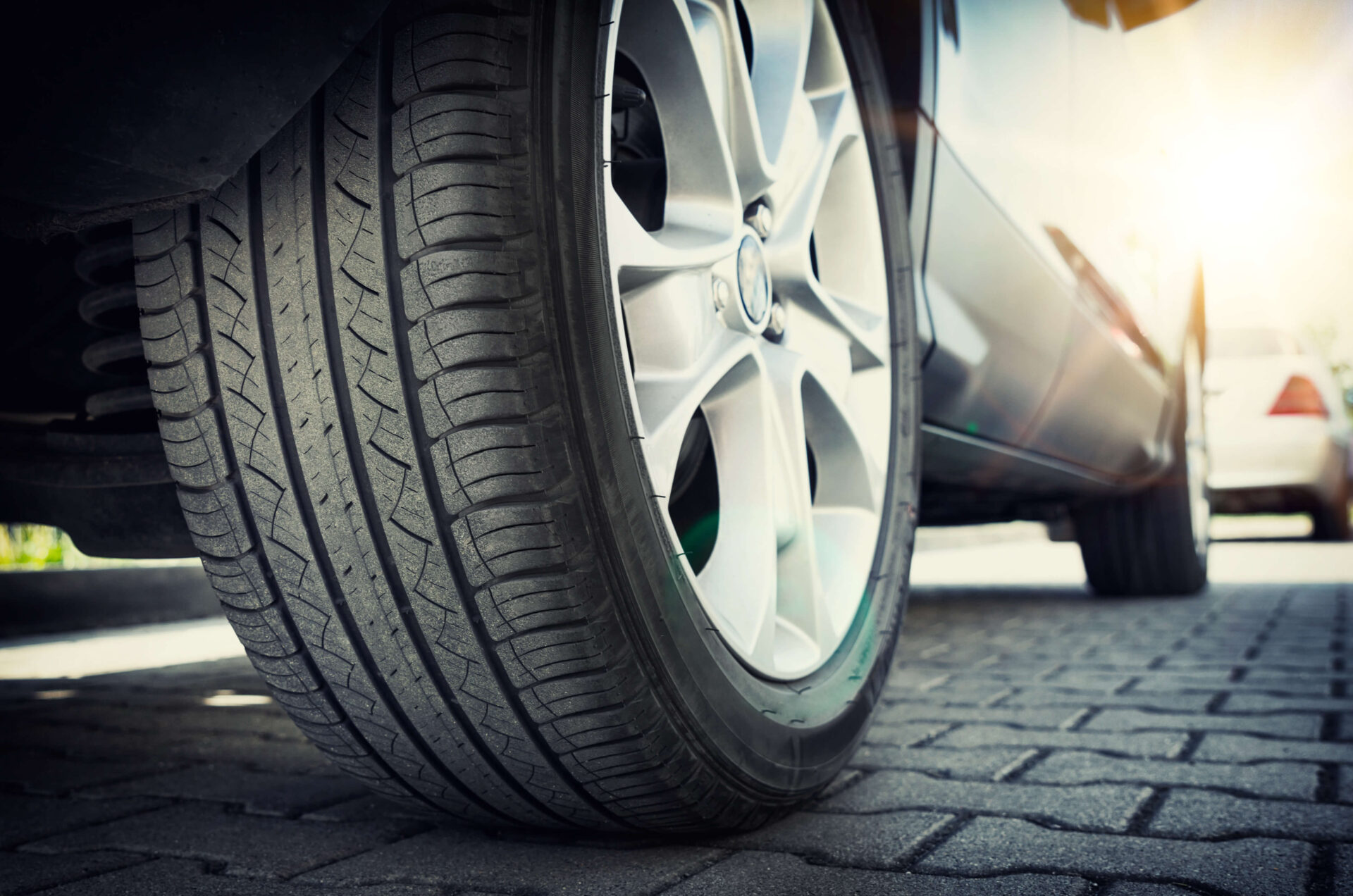
In the world of automotive maintenance and parts, getting the right tires for your car is one of the most significant choices you will make. Tires mean a lot more than just aesthetics or brand; the right tires allow for a host of things such as safety, performance, and efficiency. Think about it this way: tires are the only part of a vehicle that actually come into contact with the road. They are your literal connection to the ground, the bridge between your car and the path before you; of course tires are a crucial element.
Use eTags© to Quickly Complete Your DMV Service. Renewals, Title Transfers and More, All Online!
What are Tire Specifications?
First things first. When choosing the right tire, it’s necessary to understand the appropriate size recommended for your car, truck, or SUV. This information can usually be found in the owner’s manual or on the driver-side door panel. You’ll notice that tire size comes in a series of numbers like 215 55 R17. And rather than being random, these have meaning, they tell a story. For example:
- 215: This is the tire’s width in millimeters.
- 55: This is the aspect ratio, meaning, the height of the sidewall as a percentage of the width.
- R17: This is indicative of the radial construction and a 17-inch rim diameter.
Getting the right sizing is extremely important when it comes to maintaining vehicle stability, optimal braking, and fuel efficiency. Tires that haven’t been sized correctly can negatively affect performance, hinder safety systems like ABS, and even compromise electronic controls such as tire pressure monitoring systems.
How to Choose Tires for Driving Conditions
Your choice of tires is (and should be) greatly informed by two key elements in your daily life, commute, and travel habits:
- Your local environment
- Typical driving conditions
For example:
- Summer Tires: These tires work best in warm climates for their superior grip and responsiveness.
- Winter Tires: For cold, icy, or wet roads, winter tires offer enhanced traction.
- All-Season Tires: This choice is more versatile, working in moderate climates with a balanced performance in several types of roads and conditions.
You will also want to think about your personal driving style, of course. Drivers with sporty vehicles and love for speed could benefit from tires made specifically for performance – ones that emphasize cornering grip. On the other hand, folks for whom comfort is top of the list might love tires made to reduce road noise and vibration.
The Right Tires for the Vehicle
This may seem obvious, but if you own a BMW, for example, you choice of tire becomes even more significant. BMWs are manufactured for precision, often coming with run-flat tires. These are tires that allow for short-distance driving after a puncture, thanks to reinforced sidewalls. It’s incredibly important to get familiar with what’s compatible with both the suspension and electronics of your vehicle by using tires that are manufacturer-approved.
Safety and Maintenance
These days, tires come with labels rating their performance in terms of wet grip, fuel efficiency, and noise levels. Making these ratings a priority can help ensure more efficient braking and general safer driving, especially in inclement weather.
And as with all parts, maintenance if tires should not be overlooked. Here are a few things to check regularly:
- Tire pressure
- Rotation
- Tread depth
These check-ups are are simple, and can greatly increase tire lifespan along with extended performance. Many vehicles come with real-time alerts that keep track of tire health – pay attention to those little reminders!
Tires are the legs of your car, choose smartly, keep them in good condition, and you’ll be driving smoothly. And whatever set of tires you choose, remember that for all your title and tag needs, you’ve rolled up to the right place. Head on over to eTags.com and let us assist you with title transfers, duplicates, replacements, registration renewals, Specialty Plates, and more. Because as always, at eTags, we’re here to help!