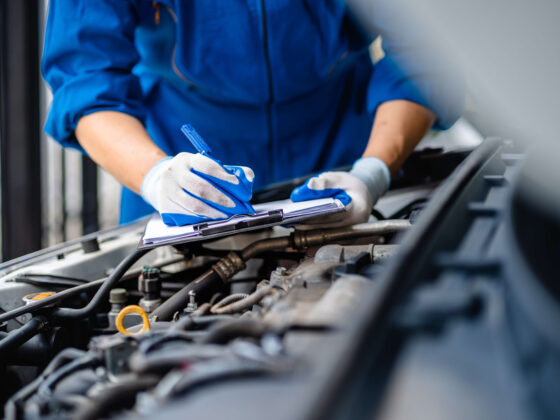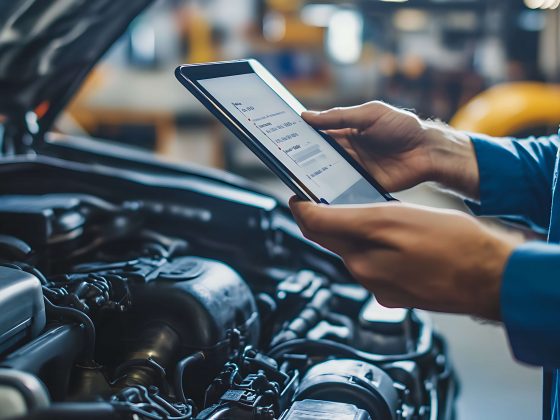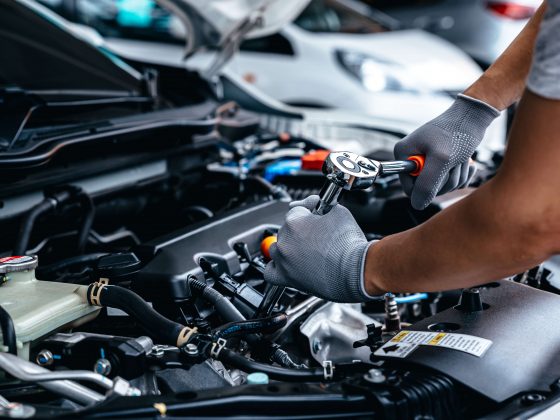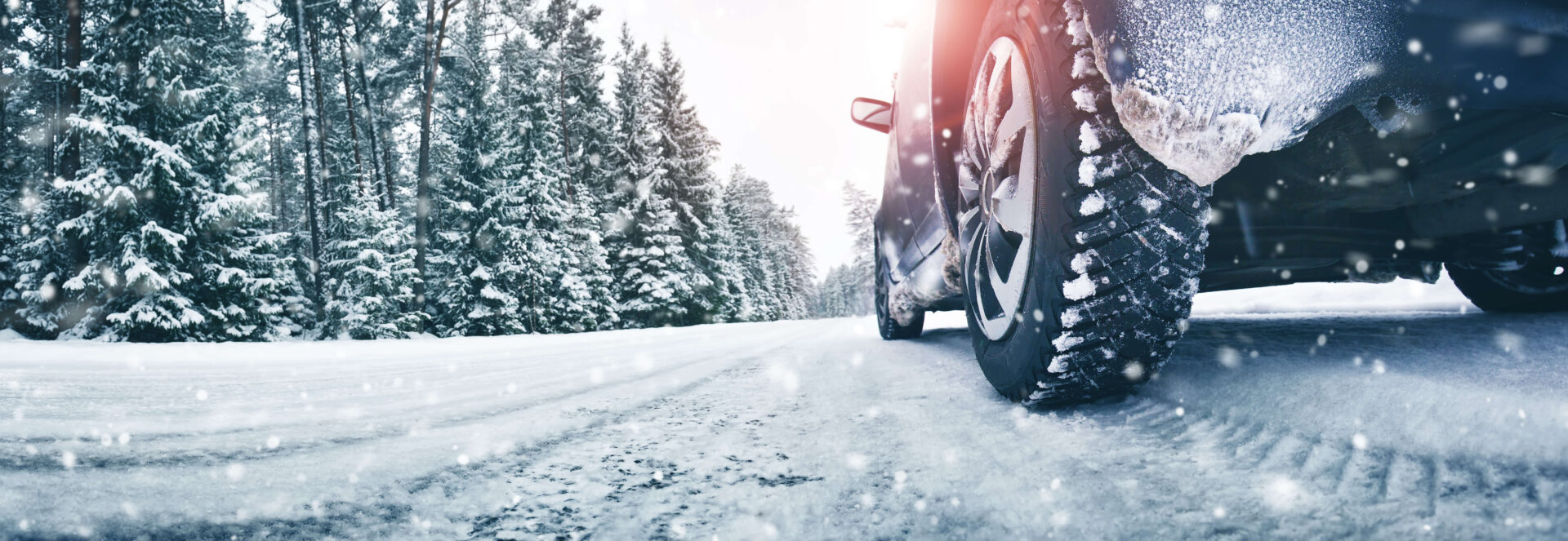
Well, folks, if it hasn’t frosted or snowed where you are yet, there’s a good chance that this sort of weather is fast approaching. Especially for our friends in the northern parts of the country. And as the cold approaches, it’s a smart idea to winterize your car for the harsh conditions on their way. Not only does this make life a bit easier over the next few months, but a winter-ready car is super important for both safety and performance. A prepared vehicle can help prevent unexpected emergencies like breakdowns as well as ensure that your ride is capable of navigating snow, ice, and freezing temperatures.
Use eTags© to Quickly Complete Your DMV Service. Renewals, Title Transfers and More, All Online!
So without further ado, here’s how to winterize your car:
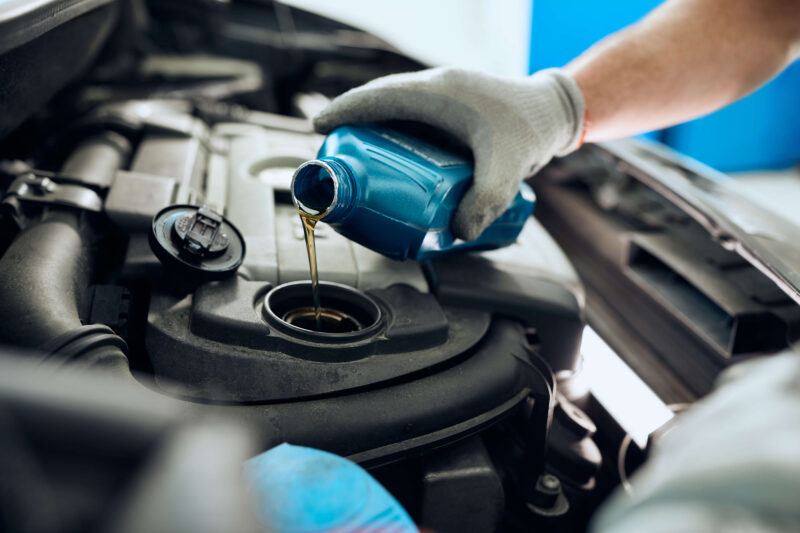
Check and Replace Fluids
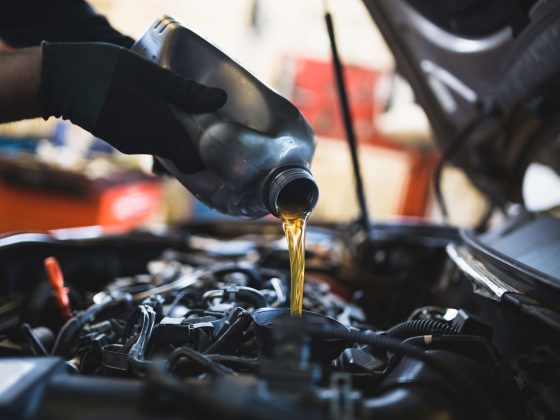
- Engine Oil: Because cold temperatures can thicken oil and make it challenging for your engine to run smoothly, go for oil that’s made with the right viscosity for cold weather. Check your user manual or ask your mechanic for recommendations.
- Antifreeze/Coolant: It’s a good idea to make sure that your car has a 50/50 mix of antifreeze and water. This helps avoid both freezing and overheating.
- Windshield Washer Fluid: Choose a washer fluid that’s specific to low temperatures – this will help prevent it from freezing and leave you with proper visibility.

Inspect the Battery
Cold temperatures can have the effect of reducing your battery’s power. Get your battery tested to ascertain whether it holds a charge properly. You’ll also want to check for corrosion on the terminals, and possibly even go for a replacement it if it’s in the range of three to five years old.
Examine Tires and Pressure
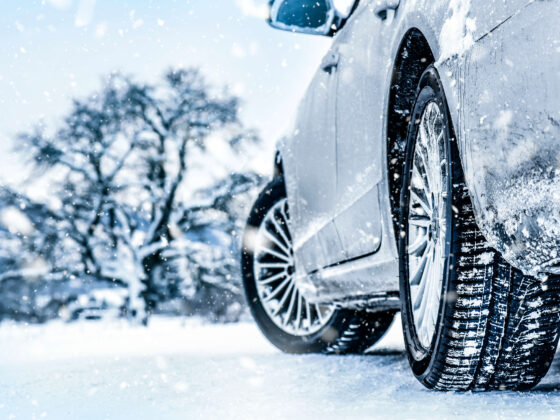
- Tread Depth: Here you want to be sure that your tires have enough tread to grip onto icy or snowy roads. If you live in a very snowy climate, you may want to consider switching to winter tires for better traction.
- Tire Pressure: Cold weather decreases tire pressure, so be sure to check and fill your tires to the recommended levels.
Test the Heat and Defroster
This is a must. Properly functioning car heaters and defrosters are absolutely necessary for both maintaining visibility and keeping warm during those frigid months.
Replace Wiper Blades
Winter wiper blades are specially designed to work with snow and ice, making blustery journeys much safer and easier. 
Check Lights and Signals
With shorter days, longer nights, and reduced visibility, it’s smart to inspect your lights – both exterior. Consider cleaning bulb covers, and even replacing bulbs if necessary.
Protect Door Locks and Seals
To help avoid frozen door locks, you can lubricate them and treat rubber seals with silicone spray.
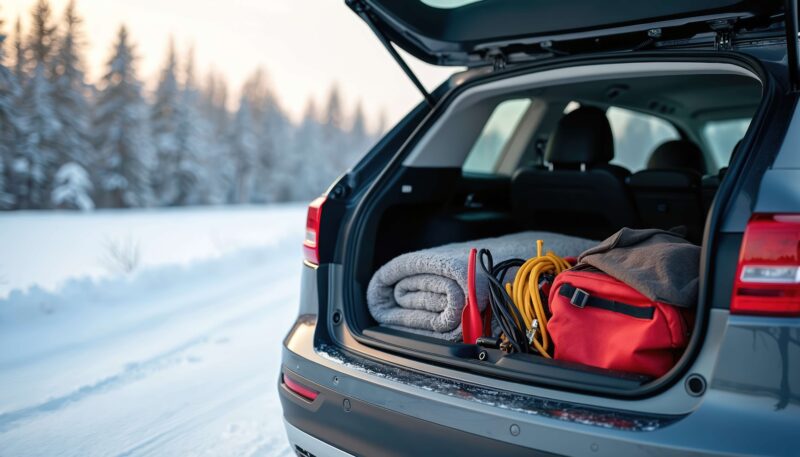
Put Together an Emergency Kit:
- Blankets
- Water
- Extra sweaters and socks
- Ice scraper and snow brush
- Jumper cables
- Flashlight and extra batteries
- First-aid kit
- Sand to help with traction
- Basic tools
- Spare phone battery
Keep a Full Tank
In general, it’s a good practice to maintain your gas levels at least half full. This helps prevent fuel lines from freezing and of course ensure that you’ve got enough fuel in case of the unexpected.
For a list of winter driving tips, take a peek at the National Highway Traffic Safety Administration’s recommendations here.
There you have it, friends: how to winterize your car and keep it running safely and smoothly! And remember, for all your title and tag needs, head over to eTags.com where we’re ready to lend a hand with transfers, replacements, duplicates, renewals, and more. Because as always, at eTags, we’re here to help!