As the season begins to change, it’s time to start turning attention to fall car maintenance. Cooler days, more rainfall, fewer hours of sunlight, and changing road conditions can all interact with your vehicle. Taking a little time to get your car prepared for autumn can mean enhanced safety, more reliability, and better performance throughout the season.
Use eTags© to Quickly Complete Your DMV Service. Renewals, Title Transfers and More, All Online!
In this article, we’ll review a simple fall vehicle maintenance checklist that can go a long way in helping get your vehicle ready for the months ahead.
How to Get Your Vehicle Ready for Autumn
Check Your Tires
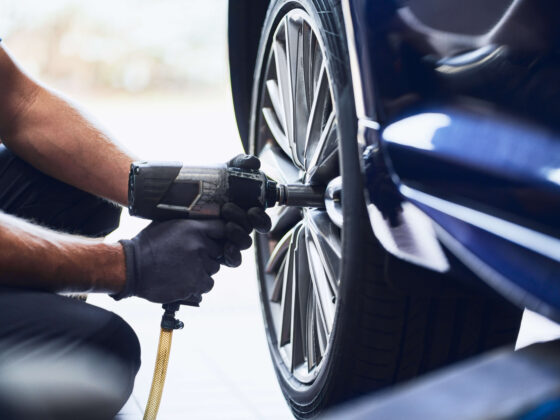
Tires are crucial for maintaining traction on the road, especially in wet conditions or as temperatures begin to get colder.
To start your autumn car care routine, inspect:
- Tire pressure – if necessary, adjust it to meet manufacturer’s recommendations.
- Tread depth – check for uneven wear.
- Tire surface – look for cracks, bulges, cuts, or other visible damage.
- Your spare tire – confirm that it’s properly inflated and ready for use.
Cooler weather can mean drops in tire pressure, so checking your tires regularly is a smart element of seasonal vehicle maintenance.
Test Your Battery
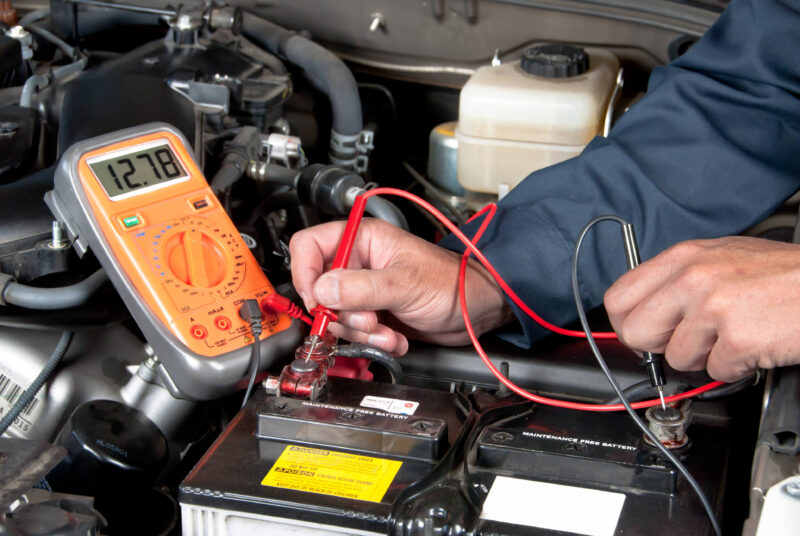
Dropping temperatures can also affect your battery. Before the season totally changes, check your battery and its connections for any corrosion and be sure they are clean and secure.
If your battery is older than three years, it is recommended to get it tested professionally. Changing out a weak battery before winter can help avoid an unexpected breakdown.
Examine Your Wipers and Lights
Fall often brings rain, fog, and less daylight. And you can’t drive safely without proper visibility.
If your windshield wipers leave streaks, make skip across the glass, or indicates any cracking, replace them. Make sure your washer fluid level is healthy as well.
Remember to test your:
- Headlights
- Brake lights
- Turn signals
- Hazard lights
- Parking lights
Properly operating lights mean being able to see the road as well allow your vehicle to be more visible to other vehicles and pedestrians.
Check Your Fluids
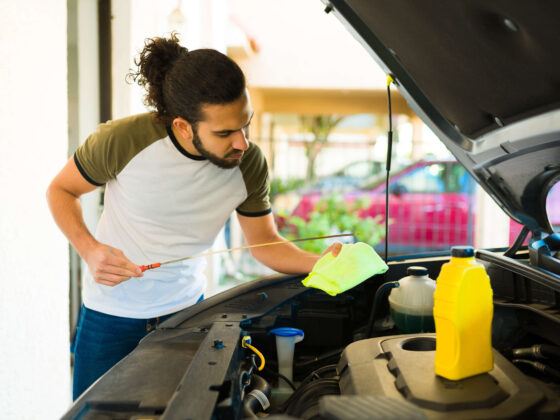
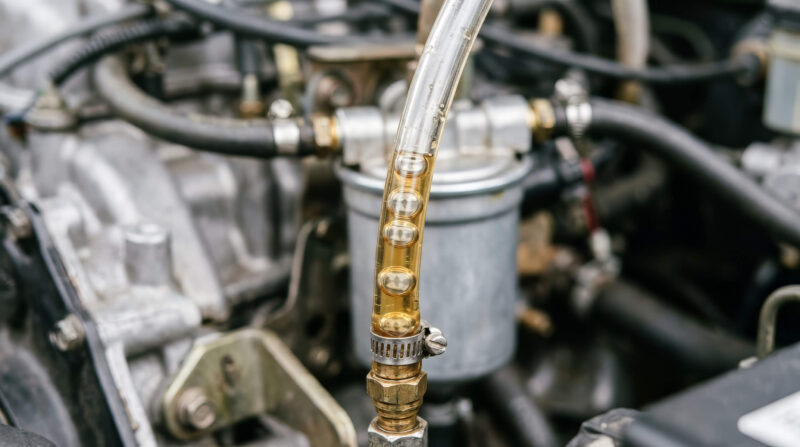
While things like oil changes usually have a set schedule, adding and essential fluids check to your fall checklist is a great idea. Take a peek at engine oil, coolant, brake fluid, transmission fluid, and windshield washer fluid.
As the weather begins to change, it’s important to pay attention to the coolant level and condition. If you see any leakage or notice that a fluid level repeatedly drops, bring your car into a mechanic to have it inspected by a professional.
Build an Emergency Kit
Getting your vehicle all set for autumn also means being prepared for unexpected circumstances. Consider adding an emergency kit to your vehicle that has:
- A flashlight
- Jumper cables or a portable jump starter
- First-aid supplies
- Blankets
- Water
- Snacks
- A phone charger
- Reflective equipment
You can always adjust these emergency supplies according to your local climate and driving conditions.
Make Fall Car Maintenance a Priority
Rather than wait for the first chilly morning to find out that your vehicle needs care, schedule your fall vehicle inspection ahead of time and get your car ready for the season ahead. Autumn is a great time to see to regular maintenance before the frost weather arrives. A professional inspection can help point out aging components or potential issues before they turn into more expensive repairs.
A little preventative maintenance means you can enjoy a better experience on the road while keeping your vehicle and its passengers safe throughout the season.