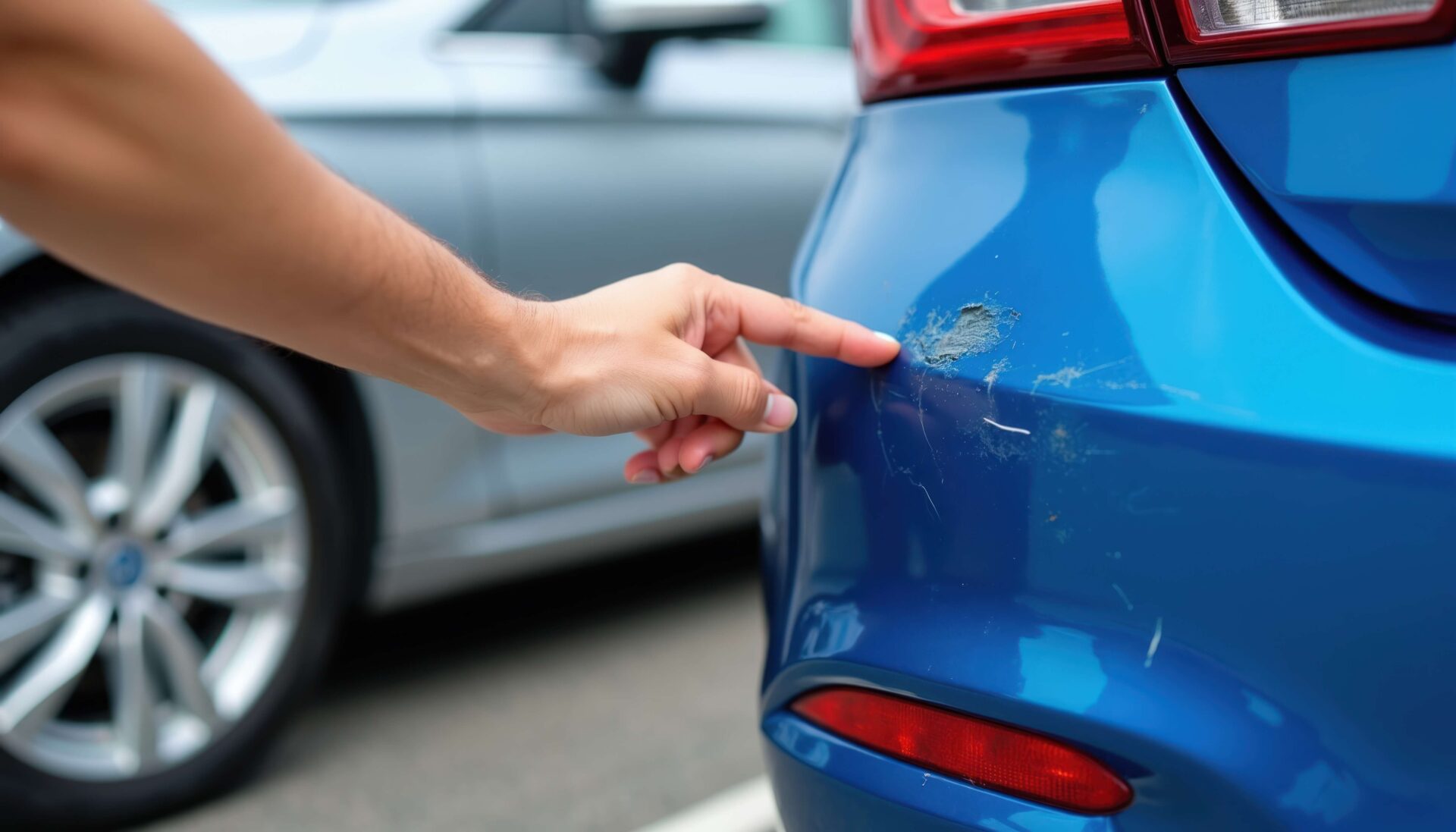
Just because your car has sustained a few minor scratches or dents doesn’t mean you have to spend a fortune on repairs. While it’s true that deep dents and significant paint damage ought to be fixed by professionals, lots of minor dings and scratches can be seen to at home with a few key tools and techniques. If you’re searching for easy, accessible ways to repair your vehicle’s exterior, the DIY approach can help save both time and money.
Use eTags© to Quickly Complete Your DMV Service. Renewals, Title Transfers and More, All Online!
Top Four DIY Tricks to Fix Minor Car Dings and Scratches
- Paintless Dent Repair Kit
Little dings and shallow dents can often benefit from a paintless dent repair (PDR) kit. These kits contain suction cups or glue tabs that gently coax minor dents back into shape without the risk of paint damage.
Perks of PDRs:
- Safe for your vehicle’s original paint.
- More cost efficient than professional repairs.
- Ideal for smooth, shallow dents.
Smart Tip: Be sure to clean the area well prior to using the kit. Follow the manufacturer’s instructions carefully for the top results. 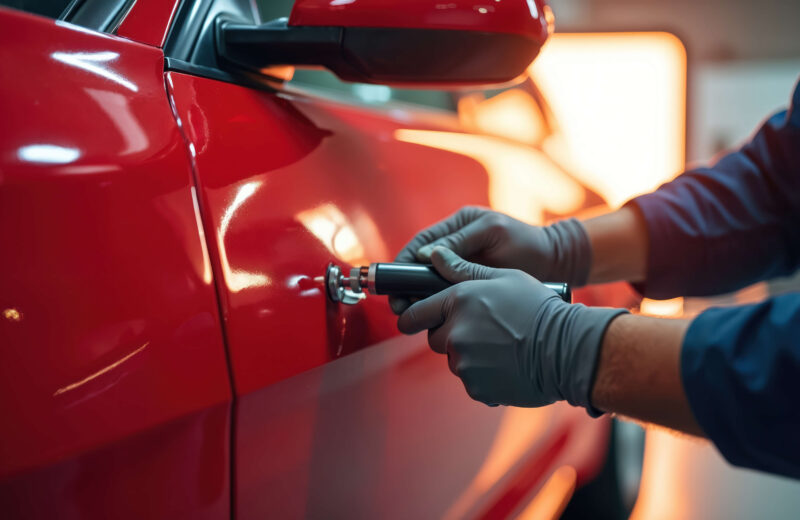
Scratch Remover for Light Surface Scratches
How do you know if a surface scratch is light? The easiest way to test is to run a finger across it. If your fingernail doesn’t catch in the groove, it’s likely that the scratch is only in the clear coat. A good car scratch remover along with a microfiber cloth can go a long way in fading or even getting rid of these shallow scratches.
How to:
- Thoroughly wash and dry the scratch.
- Dab on a little bit of scratch remover.
- Spread product in a circular motion with light pressure.
- Buff with a fresh microfiber towel until the finish shines.
This approach is especially useful for:
- Light swirl marks
- Surface scratches
- Minor scuffs from shopping carts or branches
- Paint Over Chips Pre-Rust
A little paint chip here and there may appear like a minor thing, but metal exposed to the elements can rust before you know it. Get your hands on some factory-matched touch-up paint made for your vehicle to help seal the surface and, of course, improve your car’s appearance.
DIY the Right Way:
- Prepare the chipped area with rubbing alcohol.
- Apply paint in thin layer, avoiding thick application.
- Let each coat to dry totally before going in with the next one.
- Top off the color paint with a clear coat if recommended.
Repairing paint chips right when you notice them can help avoid more costly fixes down the road.
- Polish and Wax for Small Imperfections
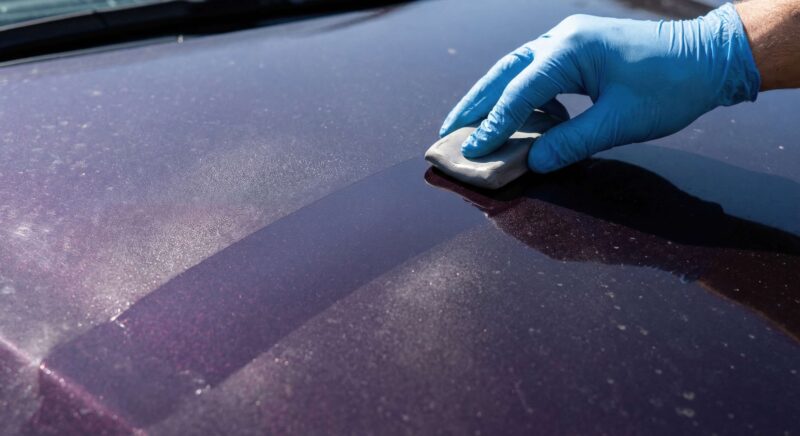
It often happens that the most basic solution is the most effective. Once you’ve removed any light scratches, apply a good quality polish and wax. This will help bring back the gloss while also masking any other small imperfections.
Why Polish and Wax Combo:
- Enhances overall shine.
- Shields your paint from UV rays.
- Acts as a repellent against dirt and moisture.
- Makes cleaning easier down the line.
In general, even when not used as a fix for small imperfections, polishing and waxing your car can also help extend the life of paint finish.
When DIY Won’t Do the Trick
The DIY approach can work wonders for slight exterior flaws. However, certain repairs simply need to be dealt with by a professional. Consider making a trip to the auto body shop if any of these situations pop up:
- Significant scratches where bare metal shows.
- Big or sharp dents.
- Cracking or peeling paint.
- Damaged areas that are starting to rust.
- Nicks or dents near body lines or vehicle sensors.
Summary
Having few simple DIY tricks in your pocket can help you keep your car looking its best without emptying your wallet. And while large exterior issues should be addressed by a proper auto body shop, using a paintless dent repair kit, fixing little nicks, painting over chips, or finishing with a wax and polish, can help preserve your vehicle’s façade and prevent further damage.