Summer heat can take its toll on a vehicle, particularly with the heatwaves that have been sweeping the planet lately. Unsurprisingly, an overheated car is one of the most common roadside issues folks experience during summer months. Finding your vehicle stopped due to overheating not only risks leaving you stranded, but it can also end up meaning costly repairs. That said, with a few easy-to-follow maintenance tips from eTags, it’s a breeze to keep your engine running seamlessly and reduce the chances of overheating problems.
Use eTags© to Quickly Complete Your DMV Service. Renewals, Title Transfers and More, All Online!
Six Tips to Avoid an Overheated Car in Summer
What Does it Means When a Car Overheats?
An engine naturally produces notable levels of heat during operation. In the summer months, the cooling system must work double-time to maintain acceptable engine temperatures. So, in the event that any component of the cooling system fails, your vehicle could overheat.
The most common cooling system failures are:
- Low coolant levels
- Radiator issues
- Broken thermostat
- Damaged cooling fan
- Coolant leaks
- Water pump problems
In order to avoid the risk of having your car soar to high temps, here are six easy tips to follow:
-
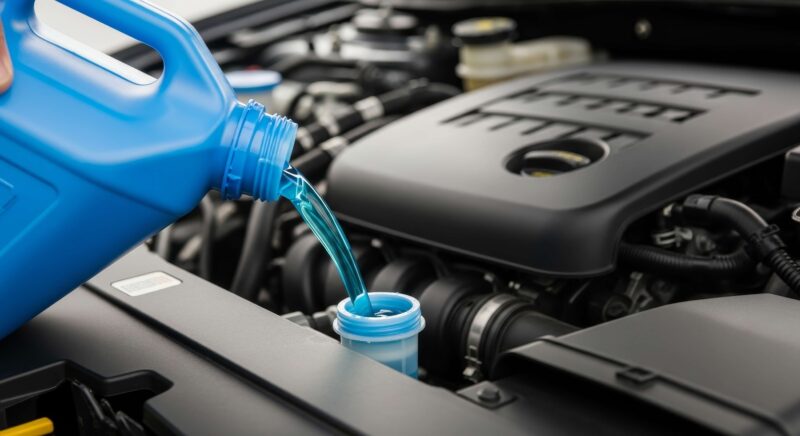
Check Your Coolant Levels
Coolant – also referred to as antifreeze – in an integral part of engine temperature regulation.
How to manage your coolant:
- Inspect levels at least monthly.
- Refill levels only with the manufacturer-recommended brands.
- Avoid opening the radiator cap while the engine is hot.
Maintaining good coolant levels is one of the simplest ways to prevent a vehicle overheating in hot weather.
-
Inspect the Radiator
The radiator manages the dissipating heat from the engine. Outside elements and influences such as dirt, debris, and corrosion can impact its efficiency.
Keep your radiator up to speed by:
- Removing bugs and debris from the grille.
- Looking out for noticeable leaks or damaged fins.
- Scheduling regular radiator flushes in accordance with your vehicle’s maintenance schedule.
A clean and properly working radiator is highly effective in keeping your engine from overheating.
-
Watch Your Temperature Gauge
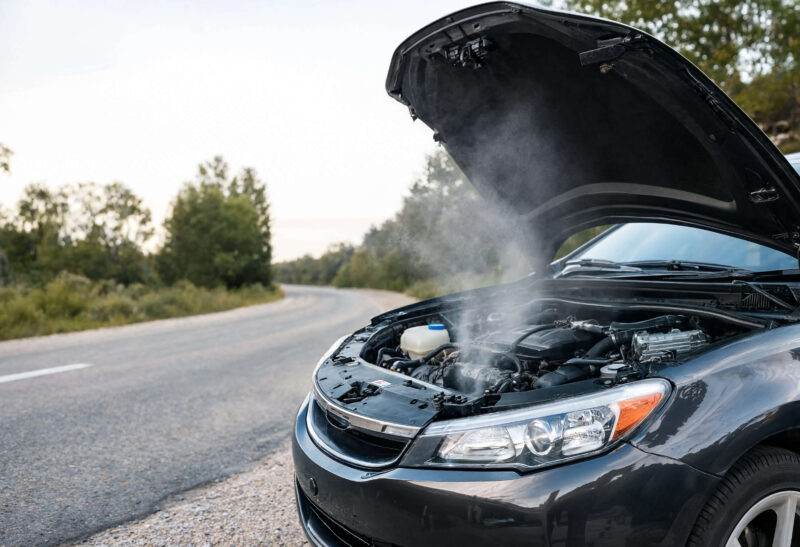
A dashboard temperature gauge – found in almost all vehicles – indicates engine heat levels, and should be monitored.
Look out for these indications of rising heat:
- The needle climbing into the red zone
- Steam emerging from under the hood
- Warning lights popping up on the dashboard
If you see any of these signs of your car overheating, pull over safely and shut off the engine immediately.
-
Check Hoses and Belts
Constant use and temperature changes can affect cooling system hoses and belts, making the rubber crack, wear out, or loosen over time.
Frequent inspections of these components should involve:
- Looking for cracks or bulges in hoses
- Checking for coolant leaks
- Making sure belts are properly tensioned
Replacing worn parts before they cause big problems can mean the difference between an unexpected breakdown and a stress-free summer.
-
Don’t Strain Your Engine
Heavy cargo and aggressive driving can make your engine work harder and run hotter.
To lessen the stress on your engine:
- Try not to accelerate rapidly.
- Avoid towing heavy loads during high temps.
- Opt for windows over A/C in stop-and-go traffic.
Small driving habits can have a significant effect on engine temperature and overall vehicle performance.

-
Plan Preventive Maintenance
Regular maintenance is key for avoiding summer overheating issues.
An inspection with a pro can help find:
- Coolant leaks
- Thermostat problems
- Water pump failures
- Cooling fan malfunctions
Identifying and solving these challenges early can help you lower the chances of expensive repairs or breakdowns in the long-term.
Conclusion
Understanding the basics of how to avoid a car overheating in summer can help save you time, money, and headaches. By keeping your coolant levels, radiator, and engine temperature in check, along with following a regular maintenance schedule, your vehicle can run smoothly and efficiently even during summer’s most sweltering days.