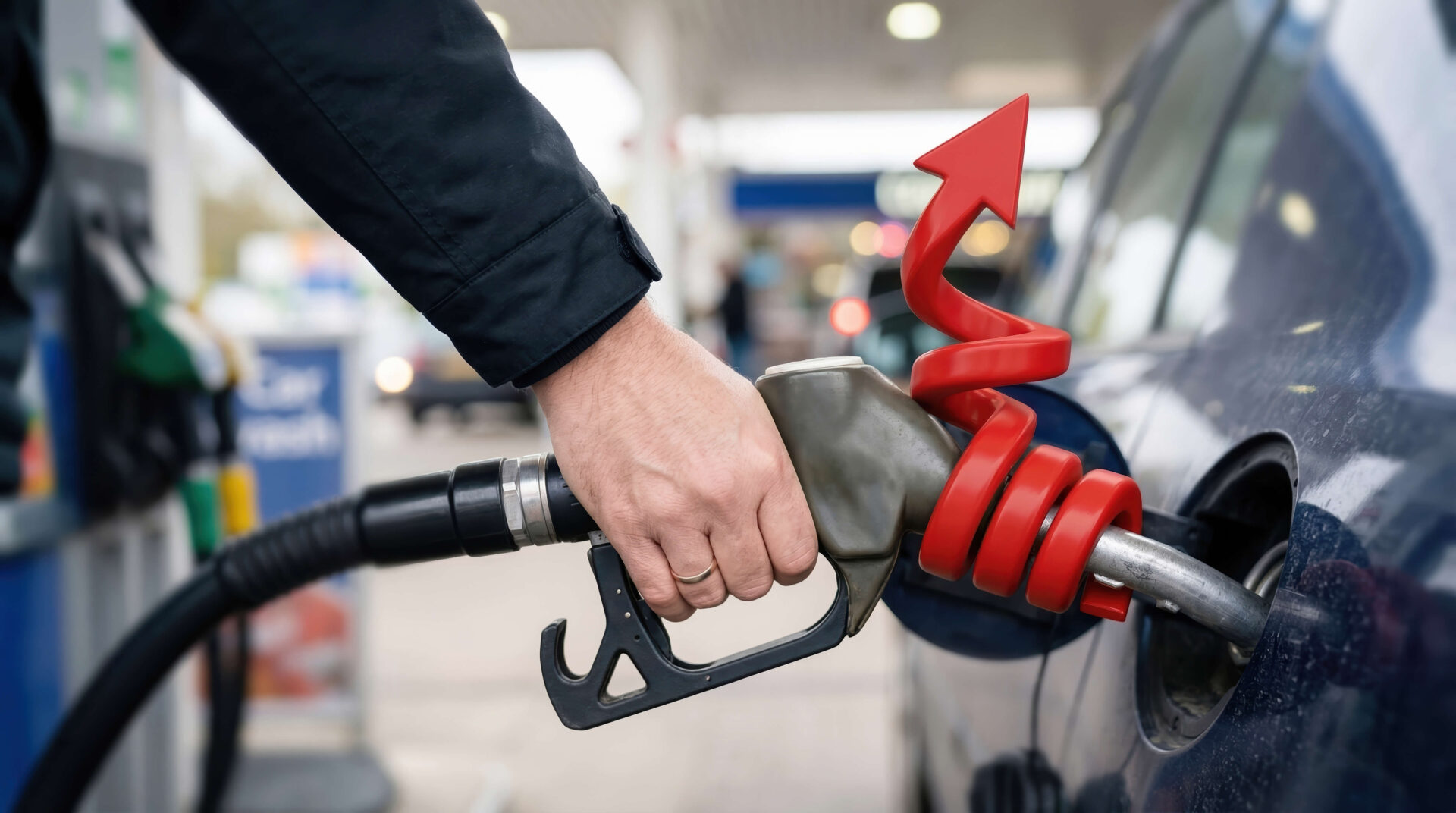
We’ve all noticed the change happening recently – the way the digits on gas station signs have been creeping upwards. It’s no secret that rising fuel costs have begun to impact folks across the country. For some, it’s no big deal to take the train instead of driving to work. But for others, a car is a must, a dealbreaker. And for the latter group, finding ways to optimize fuel use and reduce consumption can make all the difference. Especially for folks who are budget conscious.
Use eTags© to Quickly Complete Your DMV Service. Renewals, Title Transfers and More, All Online!
Of course you know that here at eTags, we’re here to help. So, we’ve compiled a list of 10 efficient strategies to help you navigate the rising prices of gasoline in 2026. Here’s how to save on fuel now:
- Check Your Driving Habits
Careful, mindful driving is one of the quickest approaches to saving money on gas. If you can stay away from the habits of aggressive driving like speeding, revving the accelerator, or slamming on the brake pedal, you automatically use less fuel. Steady, even driving patterns can improve the efficiency of fuel use by a significant 20%.
- Stay on Top of Maintenance
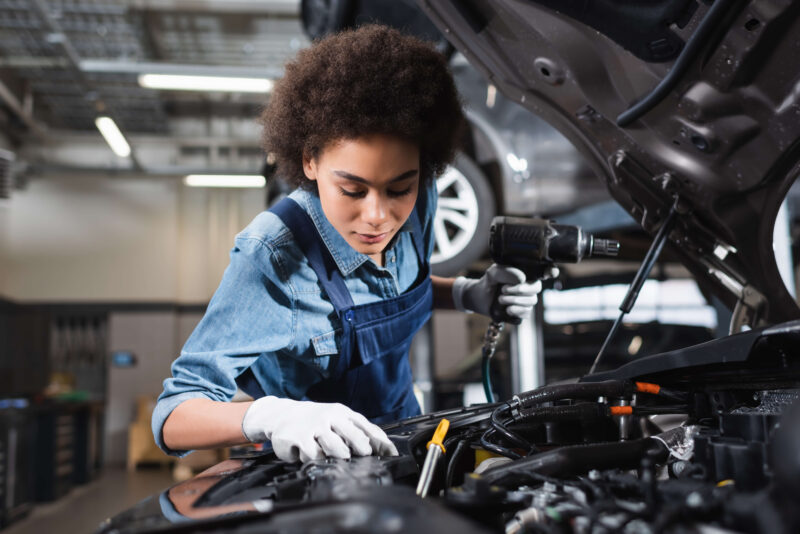
Regular vehicle maintenance is everything when it comes to optimizing gas economy. Check for details like properly inflated tires, air filters that need cleaning or replacing, and be sure to plan for routine oil changes. A car that is cared for returns the favor by using fuel more efficiently and ultimately saving you money.
- There’s an App for That
Take advantage of apps like GasBuddy or Waze help you locate the best deals on gas prices in your vicinity. Being aware of the numbers before stopping at a random station or filling your tank is a great way to be sure you’re not overpaying.
- Sharing is Caring.
Ride sharing with coworkers or friends can really help improve on high fuel costs. Carpooling not only cuts down on the number of trips you make, but it also allows for folks to share the expense of gas fill-ups. Think of this option as double efficiency at half the price.
- Put it All Together
Rather than going out for several short trips in a day or two, consider combining several errands into one single excursion. Think of which shops you might visit that are close enough for you to walk from one to the other.
- Think Public Transportation or Bicycles
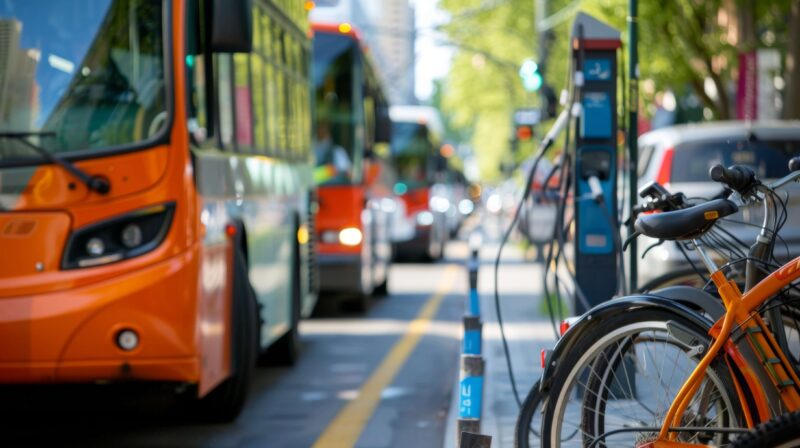
Buses, trains, and trams can prove to be more far more money-smart than driving, especially when fuel costs are at a high. And if your commute or errand-running allows it, hopping on a bicycle even a couple times per week can lead to significant savings, not to mention better fitness.
- Take a Load Off
Carrying surplus weight in your vehicle cuts down on fuel efficiency. Take some time to get rid of superfluous items from your trunk, back seat, arm rest, and glove compartment. Take down any roof racks when they are not being used. A lighter car leads to superior gas mileage.
- Work From Home
If this it’s possible for you, working from home will noticeably lower your commuting expenditure. Even if you can only manage remote work a day or two per week, this change can help keep a few more dollars in the bank while generally reducing fuel consumption.
- Upgrade
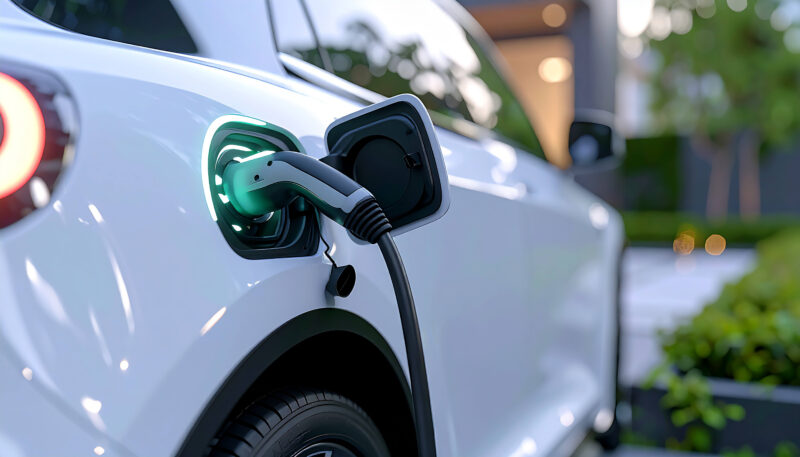
If you’re in the market for a new car anyway, consider aiming for a fuel-efficient, hybrid, or electric vehicle. When it comes to gas costs, while these options may be costlier up front, they often offer significant savings in the long term.
- Navigate with Purpose
Traffic is a gas guzzler. Take advantage of GPS apps to secure the quickest, most fuel-efficient routes. Staying away from traffic jams not only saves you time and headaches, but helps save on fuel as well.
Conclusion:
Dealing with inflated gas prices in 2026 doesn’t have to break the bank. Little changes like refining your driving patterns, taking good care of your vehicle, and using gas and traffic apps can realistically lower your fuel expenditure. These straightforward strategies do more than help you save money: they foster a more efficient and environmentally friendly driving experience.