
Buying or selling a vehicle in the Golden State means more than just exchanging cash for keys. California has strict laws that govern transactions in the automotive world, and the right documentation is absolutely necessary to ensure that sales are legal, binding, and without threat of liability. Whether you’re buying your next car from a dealership or arranging a purchase through private party sale, knowing which documents are most commonly required can help avoid errors and DMV slowdowns.
Use eTags© to Quickly Complete Your DMV Service. Renewals, Title Transfers and More, All Online!
Here we will go through a list of the most essential and ubiquitous documents found in California automotive transactions…and the importance of each one.
Certificate of Title (Pink Slip)
Sometimes referred to as a Pink Slip, a Certificate of Title top of the list for good reason: it is the most important document in any vehicle purchase or sale. Not only does it establish legal ownership of a vehicle, but it must be properly signed over to the buyer in order to constitute a legal transfer.
If a title is missing, damaged, or filled in incorrectly (bearing corrections), the DMV will not be able process a transfer. Without a clean title that is signed over in the right way, a buyer will be unable to register the vehicle while a seller could potentially be exposed to liability. A legal certificate of title protects buyers from fraudulent sales, and acts as proof that ownership has officially changed.
Bill of Sale
More than just a receipt for something you bought, a Bill of Sale lists the key terms of a transaction, which generally include:
- Purchase price
- Make, model, and year of vehicle
- VIN
- Date of sale
- Buyer and seller information

In the state of California, a Bill of Sale is often used to determine sales or use tax and can be of utmost importance if disputes come up down the line. But generally, this document acts as written proof of the sale of a vehicle.
Odometer Disclosure Statement
Most vehicle sales demand an odometer disclosure, which is usually filled in on the title itself. This disclosure officially lists the vehicle’s mileage at the time of sale.
Exact mileage documentation is required under both federal and California law and acts as a means of protecting buyers from odometer fraud. Also, because the mileage of a car inevitably affects a vehicle’s value and condition, false numbers can result in legal action. Certain older vehicles are exempt from this disclosure, but if your vehicle requires an odometer reading, it must be accurate.
Smog Certification
Also known as emissions testing, California law demands that most vehicles pass a smog inspection before ownership is passes from seller to buyer. In private sales, the seller is most often responsible for obtaining a passing smog certificate completed within 90 days of a sale.
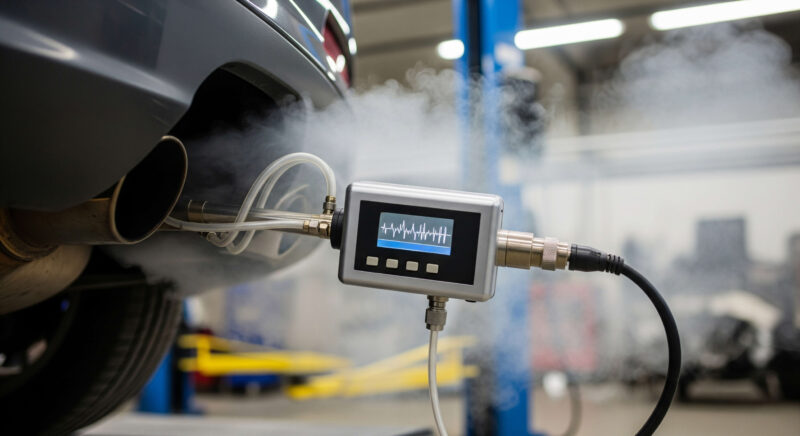
This requirement helps vehicles comply with California’s strict emissions standards and keeps buyers from taking on unexpected compliance costs. Some vehicles, like EVs or newer year models, may be exempt from Smog Certification, but it’s a good idea to confirm this with the DMV before assuming you don’t need one.
Application for Title or Registration (REG 343)
This document is the DMV’s notice that ownership has officially changed. It bears important elements such as (VIN), purchase price, and buyer details.
It’s good to note that any errors made on this form can cause DMV processing delays, so exercise care when filling it out!
Notice of Transfer and Release of Liability
This document – which the seller has to file with the DMV after a vehicle sale – acts as a way of relieving the seller of any responsibility for traffic tickets, toll violations, or accidents related to the vehicle after the sale.
Until the point that this notice is officially filed, the seller could remain liable to the vehicle legally. Submitting it promptly—which can often be done online—is an extremely integral part of the sale for a seller.

Proof of Insurance
In order to register and legally drive a vehicle in California, local automotive insurance must be obtained. Buyers will have to secure insurance coverage before applying for registration…even if the title transfer is still processing
Auto insurance is not only a legal requirement, but protects drivers financially. Driving without insurance can end up in fines or even suspension.
And there you it, friends: the most common documents in California automotive transactions. We hope this has been useful for you and that this list will come in handy. And remember, for all your title and tag needs, head over to our homepage and let us lend a hand…because as always, at eTags, we’re here to help!