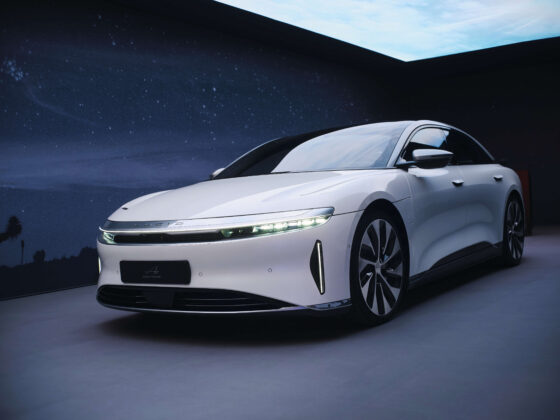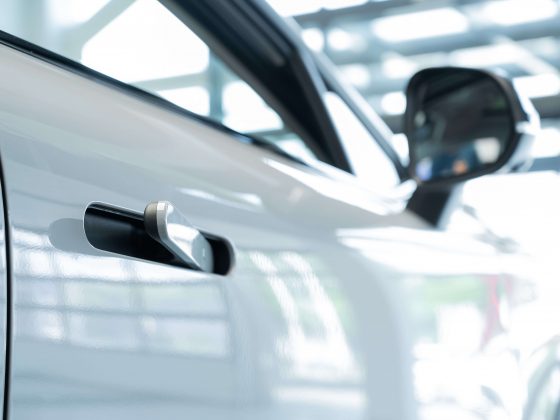
Everything in the automotive world is evolving, so why shouldn’t side mirrors, eh? What was once a simple side mirror has slowly but surely transformed into a technological marvel. More than just a reflective surface, mirrors these days are integral to your car’s safety and functionality, featuring elements such as turn signals, cameras, and blind-spot sensors.
Use eTags© to Quickly Complete Your DMV Service. Renewals, Title Transfers and More, All Online!
And whenever there’s a gadget available to use, it’s nice to understand its components, especially if it incurs damage. When it comes to side mirrors, it’s useful to know how to identify and replace individual parts, as this knowledge can help keep your costs at a reasonable mark.
The Anatomy of a Car Mirror
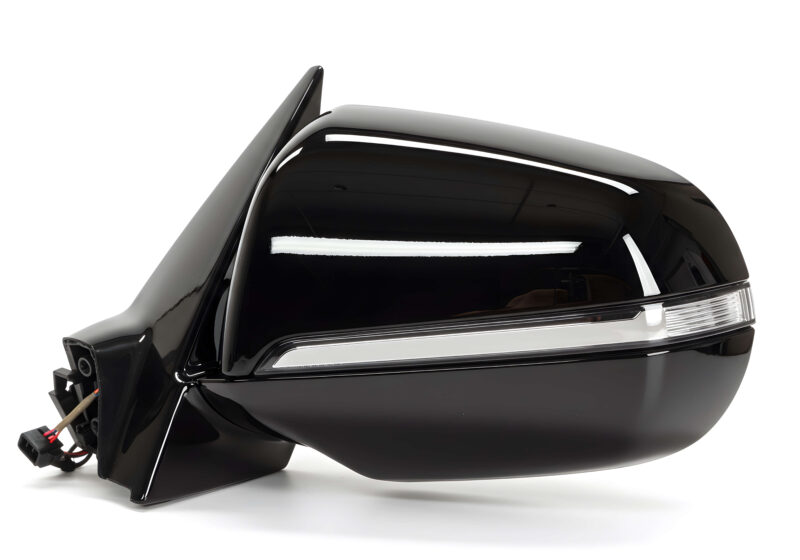
Okay, we begin from the basics: the mirror housing and cover. The housing of a side mirror is usually made from ABS plastic, which provides structure and protection. The cover is often a painted shell-like shape, made both with aesthetic and protective functions in mind. Then there’s the mirror glass, which is attached to a backing plate that allows electronic adjustment.
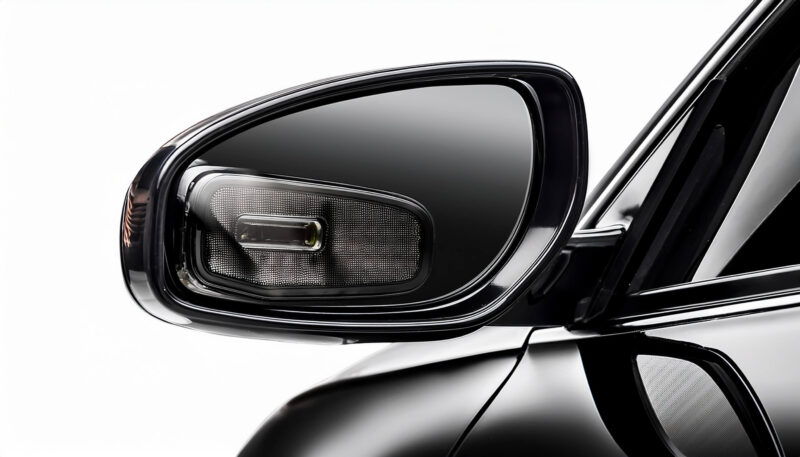
Modern mirrors also feature the following electrical components:
- Actuator Motor: Adjusts the mirror glass according to your preferences.
- Heating Element: Helps keep the mirror clear in cold weather.
- Turn Signal Indicator: Contributes to safety by alerting other drivers of your movement.
Advanced Features
Often, mirrors on modern vehicles are an integral part of the car’s Advanced Driver-Assistance Systems (ADAS). They will likely include:
- Blind Spot Sensor: Alerts you to vehicles in close proximity.
- Side View Camera: A component of 360-degree parking systems.
- Puddle Light: Illuminates the are area on the ground next to your car.
Choosing the Right Parts
If you find yourself in a situation where you need to replace parts, you will have to decide between OEM (Original Equipment Manufacturer) and aftermarket options. OEM parts guarantee a perfect fit, but tend to cost more. Quality aftermarket parts, on the other hand, can offer a cost-effective alternative.
Considerations:
– Ensure part compatibility with your car’s model and features.
– Verify types of connectors that match your vehicle’s wiring.
– Ensure you are looking at parts for the correct side (driver or passenger) needed.
Installing and Maintaining Mirrors
For folks who’ve done simple repairs on cars before, you may be able to fix your mirror with a few basic tools. This not only saves money but also ensures your car remains safe and functional.
Maintenance Tips:
– Automotive glass cleaner is great for the mirror and gentle soap for the housing.
– Use car wax or a ceramic sealant to protect the cover.
– Switch on the mirror’s heating function rather than scraping ice.
Upgrading Your Mirrors
Question: is it possible to upgrade to mirrors with more advanced tech? Answer: Yep, often enough, you can choose to add elements such as heating or turn signals to enhance safety and convenience. Please note, though, that this could involve a complex installation process for the electronics or programming.
And there you have it: the world of modern car mirrors: their benefits, features, and repair options, briefly explored.