It’s no secret that the world of technology is advancing in ways most of us have barely imagined. Indeed, we are inching steadily closer to a time when machines can perform almost any task seamlessly, based on a program of commands. Of course the question arises: will there be a place for humans in this time? Will there be a way to integrate tech and person in a manner that is cooperative, needed, and normal? Well, Waymo has recently demonstrated a situation in which – at least for now – human intervention is still a thing of relevance.
Use eTags© to Quickly Complete Your DMV Service. Renewals, Title Transfers and More, All Online!
The Conundrum
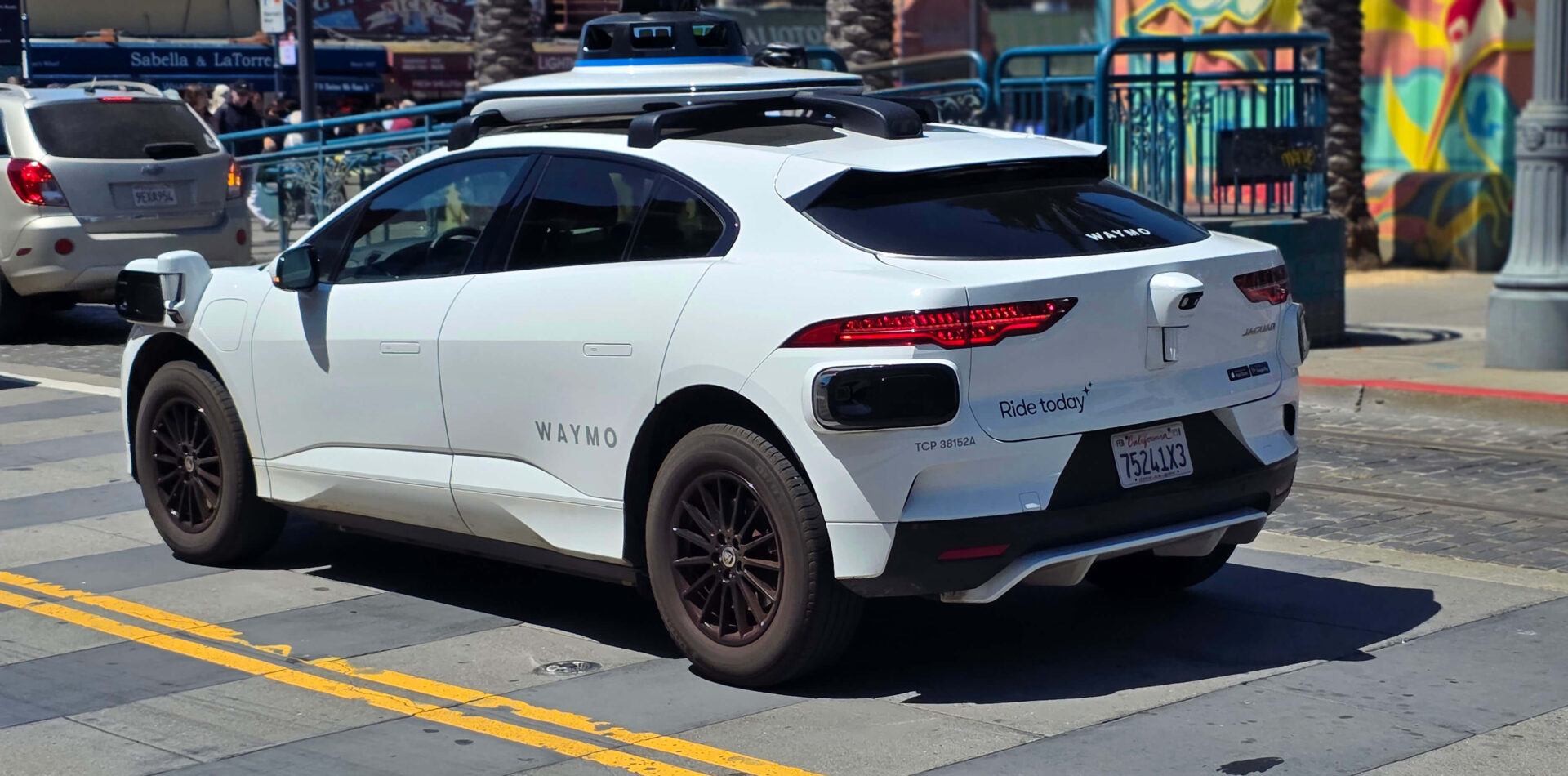
Waymo, a fleet of autonomously driven ride-hailing service owned by Alphabet Inc, prides itself on being the first of its kind. And though they have enjoyed a measure of success, a recent glitch in their technology has just emerged: after completing a ride, the driverless vehicles occasionally are stuck with open doors after passengers leave the car. And because there are no drivers, there is no one (literally, no person) to close those doors. Regardless of the fact that these vehicles were designed to function independently, it turns out that they sometimes need a helping hand – literally – to close doors.
The Solution
Now, what has Waymo endeavored to implement as a solution? Well, it seems that they’ve begun hiring DoorDash drivers to close any passenger doors left ajar.
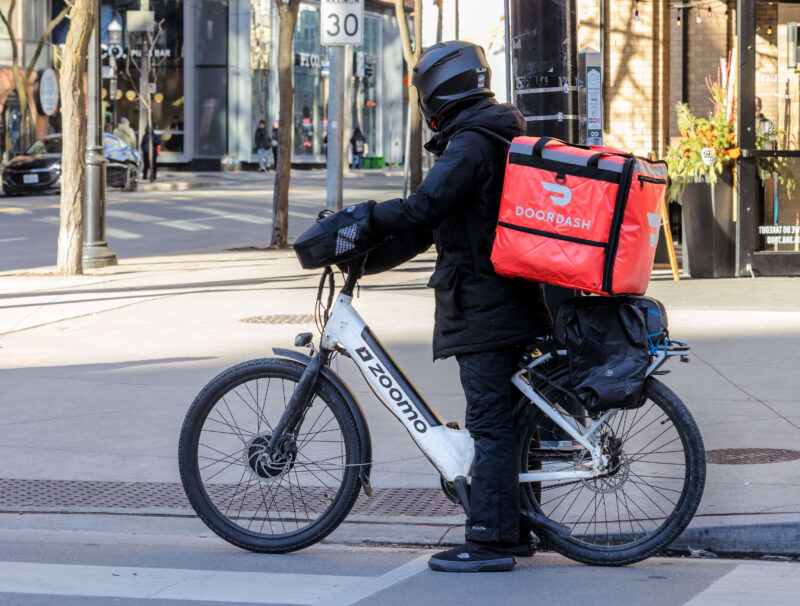
Yep, for $11.25 per task, Waymo is now hiring gig workers from DoorDash to find these open-door cars and shut them: payment of course depending on timely execution of the job. This new procedure highlights a sensible way of making sure that the cars can proceed with their routes unhindered. It’s a pretty pragmatic and original use of resources when it comes to solving the problem. But it also draws attention to a bigger issue: the existing limitations of systems that are meant to be autonomous.
The Way Forward
Waymo has confirmed publicly that this collaboration with DoorDash has now become part of a pilot program in Atlanta, helping to keep their cars moving. And while this may have turned into a less-than-proud moment for a tech company whose focus is driverless technology, it points to a very important truth: even the most advanced machines aren’t fully self-sufficient…yet.
For now, the participation of the gig economy in this type of situation is a confirmation of the flexibility and resourcefulness of human beings. It also begs the question on many peoples’ minds:what roles will humans play in a world of ever-expanding automation? As technology continues to inevitably grow and evolve, will humans simply serve as backup systems, or will there be new roles created that marry humans and machine collaboration seamlessly?
Down The Line
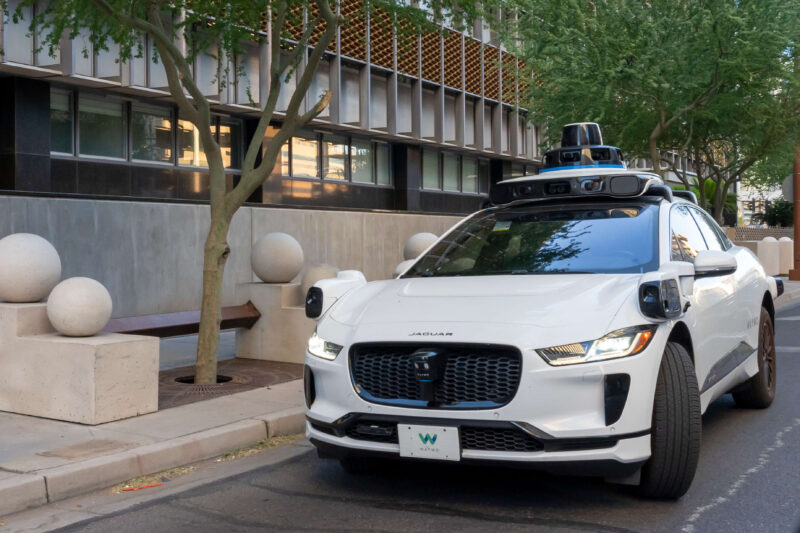
For Waymo, anyway, this partnership is meant to be a temporary one. The company means to address this door hiccup by implementing automated closure technology for its vehicles in the future. However, until this element is developed, tested, and approved, this glitch reminds us that technological evolution can often be a set of small movements rather than giant leaps ahead.
The story of DoorDash door-closers is one that speaks to the dance between machine technology and the need for human touch. And the fact that people are still needed will act as a boon for many folks who value human purpose and contribution. And here at eTags, while we help out with transfers, renewals, replacements, and more, we will for sure be watching this space.