In case you hadn’t noticed, electric vehicles (EVs) have been rapidly growing in popularity worldwide, with global sales increasing yearly. The United States alone has seen a sizable jump of 10% in sales this year, pointing to the shift towards this type transportation. As more people consider buying an EV for their next car, understanding how these vehicles work is a smart move.
Use eTags© to Quickly Complete Your DMV Service. Renewals, Title Transfers and More, All Online!
What Are the Key Components of Electric Vehicles?
An electric vehicle operates differently from traditional gasoline-powered cars, and here is a breakdown of the main elements:
- Traction Battery Pack: The heart of the EV, this is where energy is stored in the form of direct-current electricity to power the motor and electrical components. Lithium-ion batteries are commonly used due to their efficiency.
- Power Inverter: The inverter converts direct current (DC) from the battery into alternating current (AC) for the motor. It also manages the conversion of AC back to DC during regenerative braking, helping recharge the battery.
- Electric Motor: This type of motor gets its AC power from the inverter and is then responsible for propelling the vehicle. EV motors usually use AC for its reliability and efficiency.
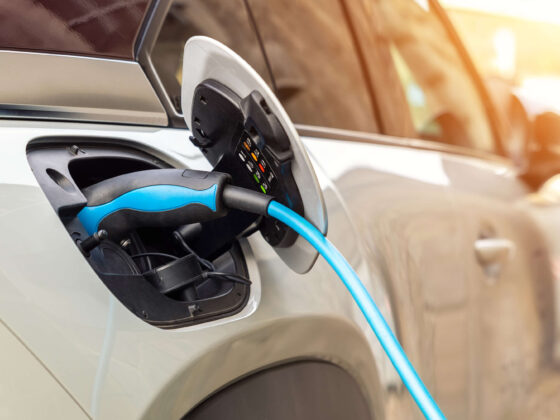
- Charging Port: The charge port hooks the car up to an external power source to charge the battery.
- Transmission: Not so different from conventional, fuel-powered vehicles, an EV transmission transfers mechanical power from the motor to the wheels.
- DC/DC Converter: This component reduces high-voltage DC power from the battery pack to the lower voltage needed for vehicle accessories.
- Thermal System: This systen maintains the proper operating temperature for the battery, motor, and other parts.
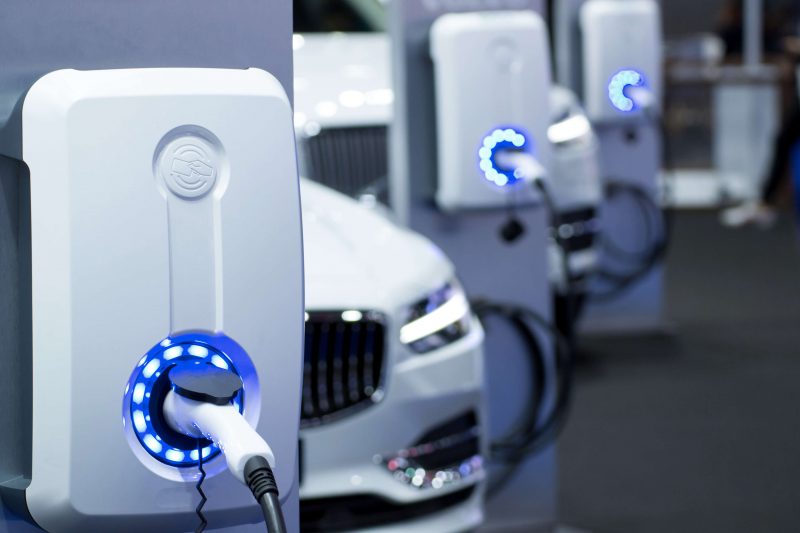
How Does EV Charging Work?
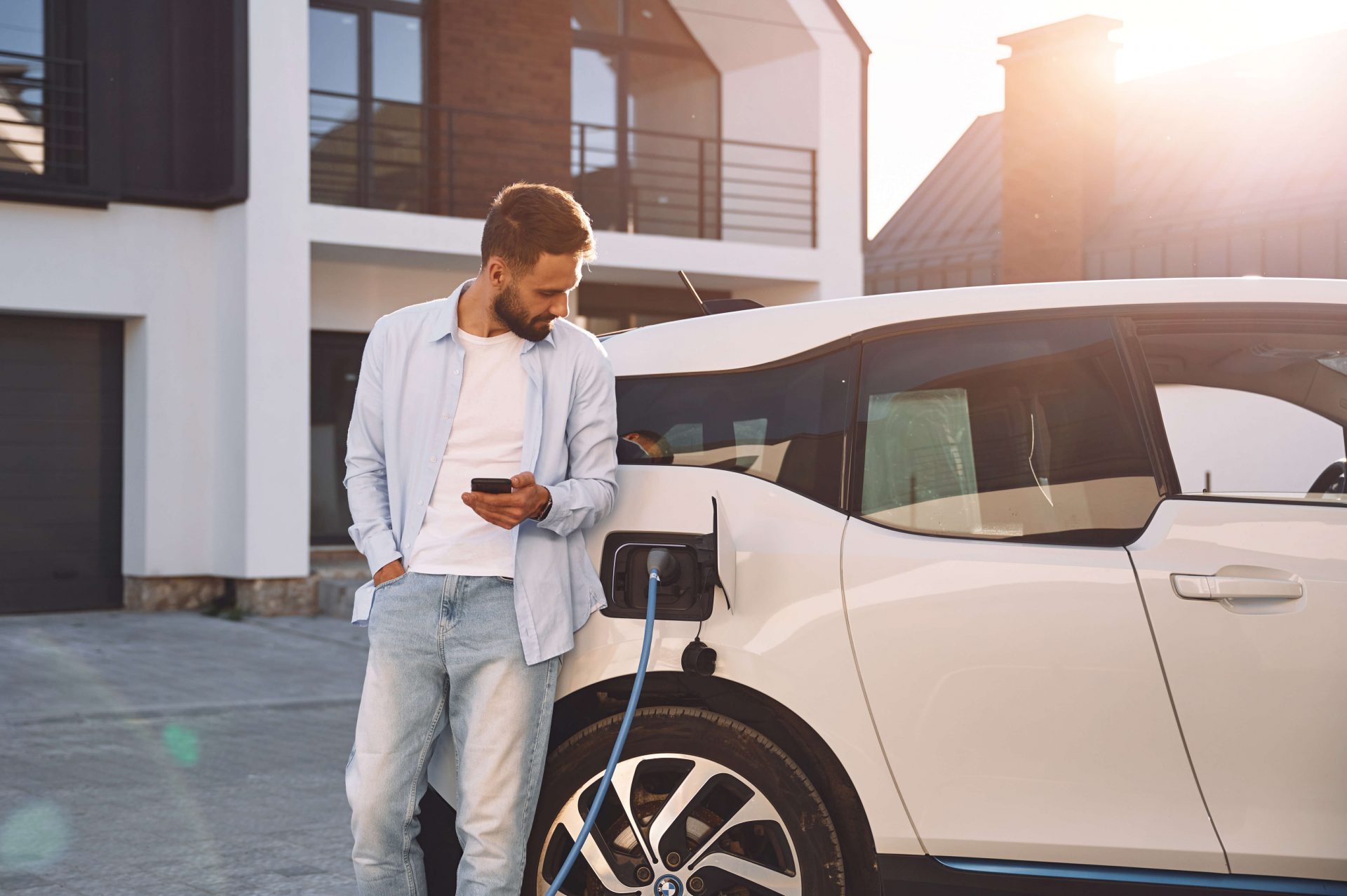
Charging an electric vehicle is quite different from fueling a gasoline car. Here’s how it works:
- Level 1 Charging: This is the most basic method of charging. It uses a standard 110-volt outlet, and provides 3-5 miles of range per hour. It is a slow process, but enough for plug-in hybrids.
- Level 2 Charging: Level 2 utilizes a 240-volt charger that delivers 12-60 miles of range per hour. This method is commonly found in public charging stations and can also be connected at home…by an electrician who is certified in this type of installation.
- Level 3: DC Fast Charging: Here is the fastest charging option, and it is almost exclusively available at public stations, charging an EV to 80% capacity in 20-30 minutes.
What Are the Types of Electric Vehicles?
There are four primary categories of electric vehicles:
- All-Electric Vehicles (BEVs): These vehicles run entirely on the electricity stored in batteries. They offer driving ranges between 250 to 400 miles. Popular examples are models like the Tesla Model S and Chevrolet Bolt.
- Plug-In Hybrid Electric Vehicles (PHEVs): These cars combine an electric motor along with an internal combustion engine. PHEVs can run on electricity alone for limited distances, but will eventually have to switch to gasoline.
- Hybrid Electric Vehicles (HEVs): Powered by both an internal combustion engine and an electric motor, these vehicles primarily run on gasoline. The electric motor aids in reducing fuel consumption.
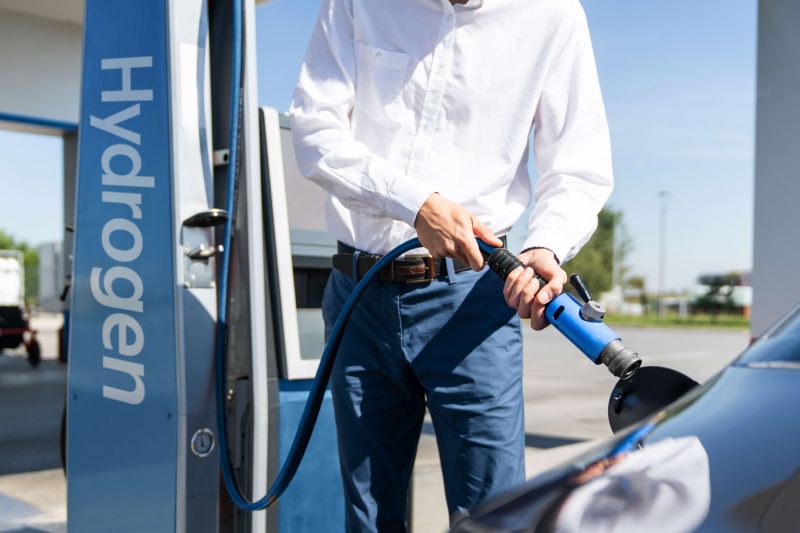
- Fuel Cell Electric Vehicles (FCEVs): These futuristic rides rely on fuel cell technology..meaning that they are powered by electricity generated from hydrogen. A few examples are the Toyota Mirai and the BMW iX5.
And there you have the basics of how EVs work and what your options are when considering the purchase of one. And remember, no matter what type of vehicle gets you from Point A to Point B, for all your title and tag needs, head on over to our home page and let us assist you. Whether it’s a title transfer, registration renewal, new plates, or document replacement (and more), at eTags, we’re here to help!