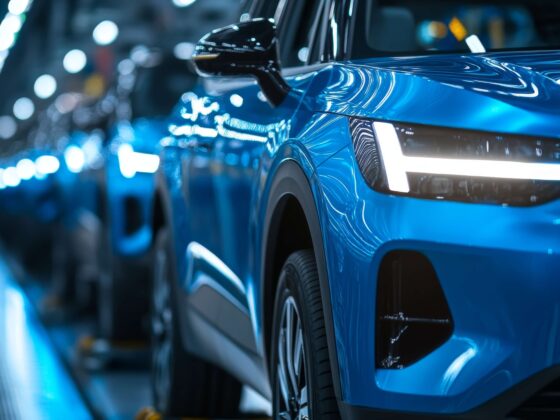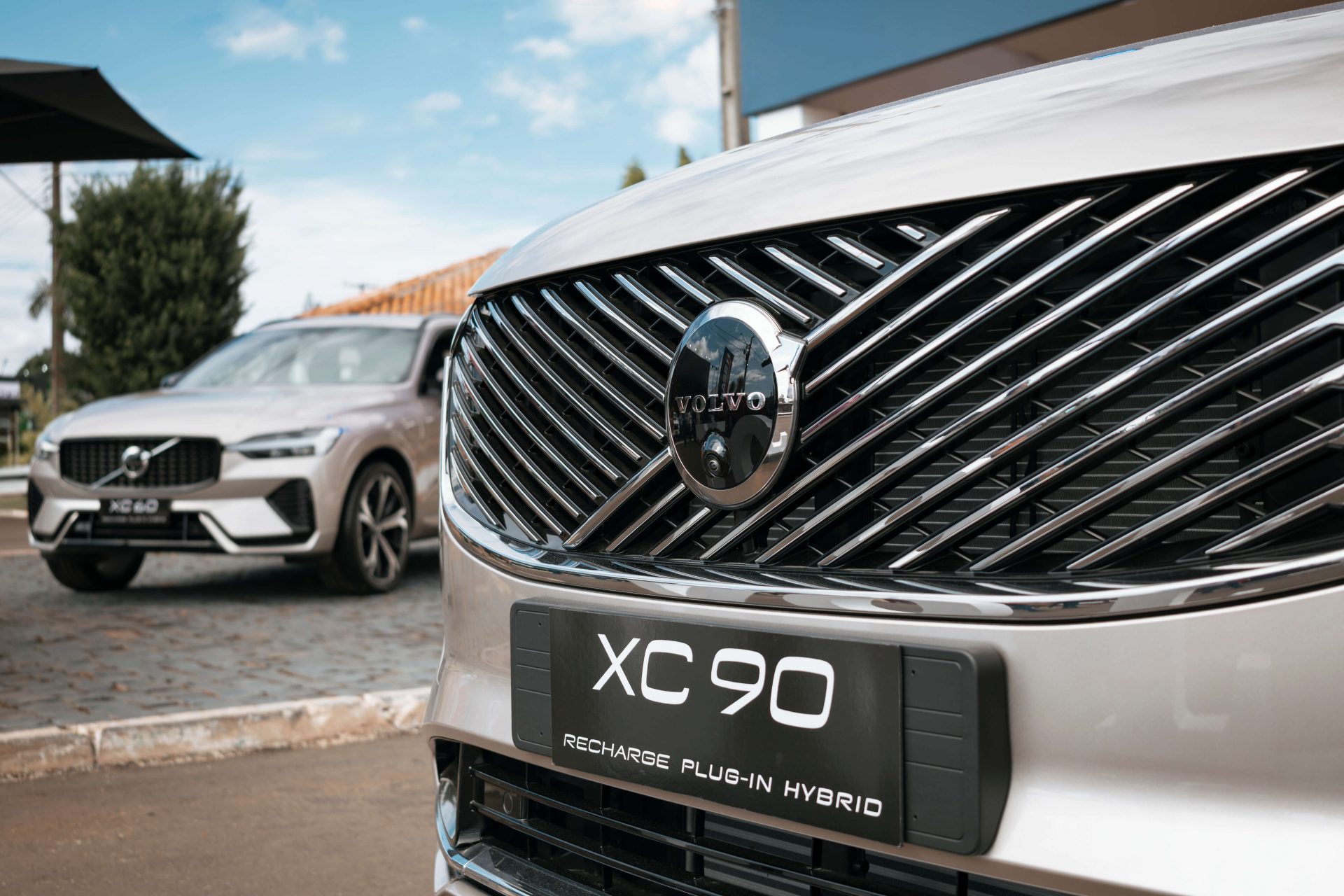
In a climate where environmental awareness and consumer needs meet, Swedish automakers are setting the tone. How? Well, two notable manufacturers from the other side of the pond – Volvo and Polestar – are leading the way by building vehicles on American soil. This move is more than a response to increasing demand for environmentally friendly cars: it is also a clever initiative in navigating tricky international trade dynamics.
Use eTags© to Quickly Complete Your DMV Service. Renewals, Title Transfers and More, All Online!
Answers to Environmental Challenges
As environmental consciousness increases, so does the demand for cars and trucks that offer better fuel efficiency and cleaner emissions. Hybrid vehicles – vehicles that host both electric motors and traditional internal combustion engines – provide a viable solution for lots of folks aiming to reduce their carbon footprint…without having to totally commit to an electric vehicle. Swedish automakers have long been respected for sustainable practices in vehicle production, and the introduction of a new hybrid model made in the U.S. further bolster this reputation.
Economy and Trade
By choosing to produce their vehicles domestically in the U.S., Volvo and Polestar can alleviate some of the weight that the recent tariffs have been laying on foreign manufacturers. And this not only benefits our Swedish friends…it’s more strategic than that: these new hybrid models are set to be more competitively priced in the American market. What’s more, it also could also be the start of a bigger trend where automakers from other countries move their production to the States in order to mitigate the impact of the difficult trade policies.
Local Impact
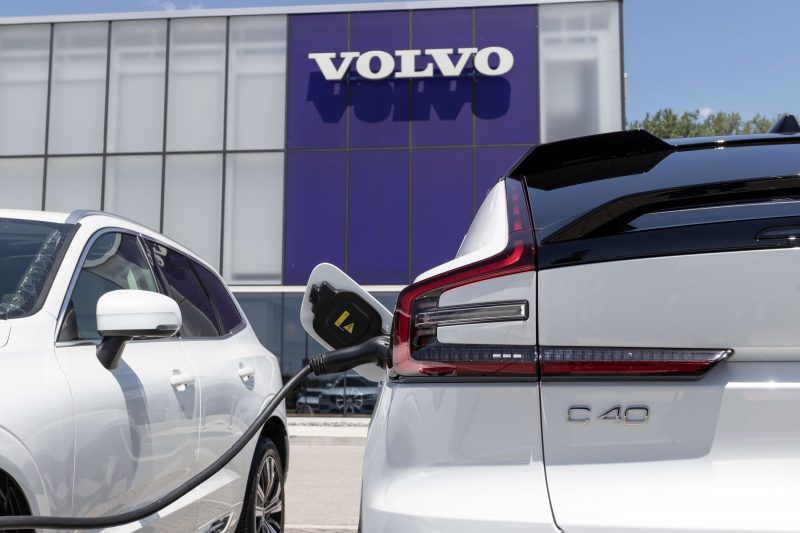
The move to manufacture EVs, hybrids, and fuel-powered vehicles in the U.S. not only benefits consumers, but also has a significant effect on local economies. Expanding local production facilities means more jobs and the need for workforce training programs – both of which provide new opportunities for nearby communities. So, Volvo’s plans have the potential to help build a skilled American labor pool, which, in turn, can support future innovations in the automotive industry.
Swedish Models Built Stateside
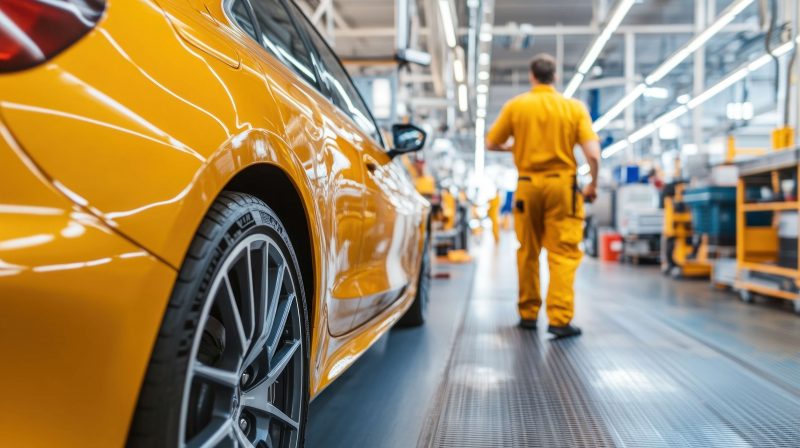
Volvo has maintained a strong presence in the States for the past 70 years or so, with a fully operational production plant in South Carolina. At the moment, Volvo’s all-electric EX90 SUV and the Polestar 3 are built at this plant. While the factory has a much larger capacity than for the building of only these two models, Volvo has plans to boost its electric and hybrid vehicles and fully take advantage of their facility.
Consumer Demand
While it’s true that EVs are certainly are gaining popularity, there remains a significant consumer audience that favors or requires traditional gas-powered vehicles. Swedish automakers have acknowledged this and aim to please both sides. It is Volvo’s goal to satisfy both sustainability and practicality by offering a new hybrid option set to be released in 2030. This goal is meant to secure a wide audience—those who are eco-conscious and those whose priorities are extended range and convenience of fuel-powered engines.
What’s in Store
We don’t know all that much about Volvo’s new hybrid: only that it will be built on U.S. soil. And that if it’s anything like the rest of their lineup, it’s going to be a work of art. What’s nice about this promised new car is that it marks further evolution the ability to stay adaptable to both consumer needs and regulatory changes. With the introduction of this new hybrid vehicle – one that combines Swedish engineering with American manufacturing – Volvo is modeling a forward-thinking approach. Which we could all do with, right?