Summer is the ideal season for road trips, quick getaways, and extended family vacations. And with all this driving, all the miles and weather can make this season tough on your vehicle’s tires. High temperatures, long drives, and lots of cargo all add to the stress on your tires, making regular maintenance especially important.
Use eTags© to Quickly Complete Your DMV Service. Renewals, Title Transfers and More, All Online!
In this article, we’ll review eTags‘ basic summer tire care tips to help keep your tires safe in hot weather, maximize tire life, and allow you to enjoy better, more fuel-efficient performance throughout the season.
Why Summer Tire Care Is Important
High temperatures don’t necessarily put tires at risk, but heat does up the demand placed on tires. Hot weather naturally increases the air pressure inside a tire, while hot pavement and long driving distances generate extra tire heat.
If your tires are underinflated, overloaded, worn, or damaged, this added heat can mean a higher risk of tire failure. Hence the increased need for routine inspections and proper maintenance during the summer months.
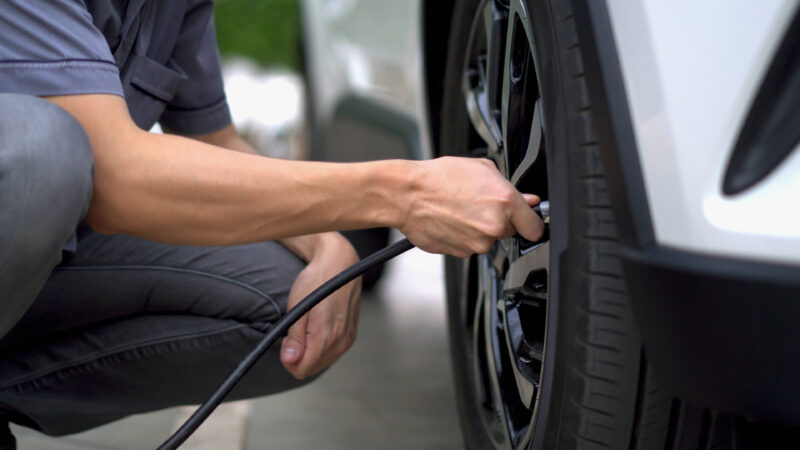
Check Tire Pressure Monthly
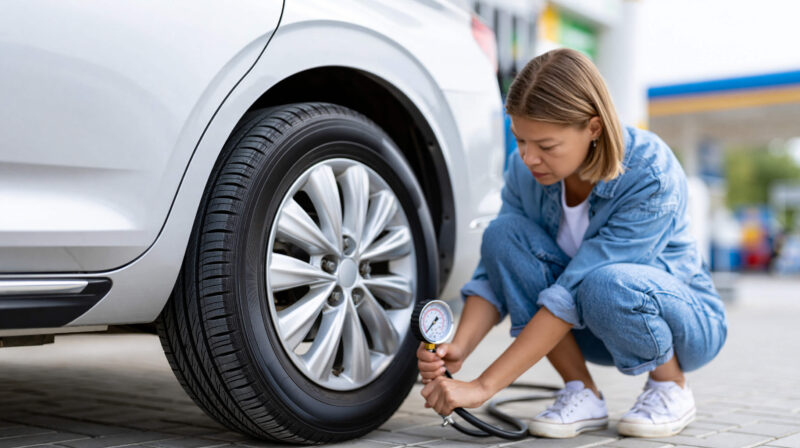
Make sure your tire pressure is correct – it’s one of the easiest and most effective ways to care for your tires.
Tips for an accurate reading:
- Check pressure once a month (at least) and before heading out on long trips.
- Measure pressure when the tires are cold—before a journey or after the vehicle has been parked for at least three hours.
- Set tire inflation according to the pressure listed on the driver’s door jamb sticker or in your owner’s manual.
- Do not inflate to the maximum pressure printed on the tire sidewall.
- Don’t forget to check your spare tire’s pressure if your vehicle has one.
Correctly inflated tires help make for better handling, braking performance, fuel economy, and tread wear.
Inspect Tread Depth and Tire Condition
Good tire tread means better traction, particularly when roads are wet.
Check for the following:
- Low tread depth
- Uneven wear
- Cracks in the rubber
- Cuts or punctures
- Bulges or blisters on the sidewall
- Objects stuck in the tread
An easy way to check tread depth is with a tread depth gauge. Tires need replacing when the tread measures 2/32 inches or less, though choosing to replace them earlier will make for improved wet-weather performance.
Regularly Rotate Your Tires
Tire rotation helps distribute wear more evenly, leading to longer lifespan and more consistent performance.
Your owner’s manual will provide a recommended tire rotation interval – follow this. Often, this is approximately every 5,000 to 8,000 miles – roughly around the same time as an oil change.
Regular tire rotation helps with:
- More even tread wear
- Longer tire life
- Better handling
- Improved ride quality
Don’t Overload Your Vehicle
Summer holidays can often translate to extra passengers, luggage, and/or equipment. Avoid piling on the weight past your vehicle’s maximum load capacity. This way you can reduce any additional stress on the tires.
Before starting your journey:
- Verify your vehicle’s recommended load limit.
- Pack cargo evenly if possible.
- Don’t try to load more weight than your vehicle was made to handle.
Carrying only what is recommended for your car’s rated capacity will help reduce heat buildup and allow for safer tire performance.
Watch for Warnings
If your something feels off with your vehicle while driving, it could be your tires needing attention.
Here’s what to look out for:
- Steering wheel vibration
- The vehicle pulling to one side
- Frequent loss of tire pressure
- Uneven tread wear
- Visible tire damage
If any of these issues pop up, consult a qualified tire technician as soon as possible.
Get Road Trip Ready
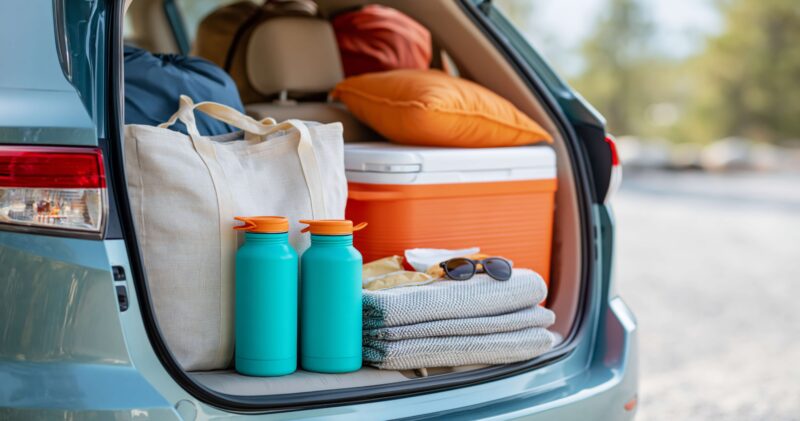
Prior to hitting the road, take the time to inspect your tires.
Have a checklist that includes the following:
- ✓ Check tire pressure
- ✓ Inspect tread depth
- ✓ Look for visible damage
- ✓ Confirm the spare tire is properly inflated (if equipped)
- ✓ Pack a tire pressure gauge and emergency roadside supplies
Even a basic inspection before heading out can help lower the chances of unexpected tire events during your trip.
Drive Safely All Summer Long
Regular tire maintenance is one of the easiest ways to help keep your vehicle safe and moving at its best during the summer. Check your tire pressure, inspect the tread, rotate your tires as recommended, and avoid overloading your vehicle – these tasks can help extend tire life and reduce the occurrences of tire issues on the road.
For additional tire safety guidance and summer driving recommendations, visit the National Highway Traffic Safety Administration’s Summer Driving Tips page. You’ll find futher information on tire pressure, tread depth, roadside emergency preparedness, and other seasonal vehicle safety tips.