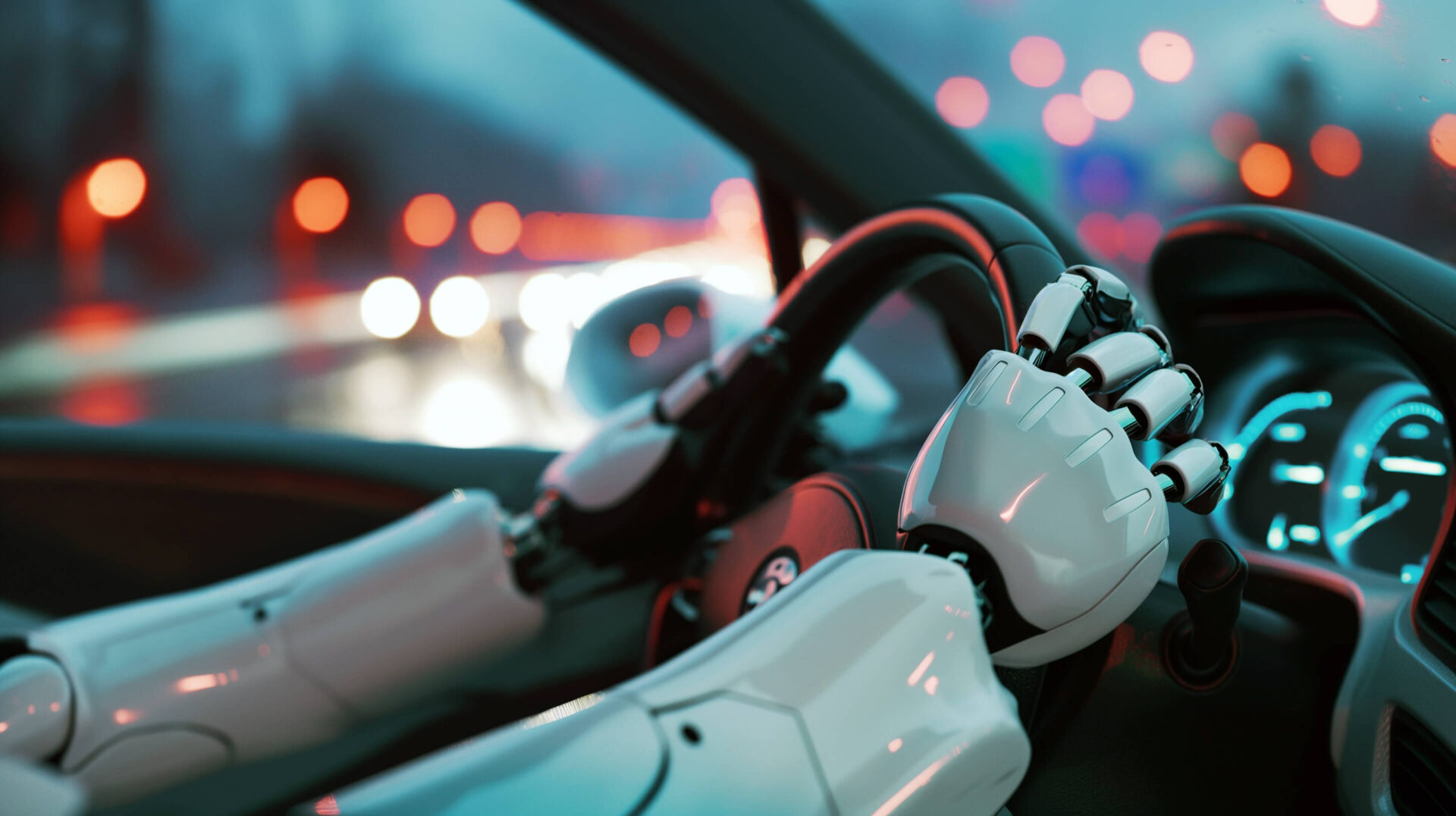
We think it’s safe to say that the world of cars – and transportation in general – is swiftly evolving. Every day it seems that another innovation is being imagined and then unveiled. And carshare company Lyft’s CEO, David Risher, is keeping up with the times with a vision of human creativity blending seamlessly with technology. While some folks might not be the first in line for a robotaxi ride, Lyft’s proposed possibilities do offer unique opportunities for those in the gig economy.
Use eTags© to Quickly Complete Your DMV Service. Renewals, Title Transfers and More, All Online!
This just in: CarTenders
Everyone’s heard of a bartender…but a Bartender? One of the interesting roles suggested by Lyft is the “cartender.” Imagine a scenario in which you’re not just a passenger but also a host, able to offer local insights, craft drinks, or find some special way to enhance the travel experience. So while the role of the driver might change in a robotaxi, the presence of humans remains and the demand for human engagement remains timeless.
Risher’s approach is more than speculation; he sees a period in the near future where human drivers and autonomous vehicles coexist. During this transition from conventional driver to autonomous driving, new roles and opportunities within the vehicle will emerge, meaning that the personal touch isn’t lost in a [literally] tech-driven world.

Personal Asset Leverage
For those folks for whom this transition could foster concern about job security, Risher offers a chance to leverage personal assets in a new way. By opening to floor for individuals to add their own autonomous cars to Lyft’s platform, drivers can continue being a part of the gig economy without sitting at the wheel themselves. This prospect means a unique chance to utilize personal property as a source of passive income.
Interestingly, his idea doesn’t belong to Lyft alone. Tesla’s CEO, Elon Musk, has proposed a similar model, where Tesla owners could include their vehicles in a robotaxi network. Thus furthering the concept of optimizing personal assets along with transportation to generate income.
Collaboration and Expansion
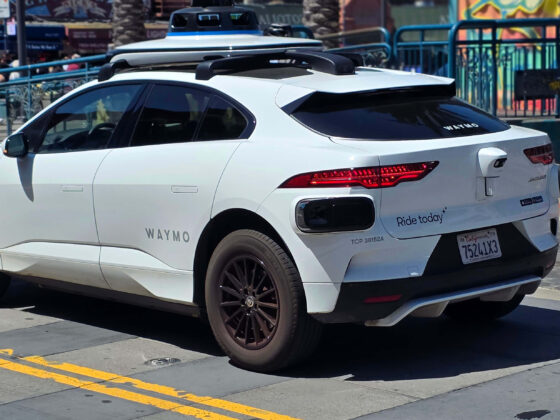
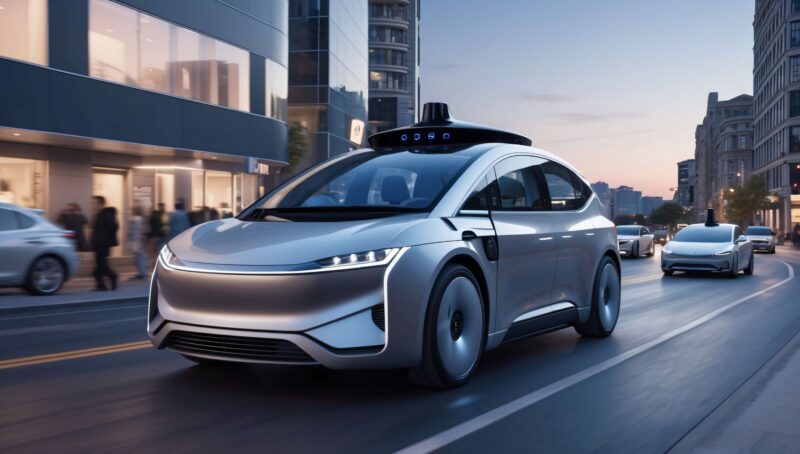
Lyft’s approach to the shift from human drivers to autonomously driven taxis finds its foundation in collaboration. By partnering with companies like Waymo and Baidu, Lyft takes advantage of ready-made cutting-edge technology without having to develop it in-house. This partnership is a strategy that allows the integration of these vehicles into one extended network, thereby benefiting a greater number of both drivers and passengers alike.
Risher, CEO of Lyft since 2023, is all about helping drivers adapt and thrive in this changing environment. One of his proposed initiatives is the “driver accomplishment letter,” a tool that taps into AI technology in order to assist drivers in obtaining other service-oriented roles. The hope is that this will help drivers transition seamlessly within various sectors of the gig economy, highlighting their previous experience and reliability.
Driver Feedback
Lyft has shown its commitment to driver involvement with initiatives such as the Driver Autonomous Forum: a platform that allows drivers a space to share insights and feedback. The aim is to ensure that drivers are heard, particularly during the company’s integration of autonomous vehicles. In valuing driver input, Lyft hopes to prove a dedication to creating a sustainable and inclusive future.
So will Lyft’s proposals and projections come to fruition? Well, we’re looking forward to watching this space…