In case you haven’t noticed – and we doubt that’s the case, given our loyal, wonderful automotive-minded friends here at the eTags blog – auto manufacturers have become increasingly focused on developing advanced driving assistance systems (ADAS) in vehicles of late. This, of course, caters to the growing interest and even expectations modern drivers have in technologies that enhance safety and convenience. In fact, these days, ADAS and cutting edge technology are some of the top criteria for folks in the market for a new car, truck, or SUV.
Use eTags© to Quickly Complete Your DMV Service. Renewals, Title Transfers and More, All Online!
What is the most in-demand tech feature in vehicles today?
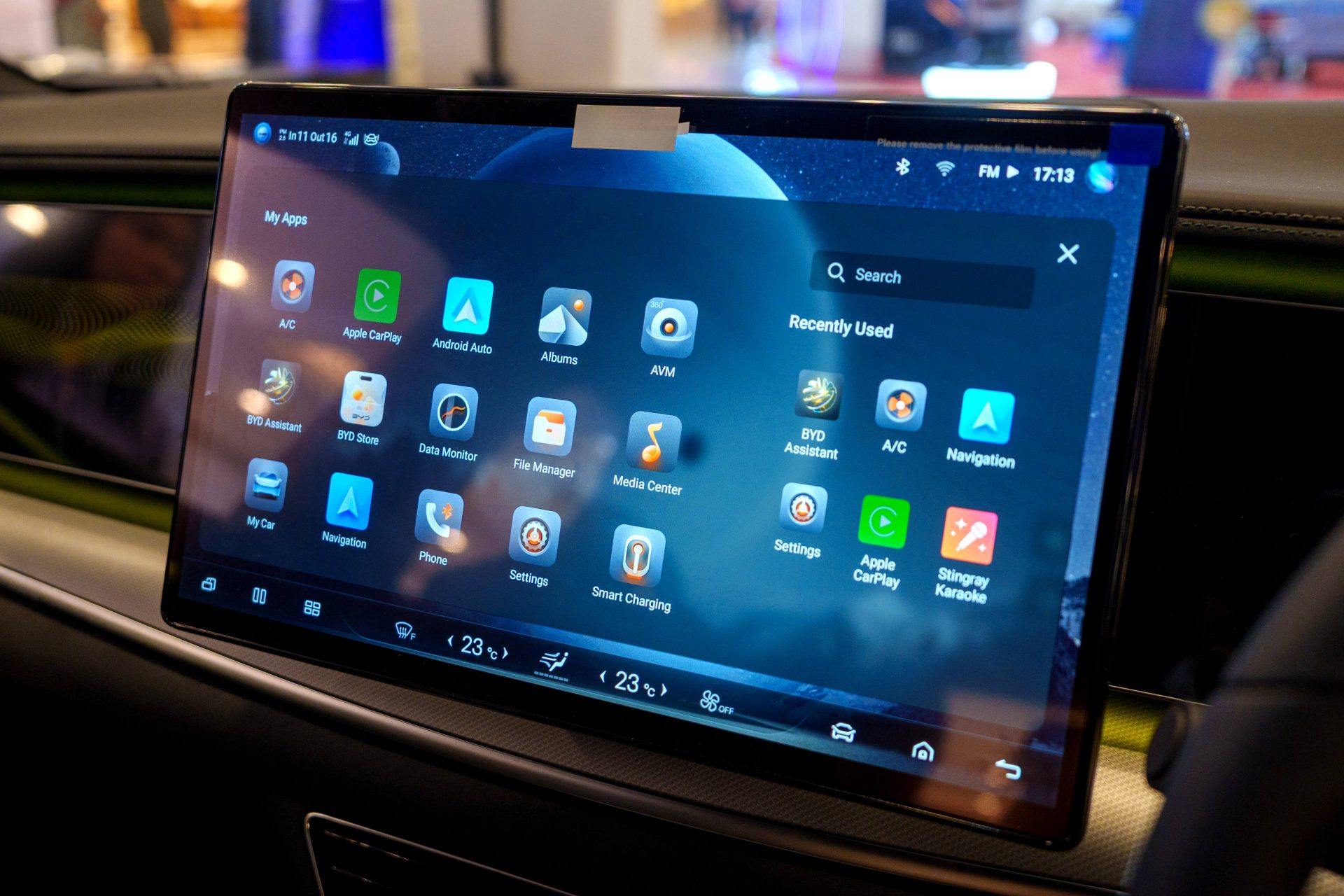
The most sought-after tech requirement in new vehicles is the hands-free feature for phones. Programs that now come standard in most new cars, trucks, and SUVs, like Android Auto or Apple CarPlay have not only enabled people to synch their smartphones with the car for entertainment purposes (that Spotify playlist, for example), but also makes talking on the phone a breeze. Because as most of us are aware by now: holding a phone while driving – for speaking or texting – is not only dangerous, but illegal in most states. Hence the keen interest and need for emerging vehicles to have a hands-free capability that works seamlessly.
How has hands-free technology changed?
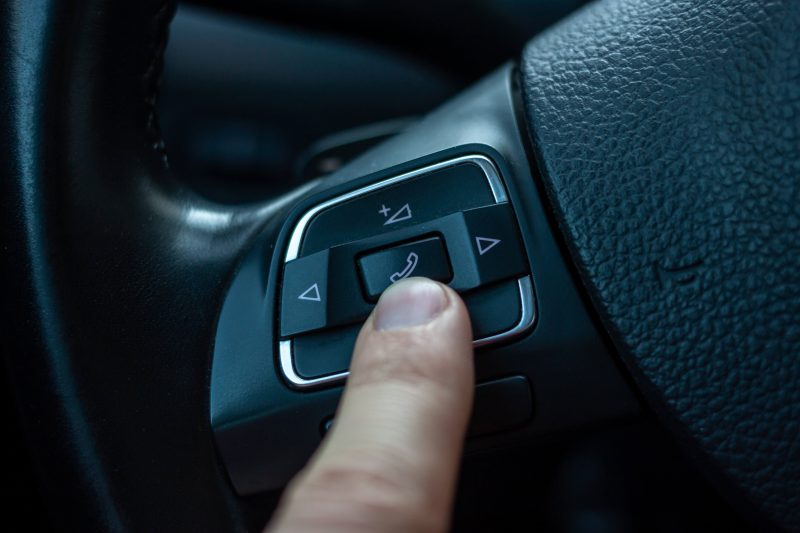
More than just the ability to have a conversation while driving, hands-free generally allows for spoken commands to be heard and heeded. At some point before the integrated car-phone setup, folks were using speakerphone to make calls while on the road, whereas nowadays almost all new cars will allow for the call to go through the vehicle itself. Voice commands instructing the vehicle to answer a call or ignore it, phone someone or send a message – these tasks can all be accomplished by speaking. Drivers can now join meetings, compose emails, or add items to a grocery list while moving from point A to point B. Which is a long way down the road from basic speakerphone abilities.
Is hands-free really safe?
The jury is still out on this one. In some ways, hands-free technology advancements have resulted in a drop in phone-related accidents. There are fewer people looking down, for example, in order to text or answer a call. Thus, there have been slightly fewer driver deaths associated with distracted driving. That said, there is a lot of data pointing to the statistics that show that hands-free is no risk-free. Whether or not a device is in-hand whilst driving, the brain of the driver seems to still be divided, and any attention taken away from the road, from other vehicles, from pedestrians is a potential danger.
What is the future of hands-free driving?
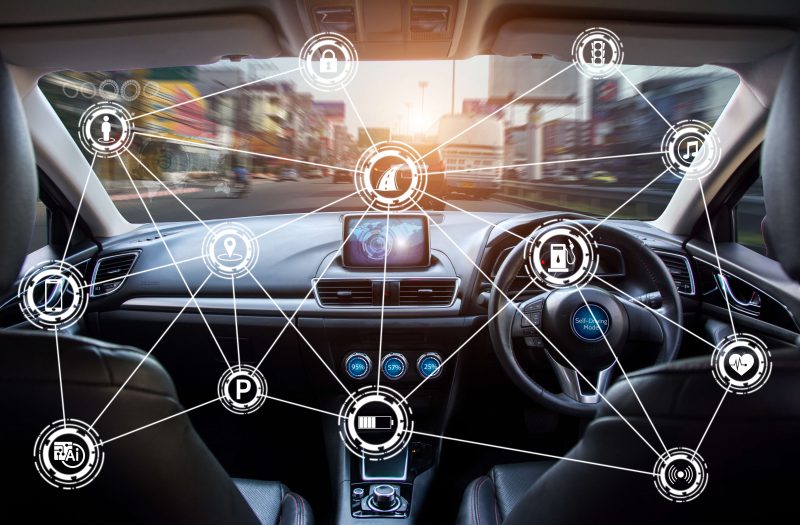
Because of the risks still posed by the division of attention when driving while “on the phone,” automotive manufacturers are turning towards the innovation and expansion of ADAS technology. It seems that if humans insist on being able to talk and communicate while on the road, there must be some sort of support system, some sort of safety measures in place to protect them as they do so. This is where all the supplementary safety features come in. Components such as lane departure warning, front collision alerts, emergency braking, and blind spot monitoring can all come to the rescue should a driver find himself distracted by a call or text.
So, from where we’re sitting, it looks like a smart idea to save the calls and texts for when you’re parked. Even if hands-free calls and emails are available, in a situation where safety is top priority – we mean driving, of course – we think this sort of communication while on the road be a rare occurrence rather than a habit.