
It’s almost a Romeo and Juliette situation. Almost. Okay, not really. But when two competing companies – two major, world-famous, historical, powerful, popular entities – start talking about going from rivals to collaborators, you know people are going to sit up and take note. Particularly if this is happening in the automotive world.
Use eTags© to Quickly Complete Your DMV Service. Renewals, Title Transfers and More, All Online!
Mercedes-Benz and BMW, the two mega titans of the German automotive industry, who have historically been neck to neck in vying for top place in the global car market, have recently opened discussions to explore a potential collaboration. What? Yes.
What’s the possible partnership about?
Well, it seems like Mercedes might want to source their four-cylinder engines from BMW. This development, reported by Manager Magazin, represents an intriguing shift in the automotive landscape. Although BMW has not confirmed these reports, the implications could be significant.
Why would Mercedes want to use BMW engines?
It appears that Mercedes-Benz is moving through somewhat of a challenging period, as highlighted by CEO Ola Källenius’s announcement of weak financial results. The company saw its car business margins fall to 3.2% in the second quarter, and first-half sales dropped to 900,000 units—the lowest since 2020. Källenius emphasized the need for the right products, not just cost-cutting measures, to resolve these issues.
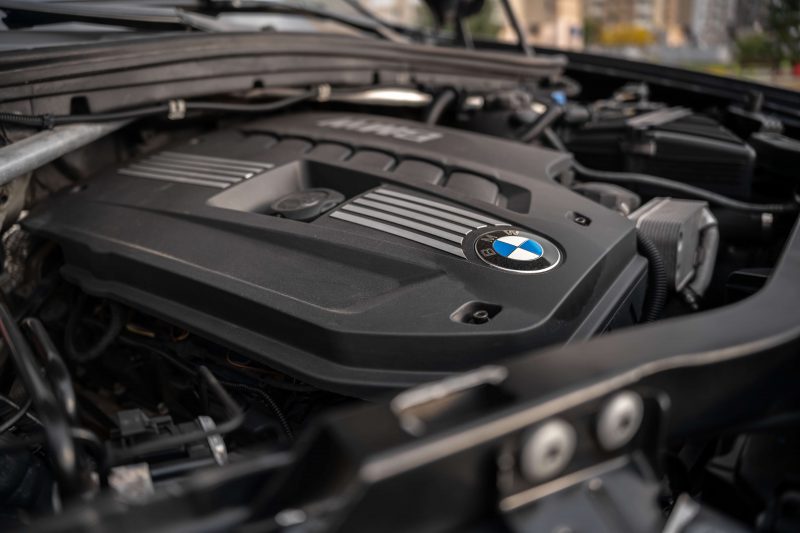
A key challenge Mercedes is experiencing currently involves its engine supply. The growing demand for combustion units – particularly for plug-in hybrids – has the auto giant unprepared to meet the call of the numbers required to keep up. And while Mercedes’ current plan involves sourcing four-cylinder engines from Geely in China, certain geopolitical dynamics (U.S tariffs, for example) have thrown a wrench into this plan. And so this is the backdrop setting the stage for a potential partnership with BMW.
What are the potential collaboration details?
Word has it that the idea for this partnership came to light over one year ago, and has been slowly expanding. At the moment, the proposal to work together means BMW supplying engines to Mercedes starting in 2027. To begin with, BMW would focus on producing only four-cylinder petrol engines, keeping in mind the possibility of expanding to diesel units and other drivetrain components. The production plan is to manufacture the engines at BMW’s Steyr plant in Austria (known for producing over a million engines in 2024), while also possibly housing a plant somewhere in the U.S. to avoid the tariff obstacle.
What are the benefits of a Mercedes – BMW alliance?
Reports of Mercedes trying to keep up with the EV surge – and struggling to do so – have left the German automaker searching for a solution. In outsourcing their 4-cylinder engines to a reliable (and close-by) source, they free up much of their time, money, labor, and resources. Thus allowing Mercedes to focus on what lies ahead, which for them, looks like a shift into mostly electric vehicles.
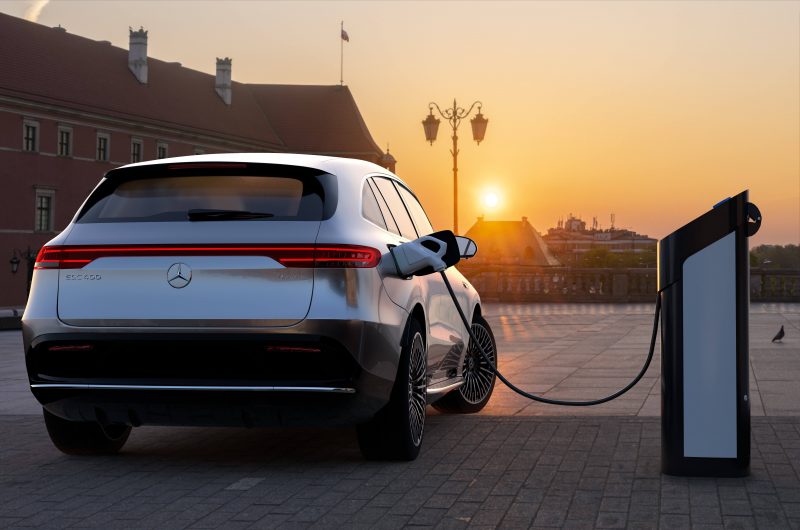
For BMW, it’s about revenue. More business and more demand mean more income. Additionally, supplying engines to a major competitor like Mercedes only works to elevate BMW’s reputation for engine design excellence. It also adds another notch in BMW’s belt, bulking up an already healthy list of significant collaborations. This includes partnerships with big auto brands like Land Rover, Range Rover, and Toyota.
By transcending their rivalry and exploring a possible collaboration, Mercedes-Benz and BMW could potentially inspire similar innovative solutions to solve to modern challenges. Because if the fiercest automotive competitors could find common ground, who else might follow?