We can probably all agree on one thing here in the land of all things automotive: the search for more sustainable, cleaner fuel, smarter energy, and more efficiently run vehicles is a must. And while hybrids and electric vehicles (EVs) have certainly gained ground and momentum of late, there is another route that is becoming increasingly more interesting and more relevant.
Use eTags© to Quickly Complete Your DMV Service. Renewals, Title Transfers and More, All Online!
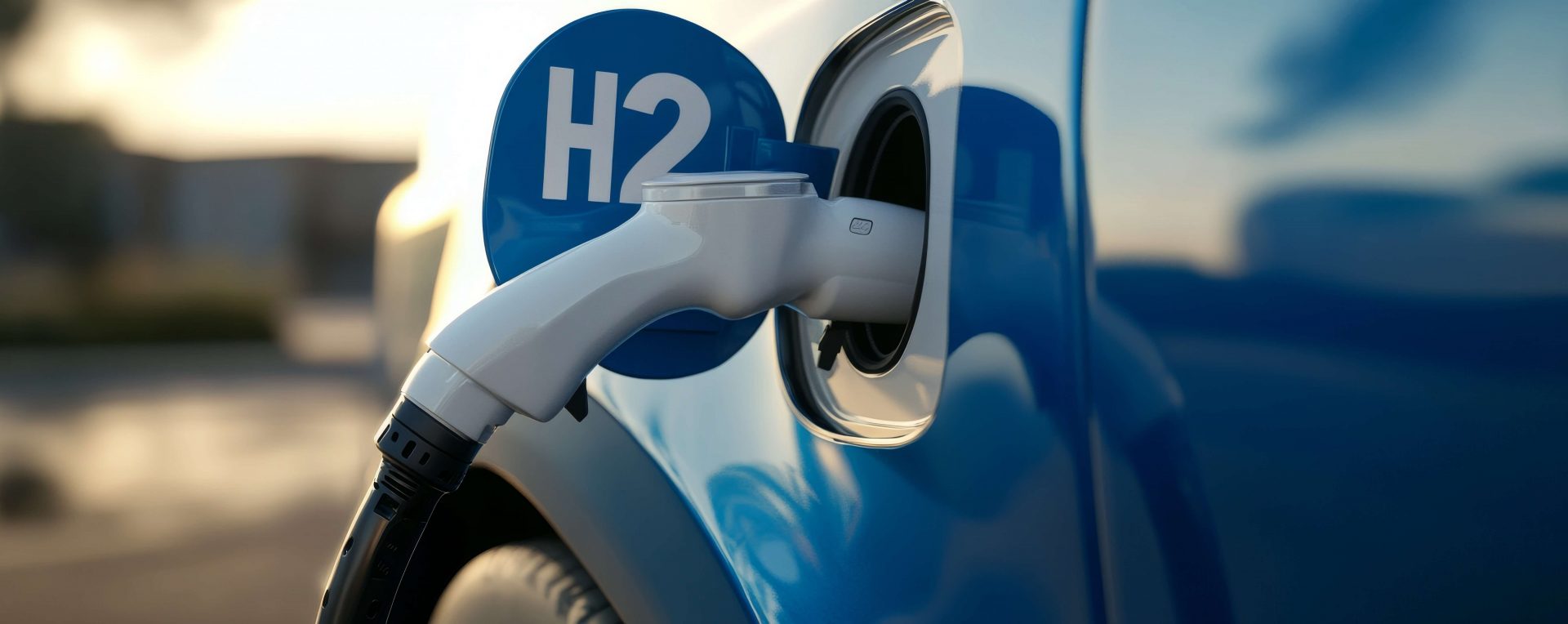
Of course, we’re talking about hydrogen. And specifically, we’re curious about BMW’s announcement to launch its first series production of hydrogen powered vehicles by 2028.
Is the idea of a hydrogen powered vehicle new?
Actually, it’s not all that new, relatively speaking. Hydrogen fuel cell cars have been around for a while. In fact, Toyota pioneered its Mirai back in 2014, while Hyundai offered its Nexo in 2018, and Honda reintroduced a hydrogen hybrid model, the CR-V e:FCEV, just last year in 2024. That said, BMW’s “late” entry into this area of sustainable energy sources indicates a renewed commitment to exploring hydrogen energy.
How does a hydrogen vehicle work?
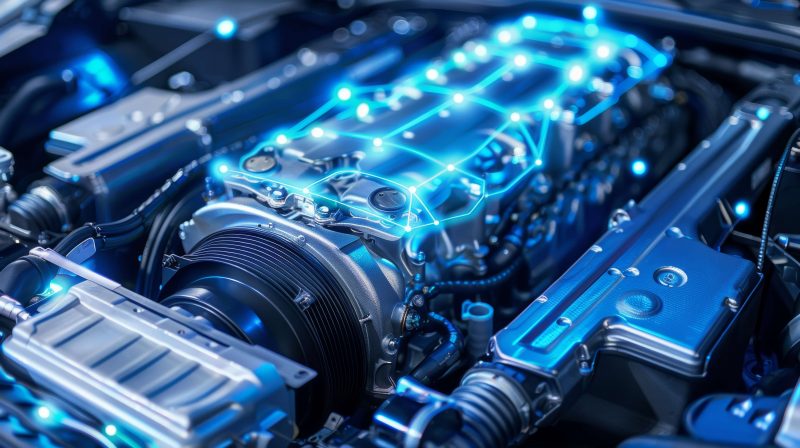
A hydrogen vehicle uses a battery, but unlike in an electric vehicle, these batteries compartments called Fuel Cells, which are like little power plants whose job it is to convert hydrogen into energy. Hence the moniker for hydrogen rides: FCEVs, or Fuel Cell Electric Vehicles.
What is the difference between a standard electric vehicle (BEV) and a hydrogen vehicle (FCEV)?
As BMW so explains on their dedicated hydrogen information page, FCEVs do not rely on the battery itself for the energy. Rather, it is the hydrogen getting continuously converted into energy inside the fuel cells that powers the car. This means that while a BEV relies on charges from external sources (ie, plugging into a power port) a FCEV has a built-in energy factory that needs no outside assistance. The Fuel Cells only need hydrogen and in turn can create “fuel” for the vehicle to run.
What are the benefits of a hydrogen vehicle?
There are several benefits to a hydrogen-powered vehicle. Here are some:
- Zero emissions
- Tank refills in 3 to 4 minutes
- Range unaffected by weather conditions
- No external charging necessary
- 300 miles of driving range
- Requires fewer raw materials than standard EVs
- Acceleration of 0-60 MPH in 6 seconds
So what is BMW presenting as their contribution to the FCEV world?
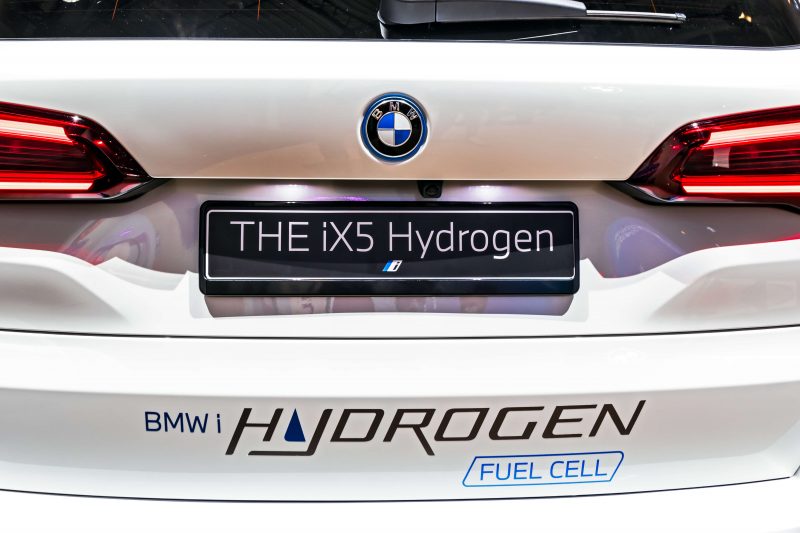
Slated to be released in 2028, the BMW iX5 Hydrogen, is currently in its pilot phase. Here’s what we know about the vehicle so far:
- It is still a prototype
- It will likely be a mid-size SUV
- When the first fleet is completed, it will be used for testing and feedback
Will hydrogen be an easy alternative to EVs and gas-fueled vehicles?
There is great potential in the prospect of hydrogen vehicles. However, as it stands, there isn’t currently the infrastructure to fully support a profusion of FCEVs….yet. For example, the number of hydrogen stations in the USA is a mere 54. But this is not to be seen as discouraging if we think of the growth in BEV charging stations in the past few year. Today there are over 64,00 public charging locations across the U.S. So it stands to reason that as the market and desire for FCEVs grow, so too will the availability of hydrogen stations.
In all, FCEVs are a promising alternative to cleaner, more sustainable movement across our precious planet. And you know us, here at eTags, we’ll be keeping tabs. In the meantime, for all your tag and title needs, head on over to our user-friendly (and sustainable, we might add) site and let us assist you. Because as always, at eTags, we’re here to help!