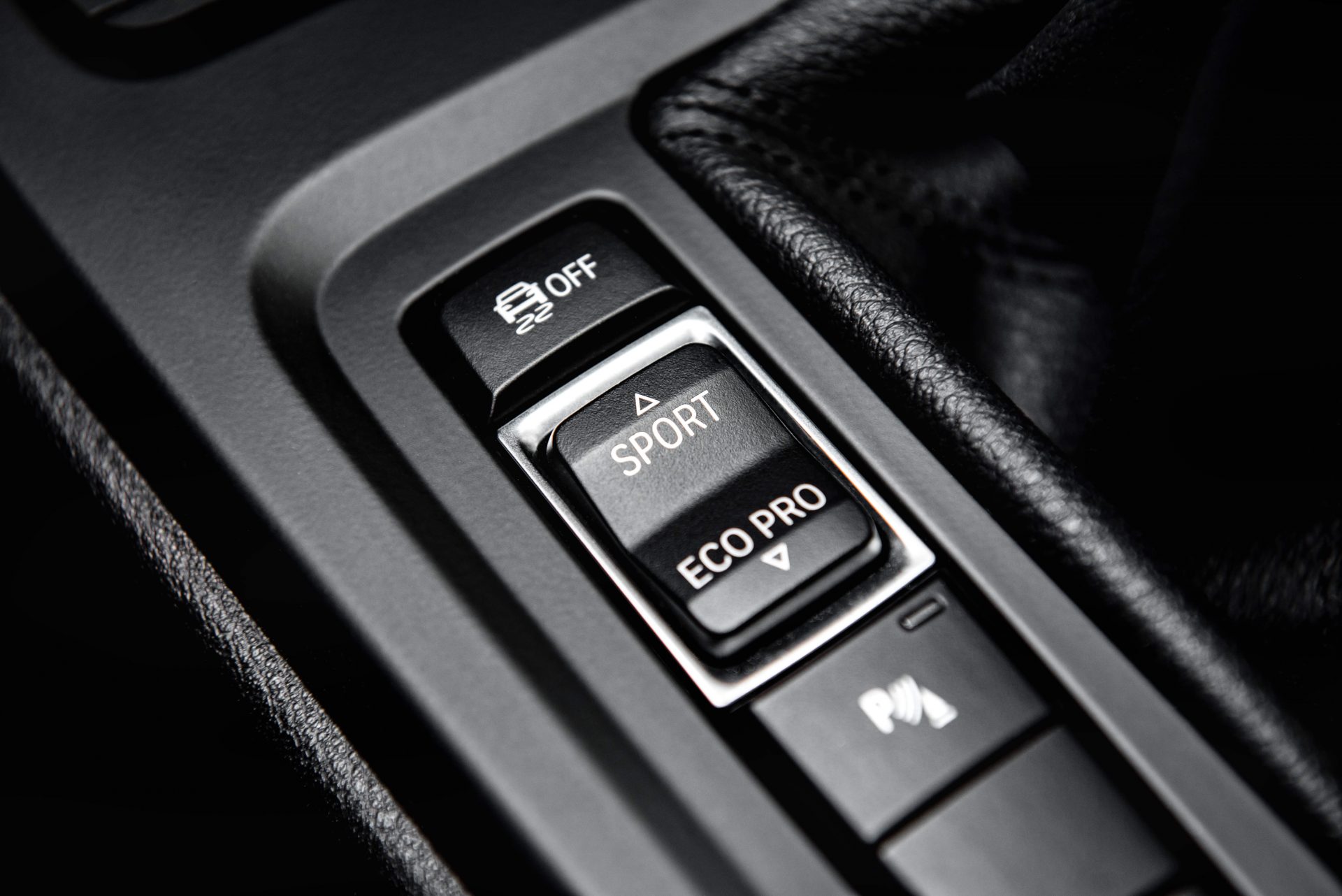
These days, when purchasing a new vehicle, chances are it will come equipped with multiple drive modes. If you’re familiar with this feature, then you already know how it offers drivers the chance to tailor their experience – whether it’s an off-road adventure or a fuel-efficient highway trips.
Use eTags© to Quickly Complete Your DMV Service. Renewals, Title Transfers and More, All Online!
If, however, you’re new to the world of drive modes, it’s a great idea to learn about them, as understanding when and how to use these options can enhance your driving experience.
What are drive modes?
A drive mode is a setting in a vehicle (chosen by the driver) that adjusts certain elements of the car in order to achieve a particular performance. Say what?? Okay, let’s break it down. Drive modes like “Eco,” “Sport,” “Comfort,” and others affect things like the engine response, transmission behavior, and sometimes even suspension settings, thus allowing drivers to optimize their vehicle for specific scenarios.
What is a good example of a drive mode and its affects?
Say you were behind the wheel of a Hyundai Palisade. This vehicle offers “Smart,” “Sport,” “Eco,” “Comfort,” and “Snow” modes which are initiated via a simple switch. Once enabled by the driver, each mode can be beneficial under different conditions. Here are some examples:
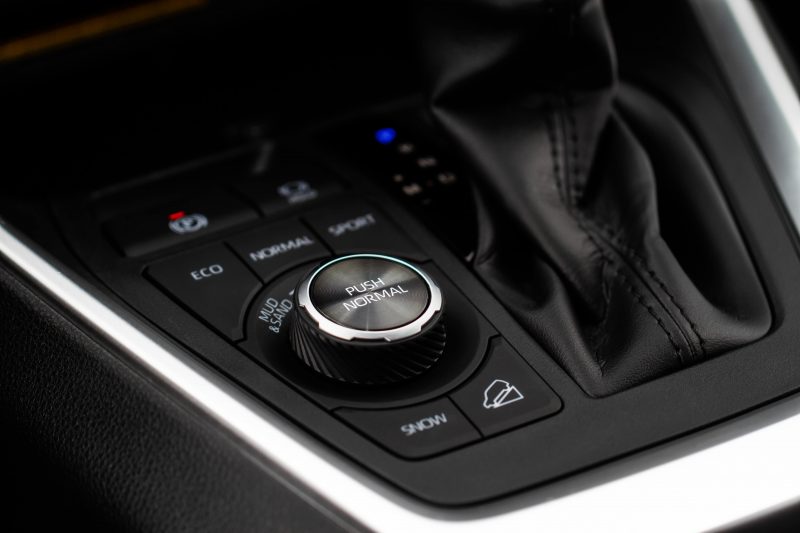
- Smart Mode: This is where the car studies your driving tendencies and selects the mode that best suits your particular style
- Comfort Mode: Ideal for everyday driving, providing balanced settings and a smooth ride.
- Eco Mode: A good choice for highway driving, it enhances fuel efficiency by reducing engine revs when coasting and adjusting throttle sensitivity. Thus significantly improve mileage, particularly on long journeys.
- Sport Mode: This one is best for curving roads and dynamic driving; it sharpens throttle response and adjusts shift points to provide a more engaged experience.
- Snow Mode: That provides extra traction in slippery or wet driving conditions
To put this into practical terms, if you were driving from the Hudson Valley to the Adirondacks, you begin with the “Comfort” mode on regular roads, switching to “EcoPro” for the highways to save fuel, and then enjoy “Sport” on winding mountain roads.
How do I know which drive mode to choose?
Choosing the right drive mode is dependent on a few factors. These include:
- Road Conditions: For city driving where you are apt to press on the break more often, “Eco” or “Comfort” modes might be more appropriate. “Sport” mode, on the other hand, works best with open roads or spirited driving.
- Driving Goals: If you’re looking to maximize fuel efficiency, “Eco” modes can be helpful, whereas if you’re going for a sporty feel, particularly on backroads, “Sport” mode will offer enhanced responsiveness.
- Passenger Comfort: When traveling loved ones, more relaxed modes like “Comfort” helps soften abrupt movements, making for a smoother ride.
Do I need to use drive modes if my car has them?
Lots of folks aren’t even aware that these options exist in their car. Or, if they do, they often don’t bother exploring them, preferring instead to stick with whatever the default setting is. And that’s okay. But if you’re one of these people, this is what you could be missing by ignoring your drive modes:
- Savings: Regularly switching to “Eco” mode during everyday driving can lead to noticeable fuel savings without much of a decline in performance.
- Enhanced Driving Fun: Popping into to “Sport” mode can reanimate routes that have become mundane, making the journey more engaging without compromising stability.
So, while drive modes aren’t necessary for a nice, safe ride, they can offer a versatile, fun, and economic approach to driving. Will you try yours today?




1 comment
Should offer info as to which car models are addressed by various modes.