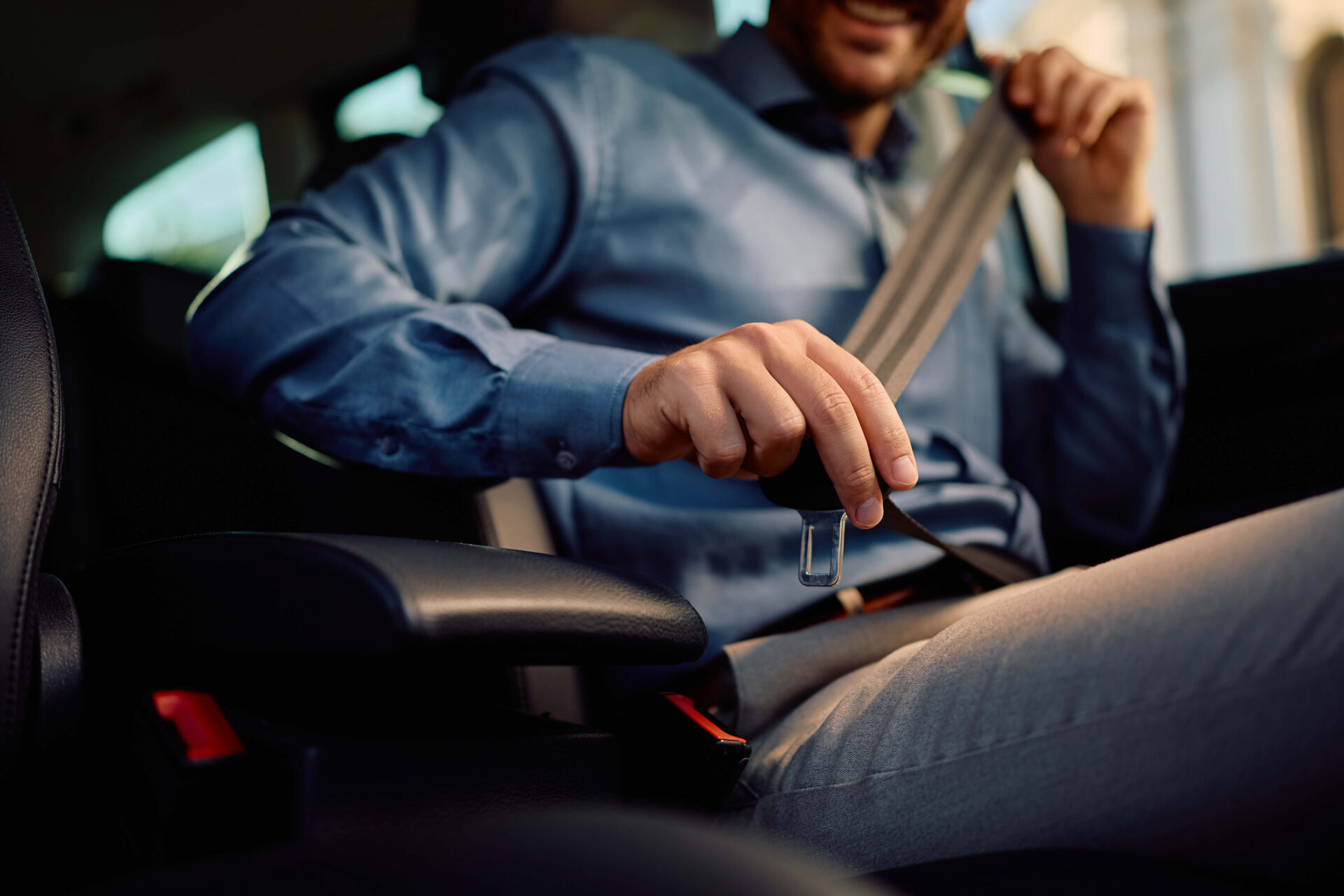
Seatbelts are one of the absolute most important factors when it comes to driving and road safety. Whether you’re doing your daily commute, getting errands done, or embarking on a cross-country road trip, wearing your seatbelt is the easiest and most effective way to stay protected. Understanding the significance of proper seatbelt usage—and making it second nature—can help vastly lower the chances of serious or even fatal car injuries. So here at eTags, we thought we’d compile a handy guide to learning about seatbelt safety.
Use eTags© to Quickly Complete Your DMV Service. Renewals, Title Transfers and More, All Online!
Seatbelt Safety: Why it’s So Important
Proper seatbelt wearing is essential, as it holds your body in a more secure position in the event of a collision. In the case of an accident, momentum will cause a human body to continue moving at the vehicle’s speed…until it comes up against something to stop it. Unfortunately, without a seatbelt, this can end up being the dashboard, windshield, or even the road. Seatbelts help stop this process by securing a body to the seat, thereby keeping movement to a minimum and decreasing the likelihood of serious injury.
In fact, research shows that wearing a seatbelt cuts the risk of fatal injury for front-seat passengers by up to 45% while also reducing the risk of moderate to serious injury by 50%. With numbers like these, it’s clear that seatbelt safety is a priority, regardless of how quick the ride may be.
How Seatbelts Work to Protect You
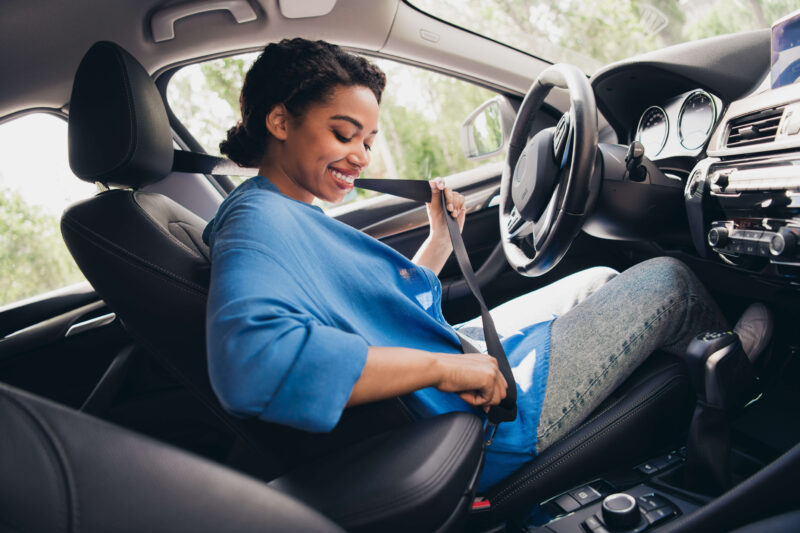
Seatbelts are made to allocate the force of a crash over the more robust parts of your body- this includes the chest, shoulders, and hips. With impact largely moving to these stronger parts, more vulnerable areas such as the head and neck remain protected. Wearing a seatbelt properly also prevents a body from being ejected from a vehicle, which, sadly, is one of the most common culprits of fatalities in car accidents.
Think low speeds mean you can skip the seatbelt? Please think again. Lack of seatbelt usage can result in real bodily harm even whilst driving slowly. Also, without the necessary restraint of a seatbelt, airbags are not able to provide full protection. And in some cases, can even cause injury if deployed when a seatbelt is not in use.
Families and Kids: Specific Seatbelt Safety
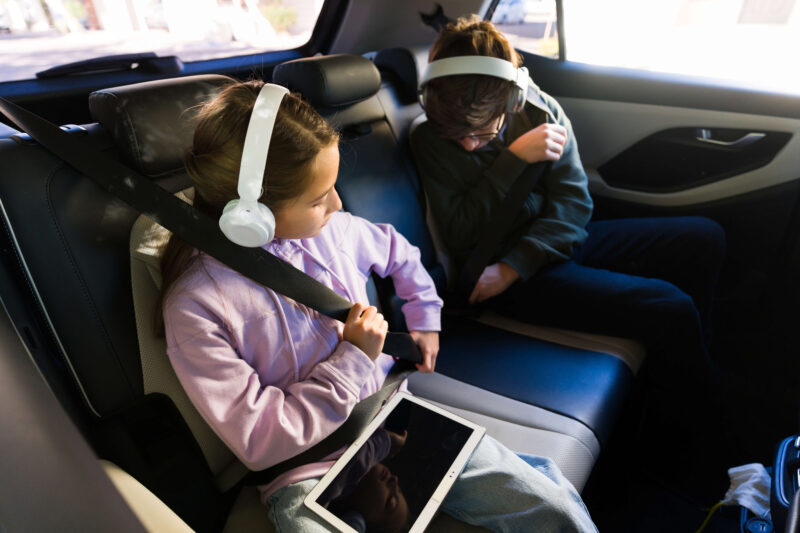
When it comes to children, seatbelt safety is particularly important. Little passengers need well-fitting car seats or booster seats that correspond with their age, height, and weight. And as the little ones get bigger, graduating to a seatbelt is something that must be addressed with care. This means making sure the belt sits correctly across the chest and hips, specifically avoiding the neck or stomach.
And don’t underestimate the importance of modeling. When adults regularly demonstrate the habit of buckling up, their kids are far much more apt to adopt this positive behavior. This habit alone, when started early, can translate to a lifetime of safer driving practices.
Buckle Up: It’s the Law
Almost all states require seatbelt usage as a matter of law. And in case you didn’t feel like strapping in, know that you’re likely to face fines, penalties, and increased insurance fees if you’re caught riding without a seatbelt. That said, the true risk of sidestepping seatbelt vigilance is, of course, the physical danger, which we all want to avoid. As the saying goes: Seatbelts save lives.
Modern Technology and Seatbelts
Here’s something important to remember: while today’s advanced safety features in cars – like airbags, collision warning systems, and automatic braking – improve general safety, they are not meant to work alone. Meaning, these helpful elements are designed to work with seatbelts…. not to replace them in any way. As such, failing to wear a seatbelt can decrease the efficacy of these components.
Common Mistakes to Avoid with Seatbelts
Wearing your seatbelt correctly helps to maximize safety and minimize risk. Here are the top tips for how to use a seatbelt efficiently:
- Make sure the lap belt rests snugly over your hips, not your stomach
- See that the shoulder belt crosses the center of your chest and shoulder
- Avoid placing the shoulder strap behind your back or under your arm
- Check to be sure the seatbelt is properly clicked in and not twisted
Final Thoughts: Make Seatbelt Safety Second Nature
For an easy action that takes only a few seconds, seatbelt safety can mean saving a life. From minimizing injuries – both small and fatal – the upside of wearing a seatbelt is undeniable. Regardless of where you’re driving or how far you are traveling, remember to buckle up before heading out.
When that seatbelt click becomes second nature, you’re not only protecting your own life, but also helping to make safer roads overall.