Managing the winter season when you have an electric vehicle (EV) means having a strong understanding of how the cold weather can affect several factors: battery performance, charging, and driving safety. Being prepared to navigate these elements can help transform an otherwise intimidating period into just another winter where you’ve come ready to drive. So let’s explore a few of these essentials, shall we:
Use eTags© to Quickly Complete Your DMV Service. Renewals, Title Transfers and More, All Online!
Range Drops
When temperatures drop to freezing and below, lithium-ion batteries experience an increased internal resistance, which is followed by both reduced efficiency and a marked drop in range. Driving on highways and in windy conditions can exacerbate this problem even further. That said, thermal management systems – meaning, battery heaters and heat pumps – help maintain and replace some efficiency by warming the battery cells, making EVs more reliable in cold weather.
Charging in the Cold
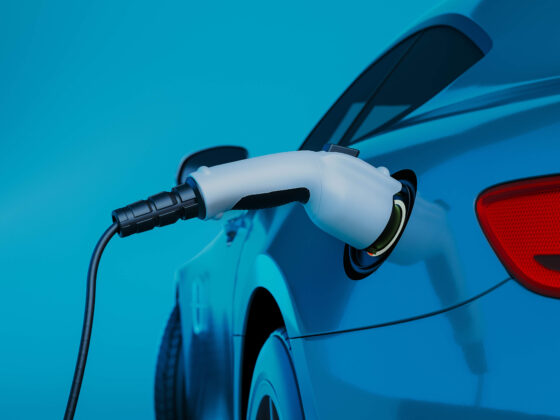
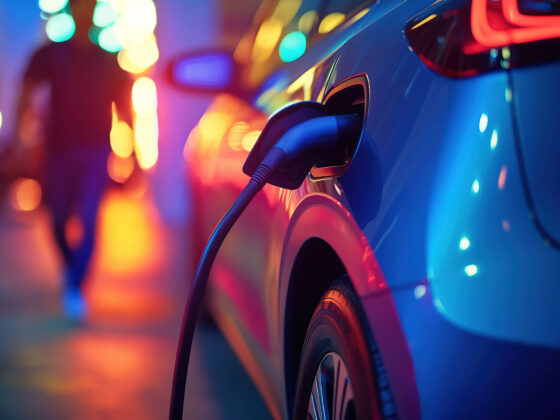
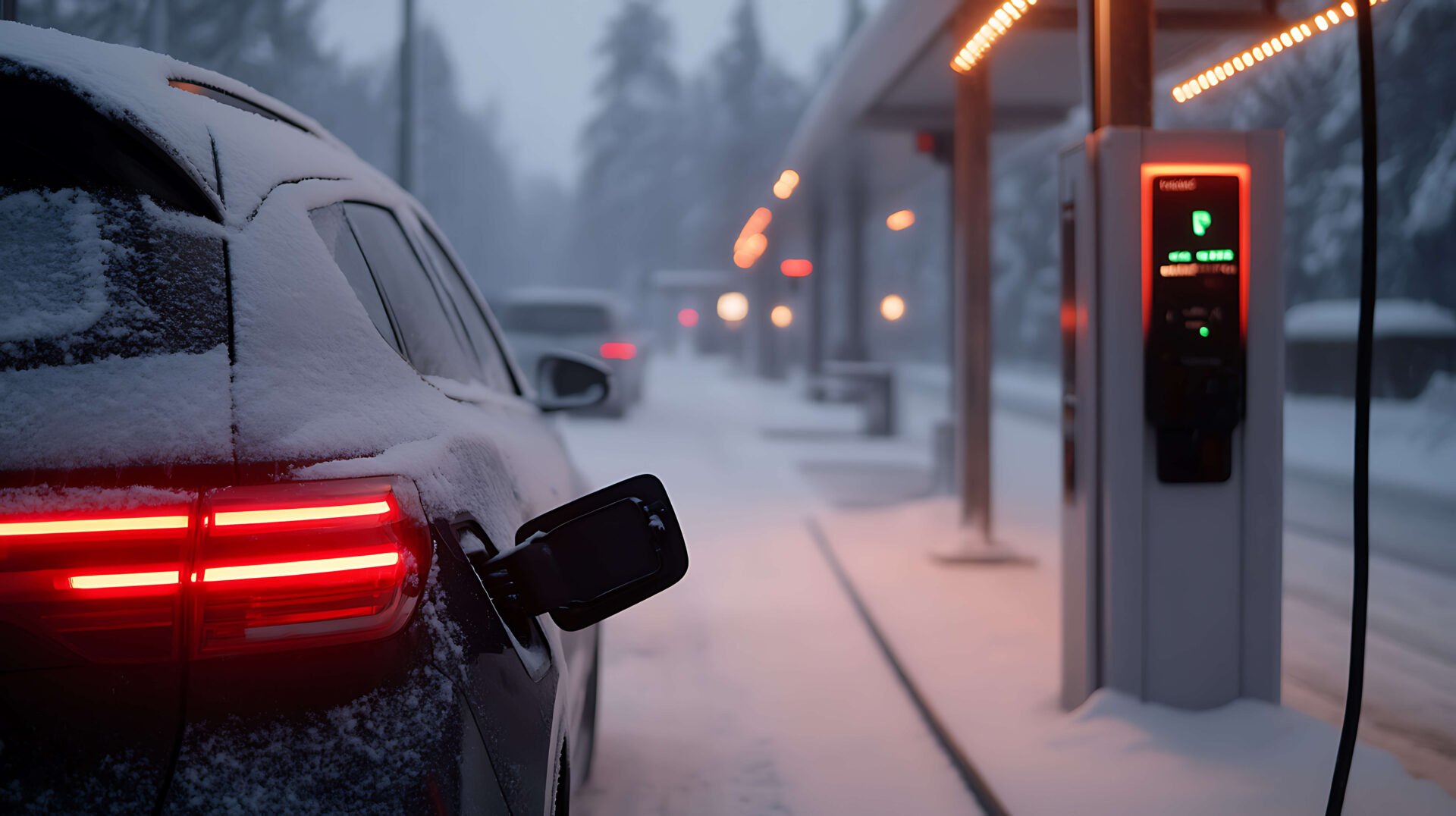
Giving juice to your EV’s battery in winter means a bit more thinking ahead. Cold batteries have a limit as to how much power they are able to safely receive, which slows down the charging process. There is also the consideration of snow-covered charging stations and iced-over connectors to keep in mind. Of course, remember that preconditioning the battery before charging can greatly improve charging speeds, while choosing covered or indoor charging stations can help shield from the elements and make for more a more stable charging process.
Winter Driving
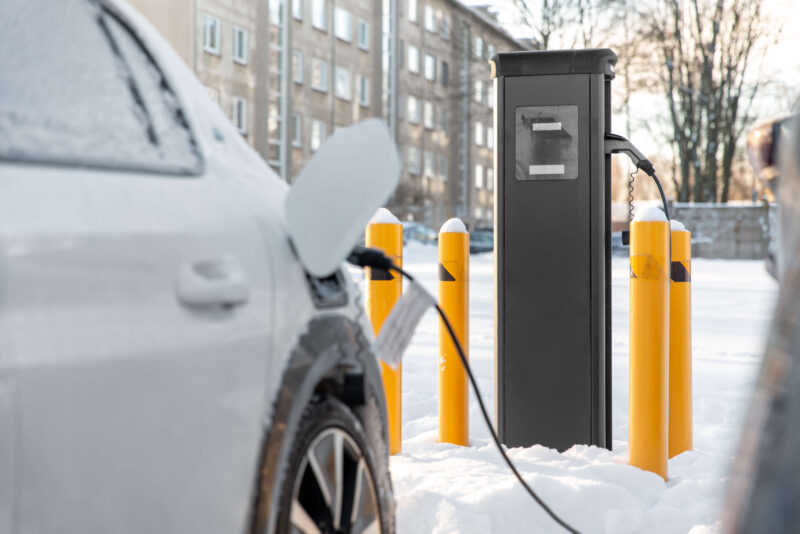
It may come as a surprise to new EV drivers just how much their vehicle is able to maintain control on icy roads. This is due to the EV’s heavy battery placement, as it lowers the car’s center of gravity, thereby increasing handling and stability. And if you have an all-wheel-drive system, you’ll likely get good torque distribution and great traction. It’s always good to opt for winter tires, of course, if you’re looking for quick and efficient braking and steering on slippery surfaces. Most EVs these days will have snow and traction modes available to accommodate blustery driving conditions.
Preparation
Being ready is a must when it comes to successful winter EV driving. Some tasks to put on your cold weather EV checklist are:;
- Precondition the battery
- Checking tire pressure
- Use weather-appropriate tires
- Plan charging stops
- Allow for extra time for travel
- Stay updated with software improvements
- Use winter-specific driving modes
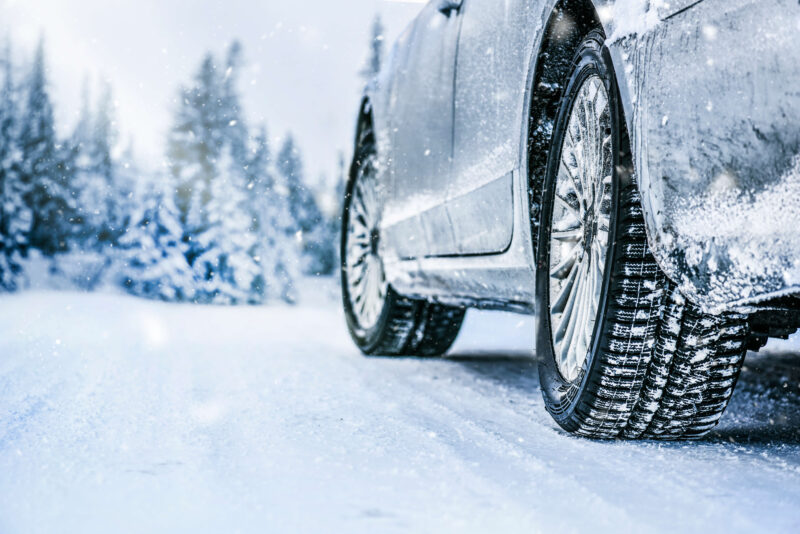
If you’ve gone through all of the above, chances are, you’re in good shape to drive your EV through the winter season. Shifting habits, planning a bit, and making good use of the tools at your disposal can allow you to approach inclement weather driving and reduced ranges with ease and confidence. The right choice of tires, smart charging station selection, and appropriate driving mode can significantly impact your driving experience in winter.
Stay alert, stay prepared, and stay safe, friends!