Unless you’re living off grid (or quite literally, under a rock) you’ll have seen a significant shift in the automotive industry of late, especially in the rise of electric vehicles (EVs). One of the seldom-discussed yet fascinating aspects of this evolution involves the design and functionality of car door handles. Not convinced that this topic bears attention? Well, remember the first time you tried to open the door of a Tesla…and couldn’t? Yes, that’s what we mean!
Use eTags© to Quickly Complete Your DMV Service. Renewals, Title Transfers and More, All Online!
The focus recently has been on aesthetics and practicality, with both elements driving the changes in the design of door handles. Indeed, manufacturers are set on improving function, looks, and aerodynamics while obviously ensuring safety. Shall we explore? Let’s get into some door handle evolution and the implications it holds for the future.
Aesthetics
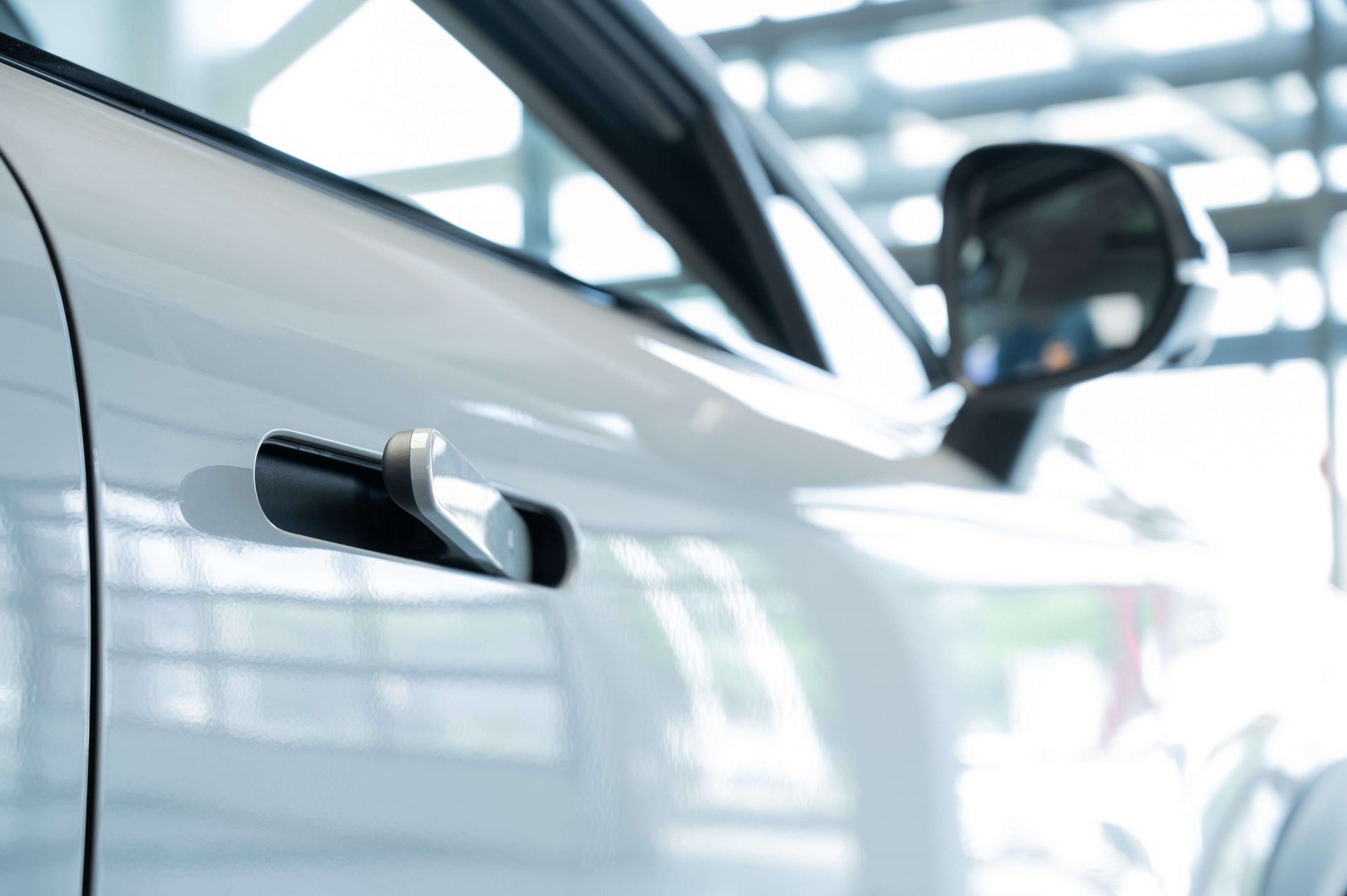
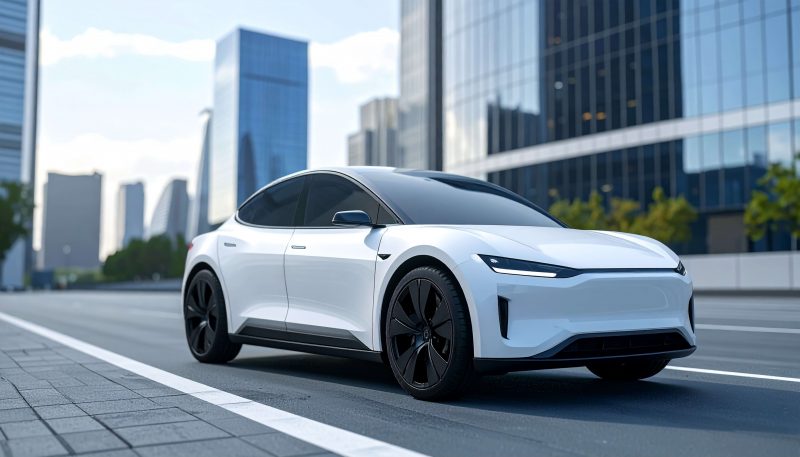
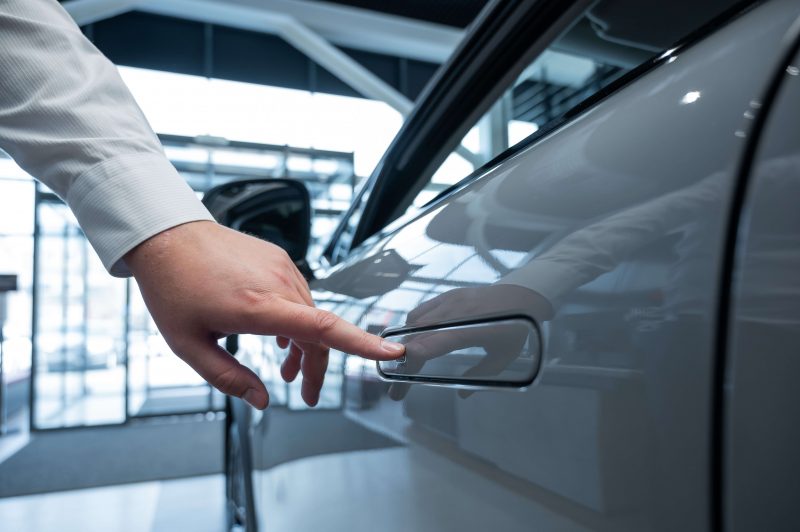
There are several contemporary electric cars on the market that feature handles that are flush with the door. This design choice contributes to two aspects: the vehicle’s aerodynamic efficiency as well as its overall aesthetic appeal. In avoiding any objects that might protrude from the vehicle’s exterior, auto makers are able to keep the lines smooth on the car’s surface – a key selling point for any folks out there on the hunt for a ride with a futuristic look.
Aerodynamics
In addition to just looking cool, manufacturers say that flush door handles help reduce air drag. This is particularly advantageous for EVs, as they are consistently aiming to extend their driving range range. Simply put, any refinement in aerodynamics directly contributes to better energy efficiency, which then allows the vehicle to travel further on a single charge. While the improvement in drag reduction might initially appear negligible on its own, the real difference can be observed when combined with other aerodynamic features.
Safety
Of course, as with any feature on a moving vehicle, there are safety concerns associated with these modern designs. One major point of contention regarding flush door handles is the fact that they rely on electricity – as opposed to manual operation – for the doors to open and shut. For instance, Tesla’s choice to use IP-based electronic controls rather than conventional door locks caused a bit of a stir. This limitation means that if a vehicle loses power, the functionality of the door handles can be compromised, which obviously could pose a potential safety risk. And while front seat drivers and passengers generally have access to a physical latch for opening the door from the inside, the same access was not initially the case for rear seat passengers in some models.
Concerns
Vehicle manufacturers are aware of these issues and have started addressing any safety concerns by adding emergency release mechanisms in newer models. These features are made to ensure that passengers can safely exit the vehicle in the event of an electronic failure. That said, the effectiveness of these manual releases have yet to be proven 100% efficient; they depend on passenger awareness and access. Meaning, they are not a given, and manufacturers bear the responsibility of fully informing vehicle users about these features.
Looking Ahead
Like all things in the automotive world, it’s highly probably that door handle design will continue to change and evolve. Innovations down the line are likely to include even more integration of smart technologies – such as biometric sensors. Fingerprint entry could potentially enhance both security and convenience while maintaining safety standards, manufacturers say. The challenge, however, will be in developing reliable door handle systems that can function seamlessly despite a range of conditions and scenarios.
So while door handles may seem like a small detail, they are, in fact, a microcosm of the ever-developing modern aspects of the motor vehicle industry. And we, of course, are curious to see where it all goes…