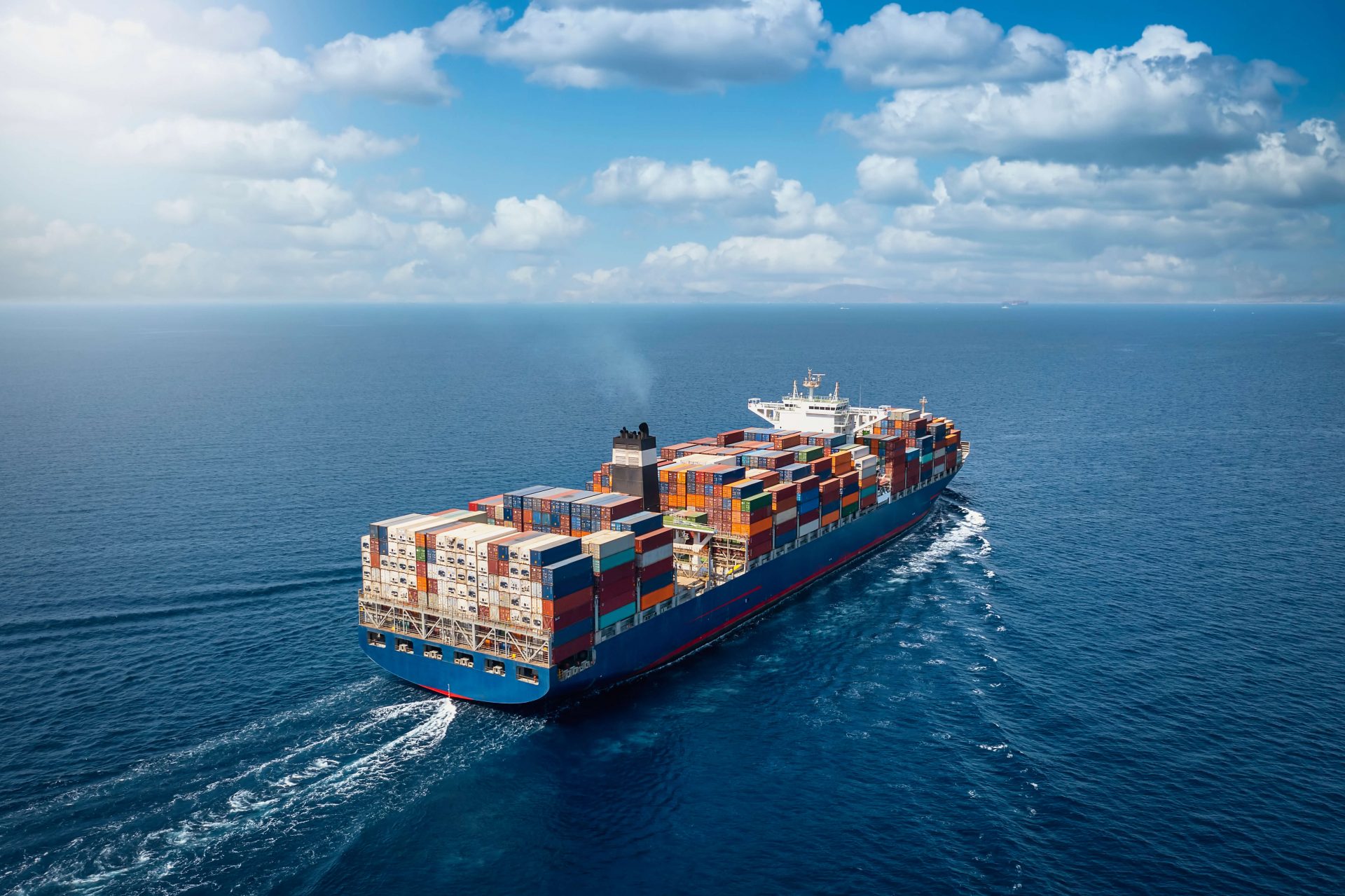
In spite of the ever-growing popularity of EV’s in the United States, Matson, a leading cargo shipping company, has temporarily paused the carrying of electric vehicles and plug-in hybrids (PHEVs) on its routes. Why, you might ask? Well, this decision is the result of growing concerns over the risk of fire known to result from lithium-ion batteries. The routes affected by this pause are currently those between the U.S. mainland, Hawaii, Guam, and Alaska.
Use eTags© to Quickly Complete Your DMV Service. Renewals, Title Transfers and More, All Online!
Let’s get into the logic behind this action.
What inspired this temporary ban on the shipment of EVs?
Matson’s decision to halt the shipping of EVs comes after several occurrences involving shipping fires, specifically the loss of the “Morning Midas” in June 2025. After a several week battle with fires that could not ultimately be put out, the cargo ship sank off the coast of Alaska. While thankfully all the crew was evacuated safely, over 3,000 vehicles and the ship itself were lost. And although experts have not pinpointed the actual source of the fires, it seems clear that they began in the area holding the electric and hybrid vehicles.
This highly unfortunate event highlights the difficulty of extinguishing battery-related fires at sea. Matson shared its decision to pause EV shipping through internal emails, citing an issue with thermal runaway in EV batteries—a condition that can lead to extreme heat and recurrent fires. 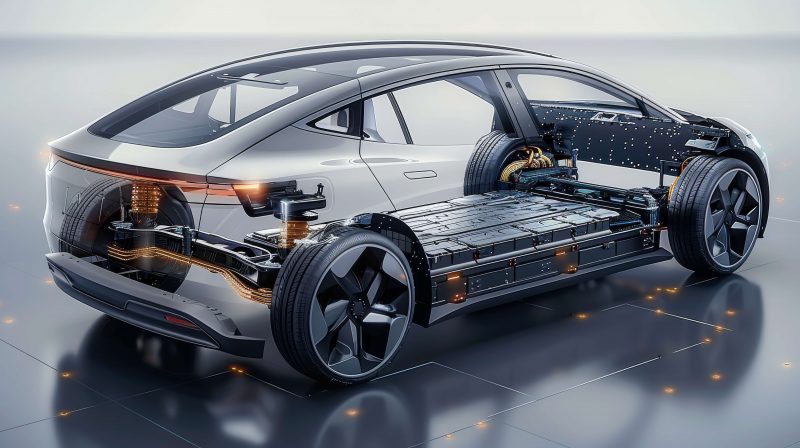
What are the fire risks?
Statistically, EVs are no more prone to fires than traditional gasoline vehicles. However, in the case that an EV does ignite, the nature of that fire is measurably more intense. When a lithium-ion battery fails, it can emit toxic gases and even reignite after being put out. Another clear and tragic example of the dangers of shipping lithium-ion batteries is the “Fremantle Highway” fire in 2023, which disastrously resulted in the loss of one human life and over 3,000 vehicles, nearly 500 of which were EVs.
How to balance growth in EV sales with Maritime Safety?
In an untimely parallel, the announcement to pause the shipment of EVs comes at a moment where EV sales are surging in the U.S. In fact, around 607,000 EVs were sold in the States so far this year (2025). So this begs the question: how do we maintain sales while also working to protect human lives, the environment (the oceans), and prevent such massive losses on behalf of the vehicle manufacturers and shipping companies?
The answer lies in the further development of these batteries and their ability to be shipped safely.

In light of the current risks, Matson has declared that its ships will not resume EV or hybrid transports until “suitable industry-wide carriage and stowage protocols” are developed. In addition to the EV manufacturers, governing bodies such as the International Maritime Organization (IMO) are now charged with the responsibility of developing safer batteries and finding safer transport standards.
So while this pause on EV shipment may put a strain on vehicle dealerships and manufacturers, it will hopefully pave the way for stricter. more effective safety procedures and fire prevention at sea, ensuring that the maritime industry can indeed handle the increasing popularity of EVs.