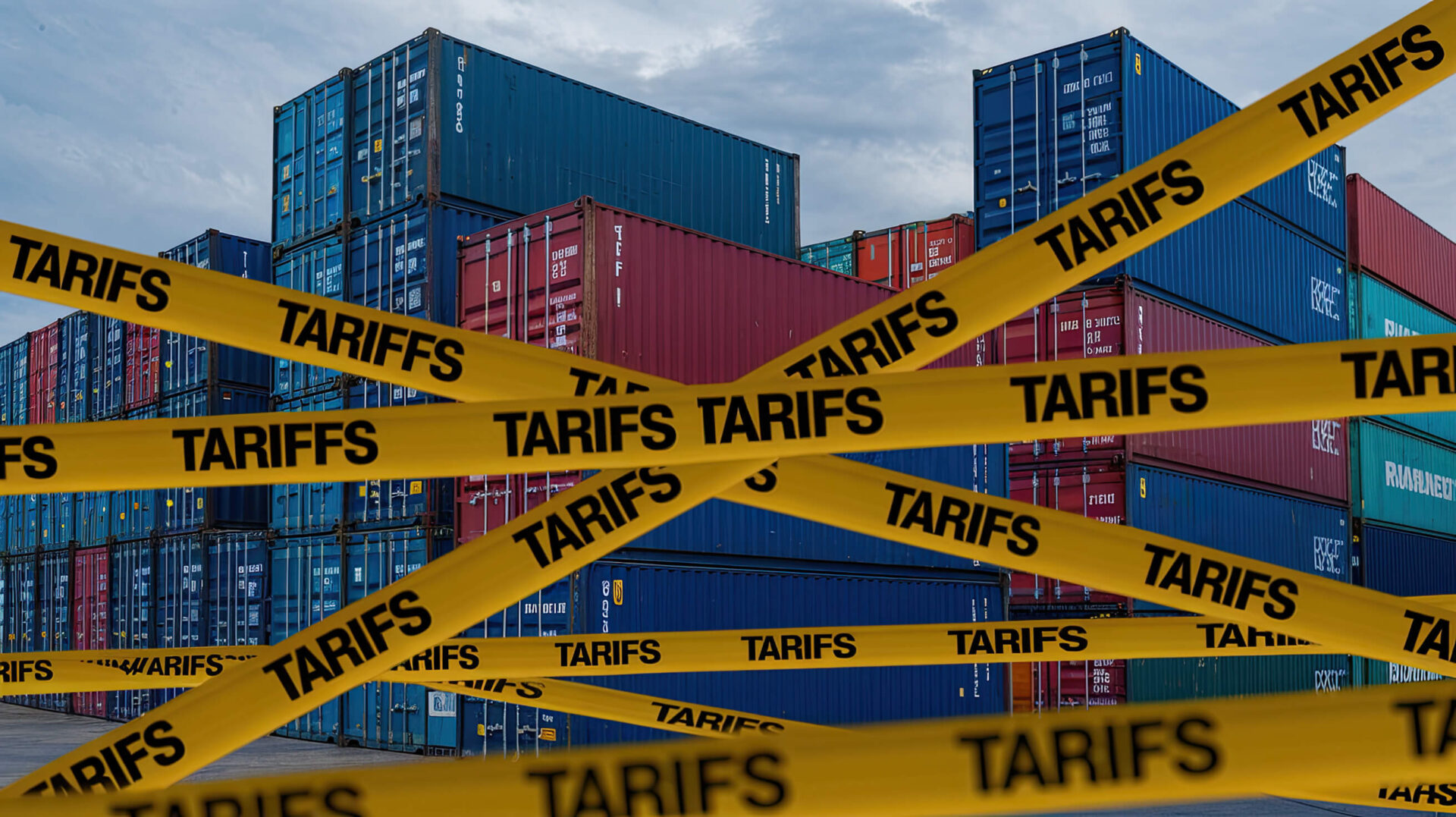
What’s going on with those tariffs, you’re wondering? Well, we weren’t going to leave the subject for too long before giving you an update. With a bit of time now passed between the implementation and consequential results of these increased import taxes, we now have a better overall picture. In this article we’ll move through some key points, reviewing certain developments, and painting a picture of how the Trump tariffs have impacted the automotive industry.
Use eTags© to Quickly Complete Your DMV Service. Renewals, Title Transfers and More, All Online!
1. Partial Tariff Rollback
Last month, the U.S. Supreme Court put a 6-3 kibosh on Trump’s International Emergency Economic Powers Act tariff increase, citing that this hike was unconstitutional, as he did not ask for or receive approval from congress. This means that the reciprocal tariffs and taxes imposed on imports from Canada, Mexico, and China have been rolled back. However, for the auto industry, many of the tariffs are still in effect for car parts like aluminum, copper, and steel.
So, while the rescinding of the of the general tariff may provide some relief to manufacturers with supplies coming from Asia, it seems a drop in vehicle costs is probably not immediately on the horizon.

2. Offset Relief
The government stretched out its programs aimed at assisting automakers with the 25% tariff until 2030. To qualify for the reduction in costs, manufacturers have to prove that their vehicles are assembled in the U.S., based on White House requirements.
3. The Cost
Whatever ruling and rollback and incentives have been issued, it remains that these import taxes have cost automakers a whopping $35 billion. Yes, billion. And at the top of that expenditure is Toyota, who shelled out a hefty $9.1 billion as a result of the tariffs. With expenses for many companies hitting the billions, there has been talk on the part of several automakers of building vehicles stateside: a move that comes at no small cost in and of itself. So far, though, manufacturers have borne the extra price of importing…a feat that is likely unsustainable for them or for the consumer.
4. USMCA Review
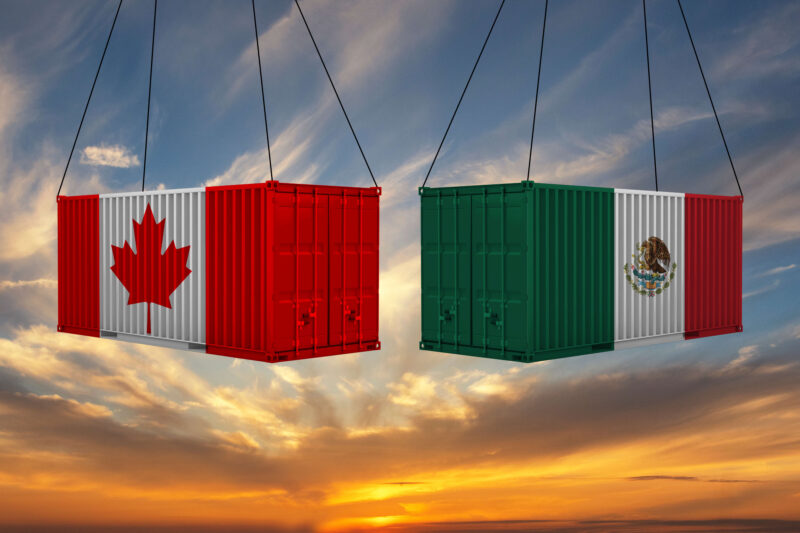
This three-country agreement established in 2020 is up for review starting this month. Unsurprisingly, a large focus of these discussions is expected to revolve around the automotive sector. Canada, Mexico, and the United States will formally revisit and examine the trade agreement and determine whether the current standards are beneficial and effective for all parties. Negotiations could lead to minor changes or a complete reworking of the accord. But undoubtedly the subject of tariffs will be addressed, and this could prove impactful for the automotive industry.
5. Current Rates
As of today, the tariff rates are as follows:
- Vehicles from the EU, Japan, and South Korea are subject to a 15% tariff
- Vehicles from Mexico and Canada face a 25% tariff on non-U.S. content
- Electric vehicles from China are up against a 100% tariff
6. The Latest
While the Supreme Court ruling may be promising in terms of relief for the auto industry, the Trump administration immediately issued a sweeping 10% tariff on all U.S. trading countries following the determination. So, as it goes, we’re going to watch this space closely and keep you informed on how this tariff story continues to unfold.
And of course, for all your title and tag needs (on that imported OR domestic car), head on over to eTags.com and let us assist you with transfers, renewals, replacements, specialty plates, and more. Because as always, at eTags, we’re here to help!