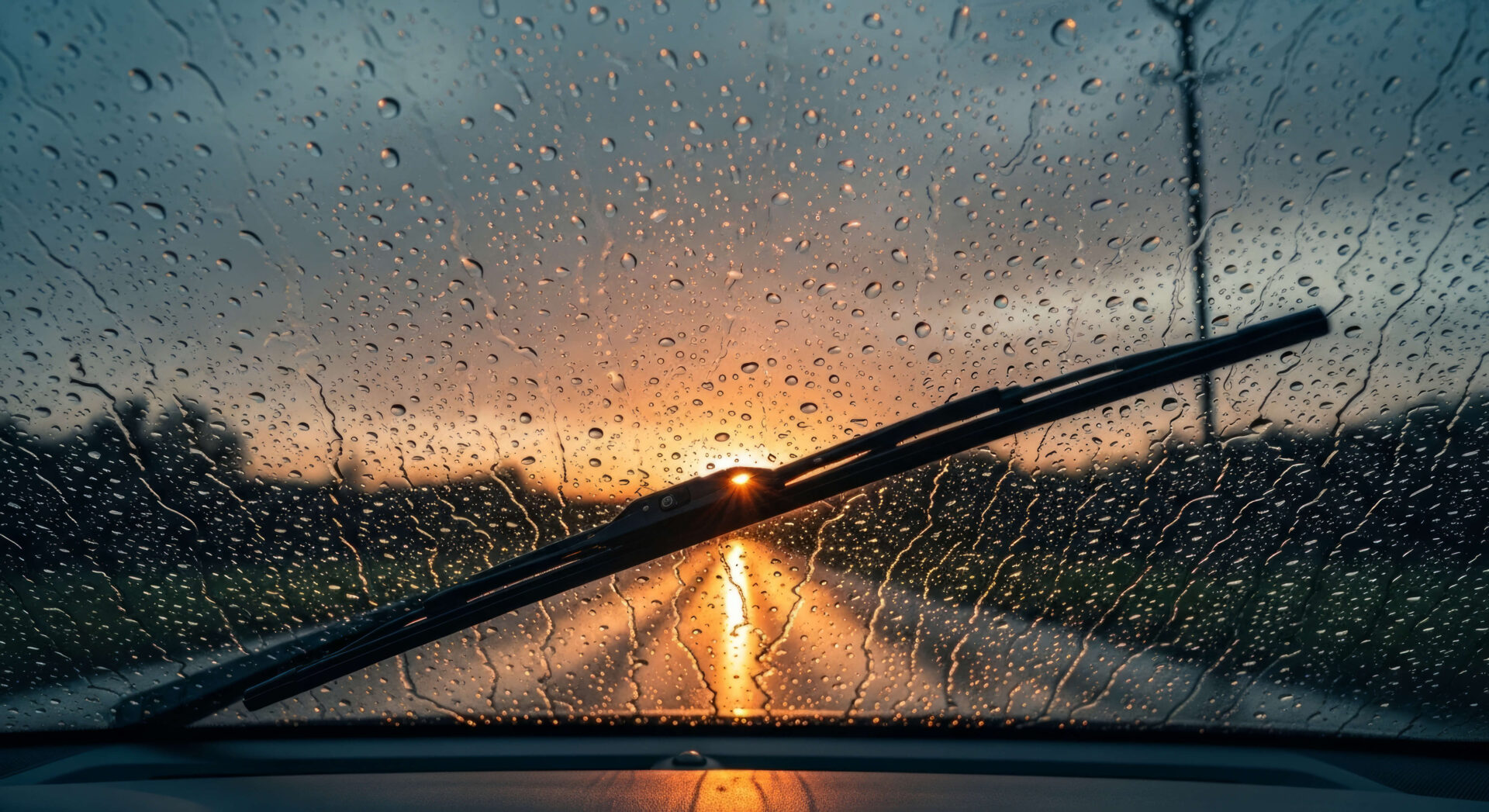
Windshield wipers are one of the most crucial features when it comes to safety on your vehicle, yet their importance can often be overlooked. Here at eTags, we know that it’s common for car owners to hold out on changing blades until their wipers are squeaking, streaking, or close to not working before replacing them. But common practice doesn’t always mean safe practice; changing your windshield wipers on a regular basis can help maintain visibility, contribute to safety, and help avoid windshield damage.
Use eTags© to Quickly Complete Your DMV Service. Renewals, Title Transfers and More, All Online!
In this article, we’ll explain why changing your windshield wipers regularly is key and how you can stay on top of wiper maintenance.
Why You Should Change Your Windshield Wipers Regularly
Visibility Equals Safer Driving
Windshield wipers are the tools that allow for a clear view of the road during challenging conditions. Some examples are:
- Rain and thunderstorms
- Winter snow and ice
- Dust and dirt
- Mud
- Road debris from other vehicles
Wipers that have seen better days – from wear or age – can leave streaks and miss clearing spots on the glass, which makes it difficult to see clearly. Decreased visibility is connected to higher risk of accidents, particularly during inclement weather or driving at night.
Changing your wipers regularly means:
- Clearer visibility in all weather conditions
- Quicker cleaning of rain and debris
- Safer driving for everyone
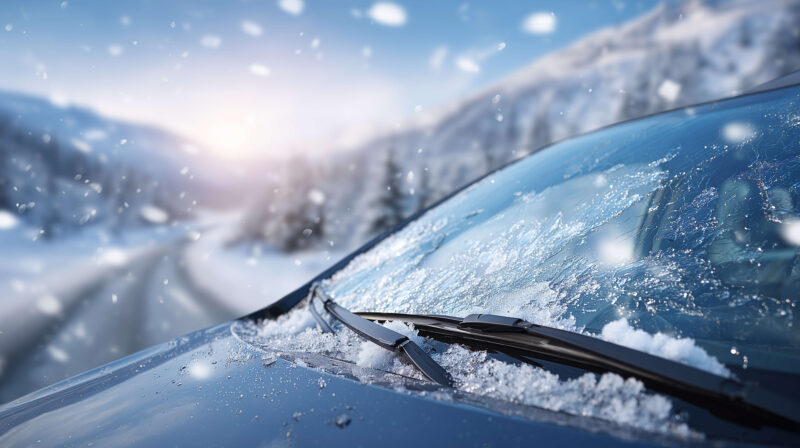
Windshield Wipers Expire Sooner Than You Expect
Many vehicle owners are surprised to discover that windshield wipers are best replaced every 6 to 12 months. It may not be obvious, but the rubber blades will generally start to break down with exposure to:
- UV rays
- High heat
- Freezing temperatures
- Ice and snow
- Dirt and road grime
In time, the rubber deteriorates, and the blades can crack, becoming brittle or uneven. This, in turn, can cause skipping, squeaking, and streaking across the windshield.
Note: if your wipers are making noise or not clearing all the water, it’s a direct sign that they need replacing.
Damaged Wipers Can Cause Scratches
More than just failing to remove water, dirt, and debris, worn windshield wipers can actually lead to damage of the glass. Without a healthy rubber blade, the exposed metal or hard plastic parts contacting the glass can scrape the windshield surface.
These scrapes often lead to:
- Permanent scratches
- Poor visibility
- Costly windshield repairs
Getting a new set of windshield wipers is, by far, a much more economic – and safer choice – than replacing or repairing a damaged windshield.

Seasonal Impact on Wiper Performance
Each season – in its extreme – places a different stress on windshield wipers.
Winter
Ice and snow can lead to the rubber blades cracking or tearing. Frozen wipers are often prone to sticking to the windshield, causing damage the blade edges.
Summer
High heat and long exposure to sunlight in summertime can dry out the rubber, leading to less flexibility and effectiveness.
Replacing your wipers at the start of winter and after summer is a smart way to make sure they are at peak performance year-round.
Signs That it’s Time for New Windshield Wipers
Look out for these common warning signs:
- Streaking
- Squeaking or chattering noises
- Skipping while operating
- Cracked or split rubber blades
- Low performance during rain
If any of these issues pop up, it’s time to get new wipers!
Final Thoughts
Replace your windshield wipers regularly: it’s a simple and cost-effective way to improve driving safety. New wiper blades mean better visibility, less the risk of accidents, and can help protect your windshield from damage. Swapping out your windshield wipers every 6 to 12 months, makes for more confident driving in any weather condition and keeps your vehicle safer on the road.